RSS

Do Golf Simulators Add Value to your Calgary home?

Perceived Value + Appeal

  • In higher-end homes or with golf-enthusiast buyers, a well-designed, integrated simulator can boost perceived home value, often quoted by real estate and design sources at $30,000–$75,000+ in added perceived value when done well. At a cost from $30,000 - $175,000. DIY cost for less than $5,000.

  • They make your home stand out from competition, especially in markets where buyers are looking for unique lifestyle amenities.

Not a Guaranteed Price Increase

  • Unlike traditional upgrades (e.g., kitchens or baths), a simulator won’t automatically raise the official appraised value or increase resale price dollar-for-dollar for all buyers.

  • Some buyers may view a dedicated golf room as niche or too specialized, potentially narrowing the buyer pool rather than broadening it.


When a Simulator Does Add Value

If it is professionally integrated into the home

  • The simulator room looks like part of the home’s architectural design, not an afterthought.

  • Ceiling height, lighting, ventilation, and finishes match the home’s style.

  • The home has the extra room for it.

If the simulator serves multiple functions

  • Bonus room, media space, fitness room, or entertainment space (not just golf).

  • This versatility appeals to a broader range of buyers.

In mid+/luxury price segments

  • Buyers at higher price points often expect extra lifestyle features (home gyms, theaters, etc.).


When It Might Not Add Value

Niche appeal

  • Some buyers may not care about golf or prefer open, flexible floor plans rather than a dedicated simulator room.

Poor execution

  • A cheap projector hanging from a basement beam looks like a hobby setup, not a value-adding renovation.

  • A simulator smack in the middle of the home.

  • Low ceilings, cluttered spaces, or box-like rooms make it feel like a useful but disposable feature.


How Realtors Think About It

Real estate professionals generally see golf simulators similarly to:

  • Home theaters

  • Wine cellars

  • Home gyms

These are features that enhance lifestyle appeal and can make your home more attractive — especially to certain buyers — but they don’t have consistent, measurable ROI like kitchens or bathrooms.


Summary: Value Drivers in Calgary

FactorValue Impact
Custom interior design & finishes👍 High
Multi-purpose room (not just golf)👍 High
Luxury market segment👍 Moderate–High
Niche buyers (golf fans)👍 Moderate
Basic / DIY setup👎 Low–None

Bottom line:
A golf simulator can increase perceived value and buyer interest in higher-value Calgary homes but it’s not a guaranteed resale price booster on its own. It works best when integrated as part of a high-quality, multi-purpose lifestyle space that broadens buyer appeal rather than restricting it.


Tips to Maximize Value If You’re Installing One

✔️ Choose a dedicated, finished space (e.g., basement or bonus room)
✔️ Ensure good ceiling height, quality equipment and lighting, design matters for resale appeal.
✔️ Combine it with other features (media area, gym, lounge)
✔️ Keep it visually cohesive with the rest of the home rather than a stark add-on.


If you are curious about a DIY golf simulator set up, I have opinions I’d love to swing by and let you know what I think. 

Read

Outdoor Skating Calgary

The city of Calgary has several skating locations that are nicely maintained for leisure skating. 2020 brought two skating trails as a trial, and they have been maintained ever since (at Bowness and North Glenmore Park).  In addition to these parks, most communities in Calgary maintain an outdoor skating rink. Many have both a rink with boards as well as a small leisure skate area.

Outdoor rinks may open or close on short notice, it is best to check current ice status before you head out.

Big Marlborough Park

Skating rink.  Address: 6033 Madigan Dr. N.E.

Skating hours: 5 a.m. - 11 p.m. daily

Bowness Park

Enjoy free outdoor skating on the frozen lagoon and the scenic ice trail along the Bow River in Bowness Park, one of Calgary’s most beloved winter skating destinations. Crokicurl also available at this location.

Lagoon and ice trail.  Address: 8900 48 Ave. N.W.

Skating hours: 5 a.m. - 11 p.m. daily

Rentals: available; skates, ice bikes, helmets (rental availability may differ from skating hours)

Prince’s Island Park Lagoon

Downtown outdoor skate space on the Bow River, perfect for combination skating and exploring the park. Skate a full 1km loop. Fire pits.

Address: 4 St. and 1 Ave. S.W. (or 698 Eau Claire Ave SW)

Skating hours: 5 a.m. - 11 p.m. daily

Carburn Park

Skating pond with a fire pit and picnic benches. Public bathrooms.

Address: 67 Riverview Dr. S.E.

Skating hours: 11 a.m. - 10 p.m. daily

North Glenmore Park 

Ice trail 750 meter and skating rink (small square in the middle of the skating loop). Crokicurl also available at this location. Fire pits. Pretty lights around the skating trail for evening skating. Public bathrooms. Hot chocolate!

Address: 7305 Crowchild Tr. S.W. 

Drive into the park, all the way to the West end. Several parking lot locations around the loop. 

Skating hours:  11 a.m. - 10 p.m. daily

Olympic Plaza  CLOSED FOR CONSTRUCTION!

Skating rink. Address: 228 8 Ave. S.E.

Skating hours: 10 a.m. - 9 p.m. daily

Prairie Winds Park

Skating rink.  Two rinks (pleasure skating and ice hockey).

Address: 223 Castleridge Blvd. N.E.

Skating hours: 5 a.m. - 11 p.m. daily

Thomson Family Park

Smaller ice rink, it is a place to skate inner-city in the Beltline neighbourhood

Skating rink.  Address: 1236 16 Ave. S.W.

Skating hours: 5 a.m. - 11 p.m. daily

University District Central Commons Park

A large open refrigerated outdoor ice rink with nearby fire pits and convenient amenities.

Address: 4019 University Avenue NW

Skating hours: 8 a.m. - 10 p.m. daily (skate rentals some days, evening hours – check before you go)

Rentals: skates, helmets (rental availability may differ from skating hours)

sticks/pucks are not allowed

Leisure skating rinks:

The City of Calgary has over 50 adopted pleasure skating rinks which volunteers help flood and maintain throughout Calgary. Check out this list of locations. 

Map made by Ron Ron's Studio Dec 2024 (ronronsstudio.ca): 

Read

What Do I Need to Do to Get My House Ready to Sell?

Getting your home ready to sell doesn’t have to be overwhelming—but it does need to be intentional. The goal is simple: make your home appealing to the widest number of buyers while maximizing your sale price.

Whether you’re selling in a hot market or a balanced one, these steps will help you prepare your home to stand out and sell with confidence.


1. Start With a Pre-Sale Plan

Before cleaning or decluttering, get clarity.

Ask yourself:

  • When do I want to sell?

  • What is my ideal timeline?

  • What budget do I have for preparation?

A local real estate agent can help you prioritize what actually matters for your specific market, so you don’t waste money or time. I’m happy to get together and discuss priorities with no pressure or commitment.


2. Declutter Ruthlessly (Buyers Want Space)

Clutter makes rooms feel smaller and distracts buyers from the home itself.

Focus on:

Rule of thumb: If you don’t use it daily, weekly, or monthly; pack it away in storage or donate it.

Less stuff = more perceived space.


3. Deep Clean Everything

A clean home signals that the property has been well cared for.

Pay special attention to:

  • Baseboards and trim

  • Windows (inside and out)

  • Bathrooms and kitchens

  • Floors and carpets

If possible, hire professional cleaners, it is one of the best returns on investment when selling.


4. Make Minor Repairs (Fix What Buyers Notice)

Small issues can raise red flags for buyers.

Fix:

  • Leaky faucets

  • Squeaky doors

  • Loose handles

  • Burnt-out light bulbs (making sure that the color of the light bulbs are consistent, warmer is better)

  • Cracked tiles or chipped paint

  • If the walls / cabinets are in need of a paint, this can be a little more money, however the return is worth it.

These low-cost fixes help prevent buyers from thinking that the home is not well cared for.


5. Neutralize and Freshen Up

Buyers want to imagine themselves living in your home.

Consider:

  • Repainting bold walls in light, neutral tones

  • Removing personal photos and collections

  • Simplifying décor

Neutral spaces photograph better and appeal to more buyers.


6. Maximize Curb Appeal (First Impressions Matter)

Buyers form opinions within seconds.

Boost curb appeal by:

  • Cutting the lawn and trimming shrubs

  • Removing all clutter from the yard

  • Power washing walkways and siding

  • Adding fresh mulch and/or potted plants

  • Ensuring the front door and windows are clean and welcoming

  • Make sure it looks tidy and well kept

A great exterior sets the tone for the entire showing.


7. Stage for Flow and Function

You don’t necessarily need full professional staging (it does make a difference though).

Strategic styling helps:

  • Rearrange furniture to create clear walkways

  • Remove oversized or extra pieces

  • Highlight natural light

  • Add cozy but minimal touches (throw pillows, plants)

The goal is to make each room feel open, functional, and inviting.


8. Organize Storage Areas

Storage sells.

Buyers look inside:

  • Closets

  • Pantries

  • Laundry rooms

  • Garages

Keep these areas:

  • Clean

  • Organized

  • No more than 70% full

This creates the impression of abundant storage.


9. Prepare for Professional Photos

Photos are often a buyer’s first showing.

Before photography:

  • Turn on all lights

  • Remove vehicles from driveway

  • Hide garbage bins

  • Make beds and clear counters

  • Open blinds and curtains

Professional photos can dramatically increase online interest and showings.


10. Work With a Realtor Early

The best prep starts before the “For Sale” sign goes up.

A local realtor can:

  • Recommend which updates matter most

  • Help you avoid over-improving

  • Create a preparation timeline (checklist)

  • Price your home within the boundaries of the market

  • advise if you need to get your RPR (real property report) ordered or updated

The right strategy can mean more money and fewer days on market.


Getting your house ready to sell is about creating a home buyers can fall in love with—without overthinking or overspending. Call me, I am happy to come by and talk. 403-585-5362 Chris.

How to get my home ready to sell

Read

10 Tasks to Do Now If You Plan to Buy a Home

Buying a home doesn’t start with house hunting, it starts with preparation. Taking the right steps before you begin can save you time, money, and stress later. If buying a home is on your horizon, here are 10 smart tasks to do now to set yourself up for success.


1. Check Your Credit Score

Your credit score plays a big role in the mortgage rate you’ll qualify for. Review your credit report early so you have time to correct errors and improve your score if needed.

Action Step: Pull your credit report and pay down high balances.


2. Create a Realistic Budget

Understand what you can comfortably afford, not just what a lender may approve.

Action Step: Factor in mortgage payments, property taxes, insurance, utilities, maintenance, and lifestyle expenses.


3. Start Saving for a Down Payment

The more you save, the more options you’ll have.

Action Step: Set up an automatic savings transfer dedicated to your home fund. First time home buyer: check out the Tax-Free Saving account (FHSA). $8,000 per year can be deducted from yearly income for tax purposes (as of 2026, check for updated amounts with your bank).


4. Build an Emergency Fund

Homeownership comes with surprises: repairs, maintenance, and unexpected costs.

Action Step: Aim for 3–6 months of living expenses in a separate account.


5. Get Pre-Approved for a Mortgage

Pre-approval strengthens your buying power and shows sellers you’re serious.

Action Step: Speak with a lender to understand your loan options and price range.


6. Avoid Major Financial Changes

Big purchases or job changes can affect your mortgage approval.

Action Step: Hold off on new credit cards, car loans, or career changes until after closing.


7. Research Neighborhoods and Home Types

Not all homes/locations are a fit for every lifestyle. Parks and recreation. Shopping convenience or acreage lifestyle. Single family vs townhome vs condo.

Action Step: Explore commute times, schools, amenities, resale value, and long-term needs. Create a checklist of your wants and needs we can talk about what areas fit your wants and needs the best. 

Browse listings and neighbourhoods:

Or by area:


8. Declutter and Organize Your Current Space

Downsizing or preparing for a move is easier when you start early.

Action Step: Begin decluttering one room at a time to simplify your future move. First time buyers start collecting household items, label bins clearly to track what you have and what you will need.


9. Learn the True Costs of Homeownership

Owning a home is more than the purchase price.

Action Step: Budget for inspections, closing costs, maintenance, and ongoing repairs.


10. Assemble Your Home-Buying Team

The right professionals make all the difference.

Action Step: Research and connect with a trusted real estate agent and mortgage broker.


Preparation is power. By tackling these tasks early, you’ll be confident, informed, and ready when the right home comes along. I am here to help you through the process, give me a call/text at any point for a no pressure conversation. Chris Marshall 403-585-5362

Read

Holiday Home Staging: How to Make Your Home Irresistible This Christmas Season

The Christmas season is one of the most powerful times of the year to stage and showcase a home. Buyers are emotional, families are thinking about new beginnings, and homes naturally feel warmer and more inviting. With the right staging strategy, you can use the holiday season to your advantage—helping your property stand out, create memorable first impressions, and attract serious buyers.

Here’s a complete guide to staging your home beautifully (and strategically!) for the Christmas season.


Why Holiday Staging Works

Holiday staging taps into emotion—and emotion is what sells homes.

  • Warmth: Soft lighting, warm décor, and cozy textures make a home feel instantly inviting.

  • Connection: The holidays spark nostalgia and help buyers imagine themselves celebrating future traditions in the space.

  • Atmosphere: Seasonal scents, lights, and greenery create a welcoming ambiance during cold winter months.

The goal is not to overwhelm with decorations—but to enhance the home’s natural charm.


1. Keep It Simple and Sophisticated

Holiday décor should highlight your home, not distract from it.

Do:

✔ Choose a cohesive color palette (gold + white, green + wood tones, silver + blues).
✔ Use decorations that match your home’s interior design.
✔ Add subtle seasonal touches: garlands, wreaths, candles, and simple ornaments.

Don’t:

✖ Overcrowd shelves or counters
✖ Add oversized decorations that shrink the space
✖ Use loud, clashing colors

Remember: less is more when staging.


2. Create a Warm, Cozy First Impression

Your entryway sets the tone.

  • A simple wreath on the door

  • A clean doormat

  • Soft lighting or lantern décor

  • A small bench or winter greenery arrangement

The key is making buyers feel “invited home” from the moment they arrive.


3. Stage With Natural Elements

Nature-inspired décor feels elegant and timeless.

Try incorporating:

  • Pinecones

  • Fresh greenery or garland

  • Birch logs

  • Eucalyptus stems

  • Wooden bead garlands

  • Neutral-toned stockings

These details warm up the space without feeling cluttered or kitschy.


4. Use Lighting to Create Atmosphere

Winter means early sunsets—lighting becomes a powerful staging tool.

  • Soft white fairy lights

  • Warm-toned lightbulbs

  • Flameless candles

  • Strategic lamps to brighten dark corners

Avoid bright, multicolored Christmas lights. Soft white is universally flattering and calm.


5. Keep the Christmas Tree Minimal and Elegant

You can absolutely keep your Christmas tree—but keep it buyer-friendly.

Tips:

  • Choose one color palette

  • Avoid personal ornaments (family photos, kids’ crafts)

  • Keep gifts under the tree minimal and tidy

  • Make sure the tree doesn’t block walkways or windows

If space is tight, opt for a slim or tabletop tree instead of a full-size one.


6. Add Subtle Holiday Scents

Scent is a powerful emotional trigger.

Great winter staging scents include:

  • Pine

  • Vanilla

  • Cinnamon

  • Clove

  • Cedarwood

  • Orange spice

Use candles, diffusers, or stovetop simmer pots—but avoid strong artificial sprays.


7. Highlight Cozy Spaces

Buyers love imagining themselves relaxing during the holidays.

Stage intentionally:

  • Add a throw blanket and textured pillows to the sofa

  • Place a warm knitted blanket over an armchair

  • Set up a simple hot cocoa or tea tray

  • Add soft rugs for visual warmth

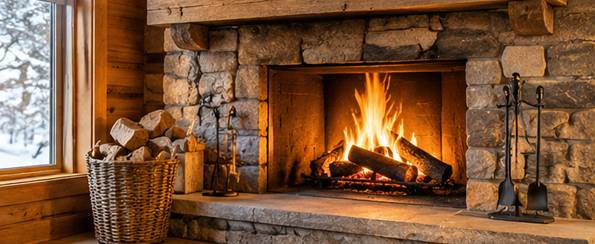
If you have a fireplace, make it the star—clean it, light candles inside, or turn on the gas flame during showings.


8. Keep Exterior Décor Clean and Welcoming

Winter curb appeal matters.

  • Clear walkways of snow and ice

  • Hang a tasteful outdoor wreath

  • Add planters with winter greens

  • Use warm white outdoor string lights (avoid flashing lights)

  • Ensure house numbers are visible and lighting is sufficient

A beautiful exterior creates excitement before buyers even step inside.


9. Maintain Cleanliness Throughout the Season

Holiday décor can clutter a space quickly—so staying organized is key.

  • Keep surfaces clear

  • Store excess decorations

  • Vacuum pine needles regularly

  • Make sure the kitchen and bathrooms stay spotless

  • Limit holiday crafts, wrapping stations, or bulky decorations

Clean homes show better—and sell faster.


10. Don’t Forget the Reason Behind Staging

Your decorations should enhance three key things:
✨ Space
✨ Light
✨ Flow

Every staging decision should support these priorities.


Holiday staging is a powerful way to make your home feel inviting, warm, and memorable to potential buyers. With the right balance of festive charm and thoughtful design, you can transform your home into a space that sparks emotion—and ultimately leads to a faster, more successful sale.

If done well, your holiday staging won’t just look beautiful—it’ll help buyers imagine their holidays there.

Read

🍂 Fall Home Maintenance Checklist for Calgary Homeowners

As the crisp air rolls into Calgary and the leaves turn golden, it’s time to prepare your home for the colder months ahead. Fall is the perfect season to tackle maintenance tasks that protect your investment and ensure your family stays cozy all winter long. Calgary’s unique climate — with fluctuating temperatures, early snowfalls, and chinooks — makes a fall checklist especially important.

Here’s your Calgary-specific fall maintenance checklist:


1. Inspect and Clean Gutters & Downspouts

  • Remove leaves, pine needles, and debris to prevent clogs.

  • Check that downspouts extend at least 4–6 feet away from your foundation to avoid water pooling during snowmelt.

  • Look for sagging or damaged sections that may need repair before heavy snow.


2. Service Your Furnace

  • Book a professional furnace inspection and cleaning before the first deep freeze.

  • Replace filters every 1–3 months for efficiency.

  • Consider installing a smart thermostat to manage fluctuating Calgary temperatures.


3. Seal Windows and Doors

  • Check for drafts around windows, doors, and baseboards.

  • Apply weather-stripping or caulking where needed.

  • Add door sweeps to keep cold air out and heating bills down.


4. Winterize Your Outdoor Plumbing

  • Drain and shut off outdoor faucets.

  • Store garden hoses indoors.

  • If you have underground sprinklers, have them professionally blown out to prevent frozen pipes.

  • Drain rain barrels.


5. Check Your Roof and Chimney

  • Inspect shingles for curling, missing pieces, or damage after summer storms.

  • Clear off branches and debris.

  • If you have a fireplace, schedule a chimney cleaning to reduce fire risk.


6. Maintain Your Yard & Trees

  • Rake leaves and aerate your lawn before the first snowfall.

  • Fertilize with a fall formula to help grass survive the winter.

  • Trim overhanging tree branches that could break under snow and damage your home.


7. Test Safety Devices

  • Replace batteries in smoke and carbon monoxide detectors.

  • Ensure you have a working fire extinguisher on each floor.

  • If you use space heaters, check cords for wear and keep them away from flammable materials.


8. Inspect Your Insulation

  • Peek into your attic for signs of leaks or insufficient insulation.

  • Proper insulation not only keeps your home warm but also helps manage Calgary’s sudden temperature swings.


9. Prepare Winter Equipment

  • Bring out shovels, ice melt, and snow brushes.

  • Test your snow blower and schedule repairs if needed.

  • Stock up on emergency supplies — blankets, batteries, flashlights, and a winter roadside kit.


✅ Final Thoughts

Taking the time in fall to prepare your Calgary home saves money, energy, and stress once winter hits. A little effort now means you’ll spend more time enjoying the cozy season and less time dealing with frozen pipes, furnace breakdowns, or icy sidewalks.

Read

How to Avoid Basement Flooding in Calgary (And What to Do If It Happens)

Basement flooding is a major concern for Calgary homeowners—especially during spring melts and summer rainstorms. A flooded basement doesn’t just mean soggy carpets and damaged furniture; it can lead to mold, structural issues, and thousands of dollars in repairs (with or without insurance coverage).

Here’s what you need to know to prevent flooding, and the emergency steps to take if it ever happens to you.


🔧 How to Prevent Basement Flooding in Calgary

When water tables rise without a system to clear the water this puts massive pressure on foundations, causing water seepage through 1) the seam between the basement wall & the basement floor 2) cracks in the floor 3) cracks in the wall

1. Keep Your Gutters and Downspouts Clear

Clogged gutters and short downspouts are one of the biggest culprits. When water can’t drain far away from your home, it can pool near the foundation and seep into your basement.

✅ Clean gutters in spring and fall
✅ Extend downspouts at least 6 feet from the foundation
✅ Consider installing downspout extenders or splash blocks


2. Grade Your Yard Away from the House

If your landscaping slopes toward your home, water will follow. Make sure soil slopes away from the foundation to direct water away naturally.

✅ Add soil around your foundation to improve grading
✅ Avoid planting large shrubs right next to your home—they can trap moisture

If you neighbour’s yard drains into your yard, make sure that you account for draining this extra water.


3. Install (Maintain) a Sump Pump

A sump pump is your basement's best friend. It collects water from around your foundation and pumps it safely away. Make sure yours is:

  • Functioning properly & draining far enough away from your foundation (and not into your neighbour’s foundation)

  • Connected to a power source (with a battery backup in case of outage)

  • Checked annually or after a major rainfall

Tip: Consider installing a high water alarm to alert you before flooding occurs. Once installed let your insurance company know - you could be eligible for a discount. (available at your local hardware store or amazon).

If you have a sump pump in your basement, here’s what you should keep in mind to prevent flooding—especially during Calgary’s wet spring and summer seasons:

  • If your sump pump runs often—like daily or even more—your home could be at higher risk if the pump ever fails. It’s a good idea to install a backup pump that kicks in if the main one stops working.

  • Make sure your sump pump has backup power. In a storm, power outages are common—and that’s when you need your pump the most. Use a battery backup or generator, not one that runs on drinking water.

  • Check for a one-way (check) valve on the discharge pipe. This keeps the water that’s already been pumped out from flowing back into the pit.

  • Ensure the discharged water flows well away from your home’s foundation. If the water ends up back near the house, the pump will just keep recycling the same water.

  • Add a sump pit water alarm. These devices let you know when the water level is rising too high. Some even send alerts straight to your phone—especially helpful if you're away from home. Look for alarms that also warn you if the pump doesn’t turn on when it should.

  • Use a sealed sump lid. This helps keep harmful radon gas from leaking into your home through the sump pit.

  • Test your pump regularly. Just pour water into the pit to make sure the pump turns on and drains properly. It’s an easy way to catch problems early.

  • Replace the sump pump every 10 years—or sooner if it shows signs of wear, runs constantly, or struggles to keep up.


4. Inspect and Maintain Foundation Cracks

Even small foundation cracks can allow water to seep in over time. Calgary’s freeze-thaw cycles make this even more likely.

✅ Seal small cracks with waterproof concrete sealant
✅ Have larger or shifting cracks inspected by a professional


5. Check Your Window Wells

Basement windows are vulnerable, especially if the wells fill with water.

✅ Ensure window wells are clear of debris
✅ Install window well covers to prevent rain or snow buildup
✅ Make sure there is proper drainage at the bottom of each well


6. Limit Water Usage During Heavy Rain

When Calgary's storm-water system is overwhelmed, your sewer line may back up—especially during heavy rain.

✅ Avoid running dishwashers, washing machines, or long showers during big storms
✅ Install a backwater valve to prevent sewage from backing up into your basement


💧 What to Do If Your Basement Floods

Even with the best prevention, flooding can still happen. Here’s what to do:

Step 1: Stay Safe

  • If water is near electrical outlets or appliances, do not enter the basement until power is shut off.

  • Wear boots, gloves, and a mask—floodwater can be contaminated.

  • Take photos & videos as much as possible.


Step 2: Stop the Source

  • If it’s from a broken pipe or sump pump failure, shut off the water or power.

  • If it’s due to rain, wait for the weather to pass and the water to stop rising.


Step 3: Call a Professional

  • Contact a water damage restoration company as soon as possible.

  • If it’s safe to do so, document the damage for insurance: take photos and videos.


Step 4: Start Water Removal

  • Use a wet/dry shop vac, pump, or mop to remove standing water

  • Remove wet carpets, drywall, and belongings quickly to prevent mold


Step 5: Dry and Dehumidify

  • Use fans and dehumidifiers to dry the space thoroughly

  • Remove baseboards and cut out wet drywall to let wall cavities dry


Step 6: Call Your Insurance Provider

  • Report the incident right away

  • Ask if your policy covers water damage or sewer backup (many Calgary homeowners opt for optional flood or sewer backup coverage or Enhanced Water Damage Package)


🧰 Final Tips for Calgary Homeowners

  • Install a backwater valve.

  • Inspect your sump pump every spring.

  • Review your home insurance policy to ensure it includes sewer backup and overland flood coverage.


In Summary

Basement flooding is an unfortunate risk in Calgary, but it’s one that can be largely managed with the right preparation. From grading your yard and maintaining your sump pump to knowing what to do if flooding does happen, a proactive approach can save you major costs and headaches.

If you're unsure about your home's risk, consult a licensed plumber or waterproofing specialist who understands Calgary's soil and seasonal risks.

Read

10 Signs You Have Too Much Stuff and Not Enough Space (And What to Do About It)

Feeling cramped in your home even though you haven't moved? It could be a sign that you have too much stuff and not enough space. Clutter builds slowly—one drawer, shelf, or corner at a time—until suddenly your home feels more chaotic than comfortable.

Here are 10 signs you may be drowning in stuff and simple, doable solutions to reclaim your space and peace of mind.


1. You Can’t Park in Your Garage

The Sign: Your garage has become a glorified storage unit, filled with boxes, holiday décor, sports gear, and random stuff that never made it back inside.
The Solution:

  • Set a weekend to declutter.

  • Categorize items into keep, donate, sell, toss.

  • Install overhead storage racks or wall-mounted shelves to free up floor space.

  • Only store what’s essential—and reclaim that parking spot!


2. You Have a “Junk Room” or “Drop Zone”

The Sign: One room or area in your home is the catch-all for everything you don’t know what to do with.
The Solution:

  • Empty the space and start fresh.

  • Invest in multi-functional furniture (like storage benches or ottomans).

  • Add labeled bins or baskets for organized sorting.

  • Set a clear purpose for the room and stick to it.


3. Your Closets Are Overflowing

The Sign: Clothes, shoes, and bags tumble out when you open the door, and you can’t find what you need.
The Solution:

  • Try the “one in, one out” rule—donate one item for every new one you bring in.

  • Use slimline hangers to maximize space.

  • Store off-season clothing in vacuum-sealed bags or under-bed containers.


4. You Buy Things You Already Own (Because You Can’t Find Them)

The Sign: You keep rebuying items—scissors, batteries, tape—because you don’t know where the originals are.
The Solution:

  • Create dedicated zones for commonly used items.

  • Use clear bins and label everything.

  • Do a quarterly home audit to reset and restock efficiently.


5. You Feel Stressed Just Looking Around

The Sign: Visual clutter is causing mental clutter—you feel anxious, irritable, or overwhelmed in your own home.
The Solution:

  • Start with a 10-minute daily tidy-up.

  • Focus on one surface at a time—clear the kitchen counter, coffee table, or nightstand.

  • Bring in calming elements like plants or neutral decor to create visual breathing room.


6. You Don’t Have a Clear Dining Table

The Sign: Your table is buried under mail, groceries, homework, or laundry, leaving no space for actual meals.
The Solution:

  • Set a daily or weekly goal to reset the table.

  • Use the “don’t put it down, put it away” motto.

  • Use a decorative centerpiece—if it’s there, you’re less likely to pile things on it.

  • Add a paper or mail sorter nearby so incoming clutter has a designated home.


7. You Struggle to Clean Your Home

The Sign: Vacuuming or dusting takes twice as long because you’re constantly moving stuff out of the way.
The Solution:

  • Aim for minimalism on surfaces—clear countertops, shelves, and floors.

  • Use decorative baskets or bins to corral loose items.

  • Keep only what’s functional or beautiful in shared spaces.


8. You’ve Started Using the Floor as Storage

The Sign: Boxes, bags, or piles of things are living on the floor—permanently.
The Solution:

  • Get creative with vertical storage—think shelves, hooks, pegboards.

  • Purge items that are no longer serving you.

  • Stop trying to find the perfect person to gift every item to, instead take it to charity trust that the most perfect person will own it next.


9. You Constantly Say “I Might Need This Someday” or “Just in Case”

The Sign: You’re keeping items based on possibility, not reality.
The Solution:

  • Ask yourself: “Would I buy this again today?”

  • Ask yourself: “Can I live without it?”

  • Store sentimental or rarely used items in clearly labeled bins in the basement or attic.

  • For emotionally tough decisions, take a photo and let the item go.


10. Your Home Doesn’t Reflect Who You Are Now

The Sign: Your space is filled with outdated hobbies, kids' toys from years ago, or decor that no longer fits your lifestyle. Gifted and hand-me-down items that fill the space, not giving you a chance to make it your own.
The Solution:

  • Redesign your home with intention.

  • Donate or sell items that belong to a past phase of life.

  • Curate your space to reflect your current values, goals, and personality.


Megan Golightly at GoSimplified. 

You don’t have to do this alone. Check out Megan’s organizing services: https://www.go-simplified.com/shop-services 

Find inspiration from GoSimpilified on Social Media:
Instagram
Facebook
YouTube
TikTok
Pinterest

Living in a cluttered space doesn’t mean you’re messy—it usually means life got busy and things accumulated without notice. The good news? You can take back control, one step at a time. With 5, 10 or 20 minutes per day. Start small, stay consistent, and remember: your home should serve you—not the stuff inside it

Figuring out your organizing style will help you stay organized and understand the organizing styles of those you live with goes a long way in creating systems that will stick. Check out the Clutterbug quiz: https://clutterbug.me/ 

Read

How to Naturally Reduce Mosquitoes in Calgary Backyards


Simple, Eco-Friendly Tips for a Bite-Free Summer

Warm summer evenings in Calgary are perfect for BBQs, gardening, and unwinding outdoors—until the mosquitoes arrive. While our climate isn’t as mosquito-heavy as some parts of Canada, our rainy springs and warm summers can still invite these pesky biters into backyards, especially after thunderstorms or during humid weeks.

If you’re looking to enjoy your outdoor space without resorting to harsh chemicals or bug zappers, here are natural and effective ways to reduce mosquitoes in your Calgary backyard:


1. Eliminate Standing Water

Mosquitoes need stagnant water to breed—even as little as a bottle cap’s worth!
Focus on:

  • Emptying birdbaths, kids' toys, and flower pot saucers weekly

  • Cleaning out gutters and ensuring proper drainage

  • Refreshing water features like fountains with circulating pumps


2. Encourage Natural Predators

Create a backyard ecosystem that naturally keeps mosquitoes in check.
Attract these beneficial allies:

  • Bats: Install a bat house on a tall pole or tree—one bat can eat thousands of mosquitoes a night!

  • Birds: Purple martins and swallows love mosquitoes. Add nesting boxes and shrubs for shelter.

  • Dragonflies & frogs: Build a small pond with native plants to draw these mosquito munchers in.


3. Plant Mosquito-Repelling Greenery

Several plants naturally deter mosquitoes thanks to their scent or essential oils.
Try planting:

  • Citronella grass (in pots for mobility)

  • Lavender

  • Lemon balm

  • Basil

  • Catnip (mosquitoes hate it—cats love it!)

  • Marigolds

Plant near seating areas, patios, or doorways for best effect.


4. Use Natural Yard Sprays

Skip the synthetic sprays. Instead, opt for natural solutions:

  • DIY garlic spray (blend garlic cloves with water and spray around the yard)

  • Neem oil spray – safe for plants and pets, but discourages mosquitoes

  • Essential oil sprays with citronella, eucalyptus, or tea tree oil mixed with water

Always test sprays on small areas of plants first to avoid damage.


5. Install Outdoor Fans

Mosquitoes are weak fliers. A gentle breeze from a fan can disrupt their flight path and keep your patio comfortable and bug-free. This is especially useful for covered decks and pergolas.


6. Keep Grass & Shrubs Trimmed

Mosquitoes rest in cool, shady areas during the heat of the day. Keep your yard tidy to eliminate hiding spots:

  • Trim tall grass

  • Prune dense bushes and trees

  • Avoid overwatering—damp, shady soil is a mosquito magnet


7. Use Mosquito-Repelling Lighting

Standard lights can attract mosquitoes, especially in the evening. Try yellow LED bug lights or solar lights designed to deter insects. Bonus: they’re energy-efficient and won’t ruin your ambiance.


8. Try Coffee Grounds in Water Features

Sprinkling used coffee grounds in stagnant water (like in planters or rain barrels) can kill mosquito larvae and prevent hatching. It’s a safe, eco-friendly option if you can’t fully eliminate a water source.


Enjoy a Bite-Free Summer

With a few intentional changes, you can transform your Calgary backyard into a more enjoyable, mosquito-resistant space—naturally. Whether you're hosting friends, playing with the kids, or simply enjoying the peace and quiet, these methods will help keep the buzz at bay.

Have a favorite natural mosquito tip or DIY trick? Share it in the comments below!

Read

Top 10 Calgary Communities for a “Car-Light” Lifestyle — Outside the Core

Not everyone wants to live downtown — but more and more Calgarians are craving a walkable, convenient lifestyle where groceries, gyms, cafes, and services are just a few blocks away.

Whether you’re a young professional, downsizer, or a busy family looking to reduce reliance on your car, these 10 Calgary neighborhoods offer the perfect balance of suburban space with urban-like convenience.

Let’s explore Calgary’s most car-optional communities beyond the city core.


1. Seton (SE)

Why it’s great:
Nicknamed the "Downtown of the South," Seton was built from the ground up as a walkable urban village.

  • South Health Campus

  • Superstore, Save-On-Foods, and more

  • YMCA (huge rec centre), Cineplex VIP, restaurants

  • Wide sidewalks, bike paths, and future LRT stop

Best for: Professionals, healthcare workers, young families


2. University District (NW)

Why it’s great:
A master-planned community that blends student life, modern urban design, and day-to-day walkability.

  • Whole Foods, Cineplex, Staples, pet stores

  • Gyms, cafes, medical offices, and green space

  • Easy access to the U of C, Market Mall, and Foothills Hospital

  • Bike-friendly infrastructure + great transit

Best for: Students, hospital staff, professionals


3. Bridgeland-Riverside (NE fringe of downtown)

Why it’s great:
Though technically close to downtown, Bridgeland offers a distinct, cozy neighborhood feel with everything you need nearby.

  • Blush Lane, Bridgeland Market, restaurants

  • Yoga studios, F45, pathways, cafes

  • CTrain access + excellent cycling

Best for: Urbanites who want charm and calm


4. Marda Loop / Garrison Woods (SW)

Why it’s great:
A trendy inner-southwest community with boutiques, dining, and groceries all within walking distance.

  • Safeway, Blush Lane, Shoppers Drug Mart

  • Boutique fitness (Barre Belle, F45, yoga)

  • Strong community vibe and great schools

Best for: Upscale buyers, young families, professionals


5. Mahogany (SE)

Why it’s great:
Combines lakeside living with serious shopping and dining power — walkable for many residents depending on their location within the community.

  • Westman Village retail district: Analog Coffee, Diner Deluxe, fitness studios

  • Sobeys, banking, salons, clinics nearby

  • Beach club, paths, and year-round activity

Best for: Families, downsizers, lake lovers


6. Aspen Woods / West Springs (SW)

Why it’s great:
These upscale communities offer suburban luxury without isolation — thanks to growing commercial hubs like Aspen Landing and West 85th.

  • Safeway, Blush Lane, banking, dental, gyms

  • Great public and private schools

  • Short drive or transit ride to downtown

Best for: Professionals, families, and commuters


7. Chinook Park / Kingsland / Haysboro (SW)

Why it’s great:
Mature communities near Macleod Trail with solid transit access and surprising walkability.

  • Proximity to Chinook Centre, Heritage CTrain Station

  • Local restaurants, fitness centres, clinics

  • Quiet streets but close to everything

Best for: Commuters, seniors, savvy buyers


8. Capitol Hill / Mount Pleasant (NW)

Why it’s great:
Bordering SAIT, North Hill Mall, and Confederation Park, these communities blend residential charm with easy access to shops and services.

  • Safeway, Starbucks, banking, clinics nearby

  • Fitness studios, CTrain, and walkable to SAIT/U of C

  • Fantastic bike lanes

Best for: Students, urban families, professionals


9. Lake Bonavista / Willow Park (SE)

Why it’s great:
Mature communities with an established lifestyle — now benefiting from proximity to Southcentre Mall and Lake Bonavista Promenade.

  • Walk to groceries, medical, fitness, and dining

  • Access to LRT, recreation centres, and green spaces

  • Bonus: Lake access (Bonavista) and golf 

Best for: Families and active retirees


10. Auburn Bay (SE)

Why it’s great:
Another lake community that’s just steps away from South Health Campus, Seton YMCA, and major retailers.

  • Walkable to Superstore, Sobeys, and services

  • Pathways, lake, dog parks, and schools

  • Quick access to Deerfoot & transit options

Best for: Young families, healthcare professionals


🏡 Final Thoughts: Suburban Doesn’t Mean Car-Dependent

These communities prove that you can have space and convenience — no long commutes or daily car reliance required. From groceries and gyms to schools and services, Calgary’s newer urban villages and mature hubs offer walkability without sacrificing lifestyle.


Thinking About a Car-Light Life?

Let’s find a home in one of these convenient communities! Whether you’re buying your first place, relocating, or downsizing, I’d love to help you discover the best fit for your lifestyle.

📩 Contact Chris Marshall
📞 403-585-5362

Read

Dive In! The Best Swimmable Lakes Near Calgary for Summer Fun

When summer finally rolls into Calgary, there’s nothing better than escaping the heat by dipping your toes—or your whole body—into a refreshing lake. While Calgary doesn’t have natural lakes within city limits, there are several beautiful, swimmable lakes just a short drive away. Whether you're looking for family-friendly beaches, scenic picnic spots, or tranquil waters surrounded by nature, there’s a perfect lake for you.

Here are some of the best swimmable lakes near Calgary to explore this summer:


1. Johnson Lake (Banff National Park)

📍 Approx. 1.5 hours from Calgary

Tucked in Banff National Park, Johnson Lake is a hidden gem with crystal-clear water, soft beaches, and spectacular mountain views. It’s one of the few lakes in the national park warm enough for swimming, thanks to its shallower depth. It’s also great for paddle boarding, kayaking, and lakeside picnics.

💡 Tip: Bring water shoes—the beach is a bit rocky in places.


2. Ghost Lake Reservoir

📍 About 45 minutes west of Calgary

Ghost Lake offers a blend of adventure and relaxation. It’s a large reservoir with areas for swimming, boating, windsurfing, and sailing. The water tends to be on the cooler side, but it’s perfect on a hot summer day.

💡 Note: This lake is popular with boaters—stick close to the designated swimming areas for safety.


3. Sikome Lake (Fish Creek Provincial Park)

📍 Within Calgary city limits

If you want to stay in town, Sikome Lake is your go-to urban beach. This man-made lake is open seasonally and features lifeguards, change rooms, picnic areas, and sandy shores. It’s ideal for families and anyone who wants a convenient swim spot without leaving the city.

💡 Pass required: There is a small entry fee for access.


4. Chestermere Lake

📍 30 minutes east of Calgary

This large lake is right next to the city and perfect for a day trip. The designated public swimming area is located near Anniversary Park, where you’ll also find a sandy beach, playgrounds, and picnic spots. There are two other lakeside parks as well: Cove Park and Sunset Park. The water is relatively warm in summer and suitable for swimming, paddling, and boating. 

💡 Parking can fill up fast—arrive early!


5. Sylvan Lake

📍 1.5 hours north of Calgary

One of Alberta’s most popular summer destinations, Sylvan Lake boasts a long sandy shoreline, shallow waters, and a bustling beach-town vibe. You’ll find everything from swimming and jet-skiing to beach volleyball and food trucks along the boardwalk. The Sylvan Lake Aqua Splash park is a fantastic attraction - a blast (and a workout!)!

💡 Make a weekend out of it—there are lots of cabins and rentals nearby.


6. Barrier Lake (Kananaskis Country)

📍 1 hour west of Calgary

While known for its icy-blue color (and equally chilly temperature), Barrier Lake is breathtakingly beautiful. Brave the cold for a refreshing dip, or simply relax by the shore and enjoy the views. It's also a great spot for hiking and picnicking.

💡 Kananaskis Conservation Pass required.


7. Sibbald Lake

📍 1 hour west of Calgary

Sibbald Lake is a smaller, quiet lake in the Kananaskis region. The beach area is rustic but peaceful—perfect for families or those looking to unwind. It’s also surrounded by great hiking and camping options.

💡 Ideal for a day trip or overnight camping.


🌞 Summer Lake Day Essentials

Before heading out, don’t forget to pack:

  • Sunscreen & hats

  • Towels and swimsuits

  • Snacks & lots of water

  • Water shoes (some beaches are rocky)

  • A portable speaker or book

  • Life jackets


Final Thoughts

Whether you’re craving a beach day close to the city or a scenic mountain escape, Calgary’s surrounding lakes have something for everyone. Just remember to check for seasonal updates or restrictions (especially in provincial and national parks) before heading out. 🌿

Happy swimming! 🏊‍♀️💦

Read

MAY 2025 CALGARY AND REGION REAL ESTATE MARKET REPORTS

📉 Calgary Real Estate Market Update – May 2025
Residential sales eased 17% year-over-year, mainly due to a slowdown in the apartment condo sector. But here’s the silver lining: sales are still 11% above long-term May trends and inventory gains are helping the market shift into more balanced territory.

🏡 Detached and semi-detached home prices remain stable and higher than last year, while increased supply in apartments and row homes is putting slight pressure on prices.

📊 Benchmark price: $589,900
📦 Months of supply: 2.6 (balanced market)

“Easing sales and rising inventory are creating healthier market dynamics and taking pressure off prices,” says Ann-Marie Lurie, CREB® Chief Economist.

➡️ Want to know how this impacts your buying or selling plans? Give me a call

📱403-585-5362

✏️Data sourced from Calgary Real Estate Board.

May 2025 CREB Calgary Real Estate Full Report      

May 2025 CREB Calgary REGION Real Estate Full Report

#CalgaryRealEstate #MarketUpdate #calgaryrealestatemarket #CalgaryHousing #RealEstateTrends

Read
Data is supplied by Pillar 9™ MLS® System. Pillar 9™ is the owner of the copyright in its MLS®System. Data is deemed reliable but is not guaranteed accurate by Pillar 9™.
The trademarks MLS®, Multiple Listing Service® and the associated logos are owned by The Canadian Real Estate Association (CREA) and identify the quality of services provided by real estate professionals who are members of CREA. Used under license.