A seller’s guide. Everything you should fix before the inspector ever sets foot in your front door.
By Chris Marshall | Calgary & Area Real Estate | RE/MAX House of Real Estate
A home inspection can make or break a deal. Buyers use the report to renegotiate price, request repairs, or walk away entirely. The good news? Most of what inspectors flag is completely preventable when you prepare in advance.
What Actually Happens During an Inspection
Most buyers hire a licensed home inspector after an offer is accepted but before conditions are waived. The inspector works for the buyer and spends two to four hours methodically examining your home from top to bottom. Here is exactly what that looks like.
1. Exterior Walkthrough
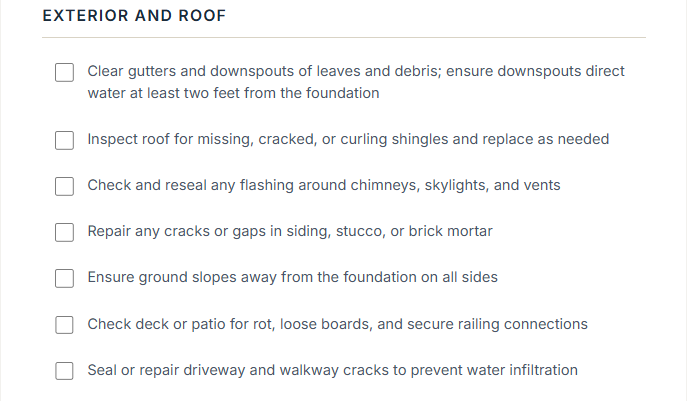
The inspector starts outside, examining the roof, gutters, downspouts, siding, foundation, driveway, deck or patio, and the grading of the land around your home to check that water drains away from the foundation rather than toward it.
2. Roof and Attic
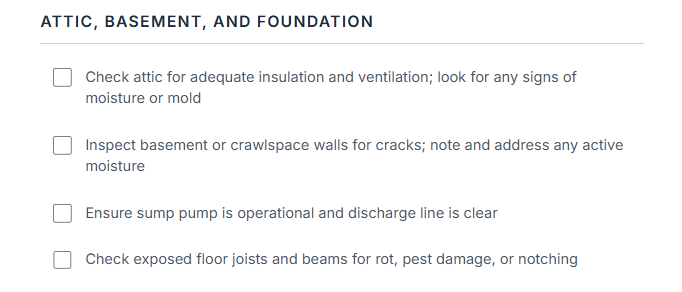
Either from a ladder, drone or by walking the roof itself, the inspector checks for missing or curled shingles, damaged flashing, and the condition of skylights and chimneys. In the attic they look at insulation, ventilation, and signs of moisture or pest activity.
3. Structural Components
Foundation walls, basement or crawlspace, load-bearing beams, and floor joists are all examined for cracks, moisture intrusion, sagging, or signs of rot.
4. Electrical System
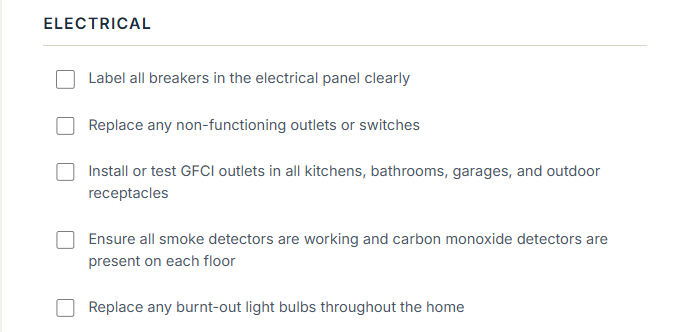
The inspector opens your main electrical panel and checks for proper wiring, breaker labeling, grounded outlets, and the presence of safety features like GFCI outlets near water sources. Outdated panels and aluminum wiring are major red flags.
5. Plumbing
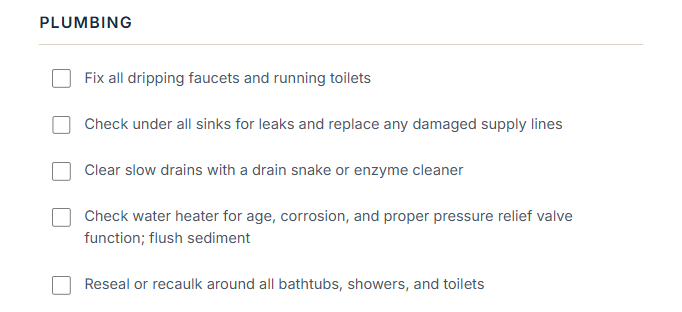
Every faucet, toilet, and visible pipe is checked for leaks, water pressure, drainage speed, and water heater condition. They will also look for evidence of past leaks such as staining under sinks.
6. Heating and Cooling (HVAC)
The furnace, air conditioner, and all ductwork are tested. The inspector checks filters, heat exchangers, and whether each room receives adequate airflow. Age and overall condition of equipment is noted.
7. Interior Rooms
Every room is walked through to check windows, doors, floors, ceilings, and walls for cracks, stains, settlement, or moisture. Doors and windows are opened and closed to check operation and sealing.
8. Kitchen and Bathrooms
Appliances are tested, exhaust fans checked, and all fixtures run simultaneously to evaluate water pressure and drainage. Under-sink cabinetry, tile grout, and caulking around tubs and showers are closely examined.
9. The Written Report
Within 24 to 48 hours the buyer receives a detailed report with photos of every issue found, categorized by severity. This document is what buyers use to negotiate. Every item you address in advance is one fewer item in that report.

"The best inspection report is the one with the fewest surprises. Sellers who prepare walk away with stronger offers and fewer headaches."
Pre-Sale Home Inspection Checklist
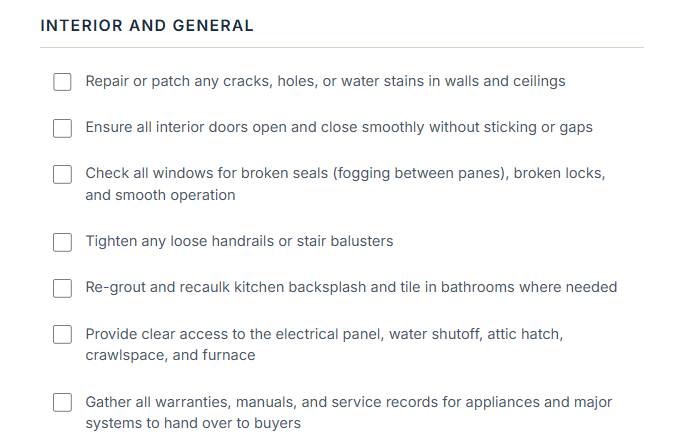
A Few Things Worth Knowing
You do not need a perfect home
No inspector expects perfection, and neither do buyers. What they are really looking for are major defects, safety issues, and signs of concealed problems. A home with minor wear but no surprises inspects far better than one that looks pristine but hides deferred maintenance.
Consider a pre-listing inspection
Having your own inspector do a walk-through before you list is one of the smartest moves a seller can make. You get a clear picture of your home's condition, time to make repairs on your schedule, and the ability to price your home with confidence. It also signals to buyers that you have nothing to hide.
Disclose what you know
In Alberta, sellers are required to disclose known material latent defects. Beyond legal obligation, transparency protects you. Buyers who feel blindsided become adversaries. Buyers who feel informed become committed.
Contact Chris today for a no obligation conversation about your home.
About Chris Marshall | Chris Marshall is an Associate Broker and REALTOR with RE/MAX House of Real Estate, serving buyers and sellers across Calgary and surrounding communities. A Certified Condominium Specialist with over 23 years of Calgary market experience, Chris specializes in helping clients navigate all stages of their real estate journey, including downsizing. Visit chrismarshallrealtor.com or call 403 585 5362.
Looking for a particular lifestyle:
Looking for community info, average home prices, market stats & schools:
Other Blogs:
How to Repair Dead Grass in Calgary and Bring Your Lawn Back to Life
How to Create a Pet-Friendly Backyard (even if your don’t own a pet)
How to Create Privacy in Your Backyard (with and without trees)
10 Signs You Have Too Much Stuff and Not Enough Space (And What to Do About it)
How to Downsize Your Home: A Step-by-Step Guide (without the stress)
Downsize or Age in Place? Making the right Choice for Your Golden Years
Quick and Easy Home Improvements that Instantly Refresh your Space
Gas vs. Electric vs. Wood Fireplace: Which Is Best for Your Calgary Home?
Comments:
Post Your Comment: