
A fireplace can add warmth, atmosphere and visual appeal to a home, but which type is best? When comparing a gas vs. electric vs. wood fireplace, the right choice depends on your budget, heating needs, lifestyle, maintenance preferences and the type of home you own.
For most Calgary homeowners, a gas fireplace is a popular choice for convenient warmth, an electric fireplace is ideal for affordability and flexibility, and a wood burning fireplace appeals to those who love the traditional experience of a real fire. However, each option has advantages and disadvantages worth considering before you install a new fireplace or purchase a home with one.
In this guide, we compare gas, electric and wood fireplaces to help you decide which option best suits your home and lifestyle.
Gas vs. Electric vs. Wood Fireplace: Quick Comparison
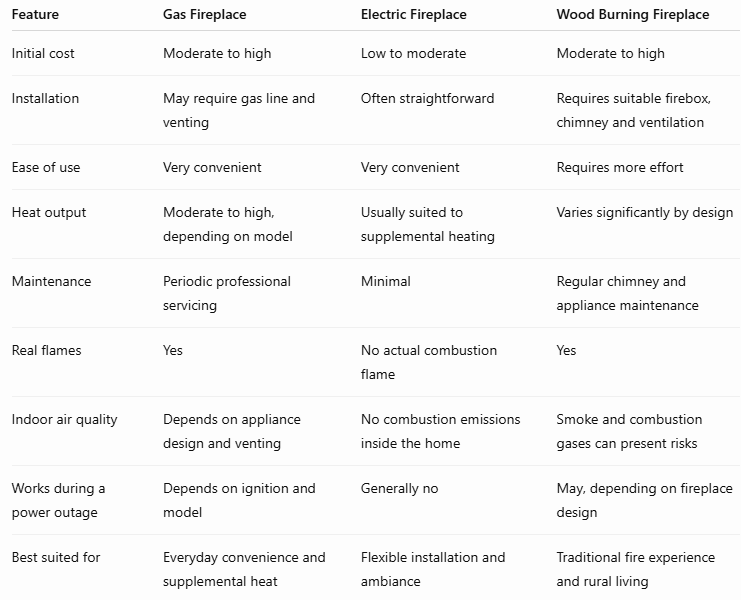
Costs and performance vary by model, installation requirements and the condition of the existing fireplace. An open wood burning fireplace, for example, performs very differently from a modern, high efficiency wood insert.
1. Gas Fireplaces: Convenient, Comfortable and Popular
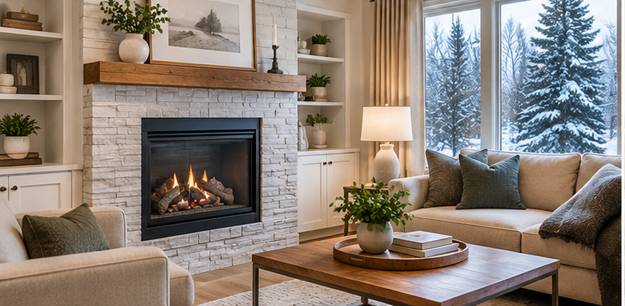
A gas fireplace offers the look of a real flame without the work involved in storing firewood, lighting a fire and cleaning up ashes. Many models operate with a wall switch or remote control, making them an attractive option for busy households.
Gas fireplaces can be particularly appealing during Calgary's long heating season, when homeowners want to enjoy a fire without making it a major undertaking.
Advantages of a gas fireplace
Convenient operation: Most models can be switched on and off easily, with some offering thermostats, timers and adjustable flame settings.
Supplemental heat: Depending on the model and room layout, a gas fireplace can provide useful heat to a living room or other frequently used space.
Less mess: There is no firewood to carry inside and no wood ash to clean up.
Design flexibility: Gas fireplaces are available in traditional styles, contemporary linear designs and inserts that can be installed into some existing masonry fireplaces.
Potential buyer appeal: A well maintained gas fireplace can be an attractive feature for buyers who value comfort and convenience.
Disadvantages of a gas fireplace
Installation costs: Adding a gas fireplace can be expensive if a gas line, venting system or structural modifications are required.
Ongoing operating costs: Natural gas or propane consumption contributes to operating costs. Efficiency varies considerably between models.
Maintenance requirements: Gas fireplaces need appropriate inspection and servicing to help ensure safe operation.
Dependence on fuel and electricity: Some models may continue operating during a power outage, while others will not. The ignition system and manufacturer's specifications determine what is possible.
Are gas fireplaces energy efficient?
Some gas fireplaces are designed primarily for appearance, while others are built to provide meaningful supplemental heat. These are not interchangeable uses.
When comparing models in Canada, look for the EnerGuide Fireplace Efficiency rating. Natural Resources Canada explains that a higher Fireplace Efficiency rating indicates better efficiency, allowing homeowners to compare models more meaningfully.
It is also important to remember that a gas fireplace generally heats a particular area rather than replacing a home's central heating system.
Best for: Homeowners who want real flames, convenient operation, supplemental heat and relatively low day to day maintenance.
2. Electric Fireplaces: Affordable, Flexible and Low Maintenance
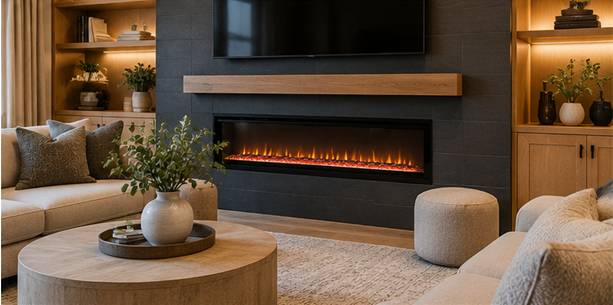
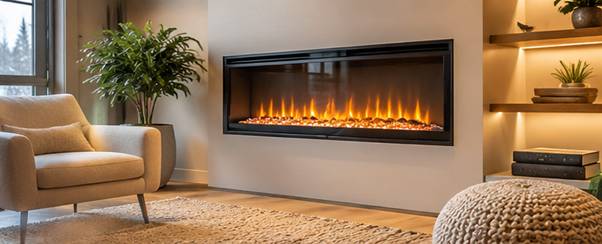
Electric fireplaces have become increasingly popular because they can add the look of a fireplace without requiring a traditional chimney or a fuel supply.
They are available as wall mounted units, recessed installations, freestanding fireplaces and electric inserts. This flexibility makes them particularly useful for condos, townhomes, renovated basements and homes where installing a gas or wood burning fireplace would be difficult.
Advantages of an electric fireplace
Lower installation costs: Many models require little more than an appropriate electrical connection, although recessed installations and electrical upgrades can add to the cost.
No chimney or combustion venting: Electric fireplaces do not burn fuel, so they do not produce combustion gases inside the home.
Simple operation: Many models include remote controls, adjustable flame effects and separate heat settings.
Minimal maintenance: There is no chimney to sweep, ash to remove or burner system to service in the same way as a fuel burning fireplace.
Flexible placement: Electric fireplaces can work well in spaces where a conventional fireplace would be impractical, provided the installation follows electrical and manufacturer requirements.
Decorative appeal: Modern units can create an attractive focal point in a living room, bedroom or basement recreation area.
Disadvantages of an electric fireplace
Limited heating capacity: Many common electric fireplaces provide supplemental heat for one room rather than heating an entire house.
No real combustion flame: The flame effect is simulated. Some premium models create a convincing visual effect, but they do not reproduce a real wood fire.
Electricity costs: Operating costs depend on the unit's power consumption, how long it runs and local electricity rates.
Electrical limitations: Older homes may require electrical upgrades for certain installations.
Are electric fireplaces cheaper to operate?
Electric fireplaces are often inexpensive to install, but the cost to run one depends on its wattage and how frequently it is used.
For example, a 1,500 watt electric fireplace running at full power for four hours uses approximately 6 kilowatt hours of electricity. To estimate the cost, multiply 6 kWh by your electricity rate per kWh, including any applicable charges.
Electric resistance heating converts electricity into heat at the point of use, but that does not automatically make it the cheapest heating option. Compare local electricity and gas costs, the fireplace's output and how you plan to use it.
Best for: Condo owners, homeowners on a budget, basement renovations and anyone who wants fireplace ambiance with minimal installation and maintenance.
3. Wood Burning Fireplaces: Traditional Charm and a Real Fire Experience
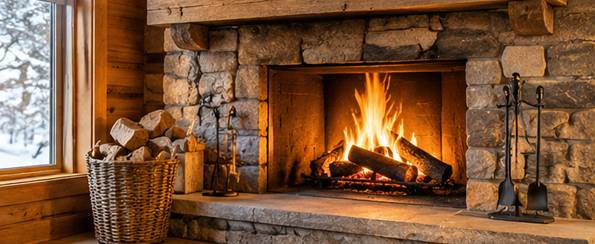
For many people, nothing compares with the sound, smell and appearance of a real wood fire. A wood burning fireplace can create a traditional gathering place and complement rustic, country and acreage properties around Calgary.
However, wood burning fireplaces require more attention than gas or electric alternatives, and the design of the appliance makes a significant difference to its performance.
Advantages of a wood burning fireplace
Authentic atmosphere: Real flames, glowing embers and the sound of burning wood create an experience that electric and gas fireplaces cannot completely reproduce.
Independence from natural gas: A wood burning appliance does not require a natural gas supply.
Potential backup heat: A properly designed wood stove or fireplace insert may provide useful heat during a power outage, depending on its design and operating requirements.
Appeal for certain buyers: Wood burning fireplaces can be especially attractive in rural homes, acreages, cabins and properties where a traditional fire suits the setting.
Disadvantages of a wood burning fireplace
More maintenance: Firewood must be purchased or collected, stored and carried. Ash and soot also need to be managed.
Chimney cleaning and inspection: Wood burning appliances require regular inspection and cleaning as needed.
Smoke and air quality: Wood combustion produces pollutants. Poor drafting or improper operation can also allow smoke and combustion gases to enter the home.
Heat loss with some designs: Traditional open fireplaces can draw heated indoor air up the chimney. They may provide less useful heat than homeowners expect.
Insurance considerations: Insurers may ask for documentation, inspection or other conditions for wood burning appliances. Confirm requirements with your insurer before purchasing a home or installing a unit.
There are companies that will do fireplace conversions if you find the perfect home, but don’t want a wood burning fireplace.
Is a wood burning fireplace efficient?
It depends on the appliance.
An older, open masonry fireplace is often more decorative than efficient and can contribute to heat loss. A modern, properly installed wood stove or high efficiency fireplace insert can provide substantially better heating performance.
If you are considering a home with a wood burning fireplace, ask about the age and condition of the appliance, chimney maintenance, installation documentation and any inspection requirements.
Best for: Homeowners who value a traditional fire, are comfortable with regular maintenance and want a fireplace that suits a country home or acreage lifestyle.
Which Fireplace Is Cheapest to Install?
The cheapest option depends on the home and the work required.
An electric fireplace is often the least expensive to install because many models do not require a gas line or combustion venting. A gas fireplace may cost more if new gas connections and venting are needed. A wood burning fireplace can involve substantial installation costs if a suitable chimney, hearth and firebox are not already in place.
When comparing quotes, consider the complete project rather than the appliance price alone.
Include:
The fireplace unit and any surround or finishing materials
Electrical or gas connections
Venting or chimney requirements
Labour and installation permits where applicable
Required inspections
Ongoing maintenance and operating costs
If a home already has a fireplace, converting it may be less expensive than building a completely new installation, but the existing structure must be suitable for the proposed appliance.
Which Fireplace Is Cheapest to Operate?
There is no single answer for every Calgary household. Operating costs depend on fuel prices, appliance efficiency, heat output and how often the fireplace is used.
An electric fireplace can be economical for occasional use in one room, while a high efficiency gas fireplace may be attractive for frequent supplemental heating. Wood costs vary depending on the supply, type of wood and whether it is purchased or sourced by the homeowner.
Before choosing, consider these questions:
Will the fireplace be used occasionally for ambiance or regularly for heat?
What is the appliance's actual heat output?
What is its efficiency rating?
How much does the fuel cost locally?
Will it reduce the need for your central heating system, or simply add extra warmth?
Remember that a fireplace is not automatically an economical way to heat an entire home. A well designed central heating system is generally better suited to whole house heating.
Which Fireplace Adds the Most Value to a Calgary Home?
A fireplace can help create an inviting atmosphere and improve a home's presentation, but no fireplace type guarantees a specific increase in resale value.
Its appeal depends on the property, the neighbourhood, buyer preferences and the quality of the installation.
Gas fireplaces and resale appeal
Gas fireplaces offer convenience and are often attractive to buyers who want an easy to operate feature. A modern, well maintained fireplace that complements the living space can help make a home feel more inviting.
Electric fireplaces and resale appeal
Electric fireplaces can enhance the appearance of a living room or finished basement without requiring a major renovation. However, a decorative unit should not automatically be treated as a value adding capital improvement.
Wood fireplaces and resale appeal
Wood burning fireplaces may appeal strongly to buyers seeking an acreage, cabin or traditional home. Other buyers may be concerned about maintenance, smoke, insurance requirements or the condition of the chimney.
What matters most to buyers?
In Calgary real estate, the overall presentation and functionality of a home matter more than simply having a particular type of fireplace. A fireplace that fits the home's style, is in good working condition and is properly maintained is more likely to be an asset than an outdated or poorly maintained installation.
If you are renovating before selling, compare the cost of the upgrade with the likely buyer appeal in your specific neighbourhood before committing to an expensive project.
Fireplace Safety and Maintenance: What Calgary Homeowners Should Know
Regardless of the type of fireplace you choose, safe installation and regular maintenance are essential.
Gas fireplaces: Follow the manufacturer's maintenance schedule and have the appliance inspected or serviced by a qualified professional when required.
Electric fireplaces: Follow electrical and clearance requirements, keep air intakes and outlets unobstructed, and use the unit according to the manufacturer's instructions.
Wood burning fireplaces: Arrange regular chimney and appliance inspections, clean the chimney as needed and use appropriate, properly seasoned firewood.
Homes with combustion appliances should have working carbon monoxide alarms installed in accordance with applicable requirements. Natural Resources Canada also recommends paying attention to combustion safety and the potential for carbon monoxide spillage from fuel burning appliances.
For additional guidance, consult Natural Resources Canada’s fireplace information and its guidance on combustion gases in the home.
Frequently Asked Questions About Gas, Electric and Wood Fireplaces
Is a gas fireplace better than an electric fireplace?
A gas fireplace is generally better for homeowners who want real flames and potentially greater supplemental heat. An electric fireplace is often better for affordability, flexible installation and minimal maintenance. The best option depends on your heating requirements, budget and home.
Is a wood burning fireplace better than a gas fireplace?
A wood burning fireplace provides an authentic fire experience and may offer backup heat with a suitable appliance. A gas fireplace is easier to operate and usually requires less day to day maintenance. For convenience, gas often has the advantage. For traditional ambiance, some homeowners prefer wood.
Which fireplace is most energy efficient?
Efficiency depends on the model and how it is used. For gas fireplaces, compare the Canadian EnerGuide Fireplace Efficiency rating. Modern wood burning appliances can perform much better than traditional open fireplaces. Electric resistance fireplaces convert electricity into heat at the point of use, but operating cost depends on electricity rates and consumption.
Can an electric fireplace heat a whole house?
Most standard electric fireplaces are designed to provide supplemental heat to a room, not replace a home's central heating system. Their effectiveness depends on the unit's output, room size, insulation and layout.
Can a gas fireplace work during a power outage?
Some gas fireplaces can operate during a power outage, but others depend on electricity for ignition, controls or fans. Check the specific model's operating instructions rather than assuming every gas fireplace will work without power.
Does a fireplace increase home resale value?
A fireplace can improve buyer appeal and help a home feel more inviting, but its financial impact varies. Condition, design, installation quality and local buyer preferences all matter. The cost of installing a fireplace may not be fully recovered at resale.
Is a wood burning fireplace a good choice for an acreage near Calgary?
It can be an appealing option for buyers who enjoy a traditional fire and are comfortable with wood storage and maintenance. Before buying, check the appliance and chimney condition, confirm insurance requirements and understand any local restrictions that may apply.
Should I convert my wood burning fireplace to gas?
A gas conversion may make sense if you want less maintenance and easier operation. However, the cost depends on the existing fireplace, gas supply, venting and installation requirements. Obtain a professional assessment and compare the conversion cost with the benefits you expect.
The Bottom Line: Which Fireplace Should You Choose?
The best fireplace is the one that suits your home, budget and lifestyle.
Choose gas if you want real flames, convenient operation and useful supplemental heat.
Choose electric if you want an affordable, flexible and low maintenance option for ambiance and occasional warmth.
Choose wood if you value the traditional fire experience and are prepared for the added work and maintenance.
If you are buying a home in Calgary, look beyond the appearance of the fireplace. Ask about its age, operating condition, maintenance history and installation requirements. If you are renovating before selling, consider whether the investment will appeal to buyers in your neighbourhood.
A fireplace should complement your home, not become an expensive feature that does not suit the way you live.
The key is to focus on improvements that make your home feel welcoming, functional, well maintained and easy to enjoy.
If you are considering selling your Calgary home, a good place to start is by looking at your property from the perspective of a potential buyer. What would you notice first? What looks tired or neglected? And what could be improved without spending more than the improvement is likely to be worth?
Sometimes the biggest difference comes from the simplest changes.
Thinking about selling your Calgary home? Contact Chris Marshall Calgary Realtor for a home evaluation and personalized advice about which improvements are worth making before you list.
About Chris Marshall | Chris Marshall is an Associate Broker and REALTOR with RE/MAX House of Real Estate, serving buyers and sellers across Calgary and surrounding communities. A Certified Condominium Specialist with over 23 years of Calgary market experience, Chris specializes in helping clients navigate all stages of their real estate journey. Visit chrismarshallrealtor.com or call 403 585 5362.
Looking for community info, market stats & schools:
Looking for a particular lifestyle:
Other Blogs:
How to Repair Dead Grass in Calgary and Bring Your Lawn Back to Life
How to Create a Pet-Friendly Backyard (even if your don’t own a pet)
How to Create Privacy in Your Backyard (with and without trees)
10 Signs You Have Too Much Stuff and Not Enough Space (And What to Do About it)
How to Downsize Your Home: A Step-by-Step Guide (without the stress)
Downsize or Age in Place? Making the right Choice for Your Golden Years
Quick and Easy Home Improvements that Instantly Refresh your Space
Comments:
Post Your Comment: