Chris Marshall | RE/MAX House of Real Estate • Calgary and Area Real Estate Expert
Real estate has its own language. When you are buying, selling, or investing in property in Calgary or on an acreage in the surrounding area, understanding the terminology used by REALTORS, lenders, lawyers, and municipalities is essential to making confident decisions.
This comprehensive glossary covers the real estate terminology most relevant to buyers, sellers, investors, and acreage property owners in Calgary, Alberta and surrounding communities including Okotoks, Airdrie, Cochrane, Chestermere, Springbank, Langdon, Rocky View County, Foothills County, and Wheatland County.
Unlike generic real estate glossaries, this guide focuses on Alberta specific terms, Calgary specific processes, and acreage property considerations that buyers and sellers in this region encounter in real transactions. Where terms differ from other Canadian provinces, those differences are noted.
If you have questions about any of these terms in the context of your specific situation, contact Chris Marshall for honest, clear, no obligation guidance. With over 23 years of Calgary and acreage real estate experience, Chris is here to make the process understandable and manageable from start to finish.
General Real Estate Terms
These are foundational terms used across all types of real estate transactions in Calgary and Alberta.
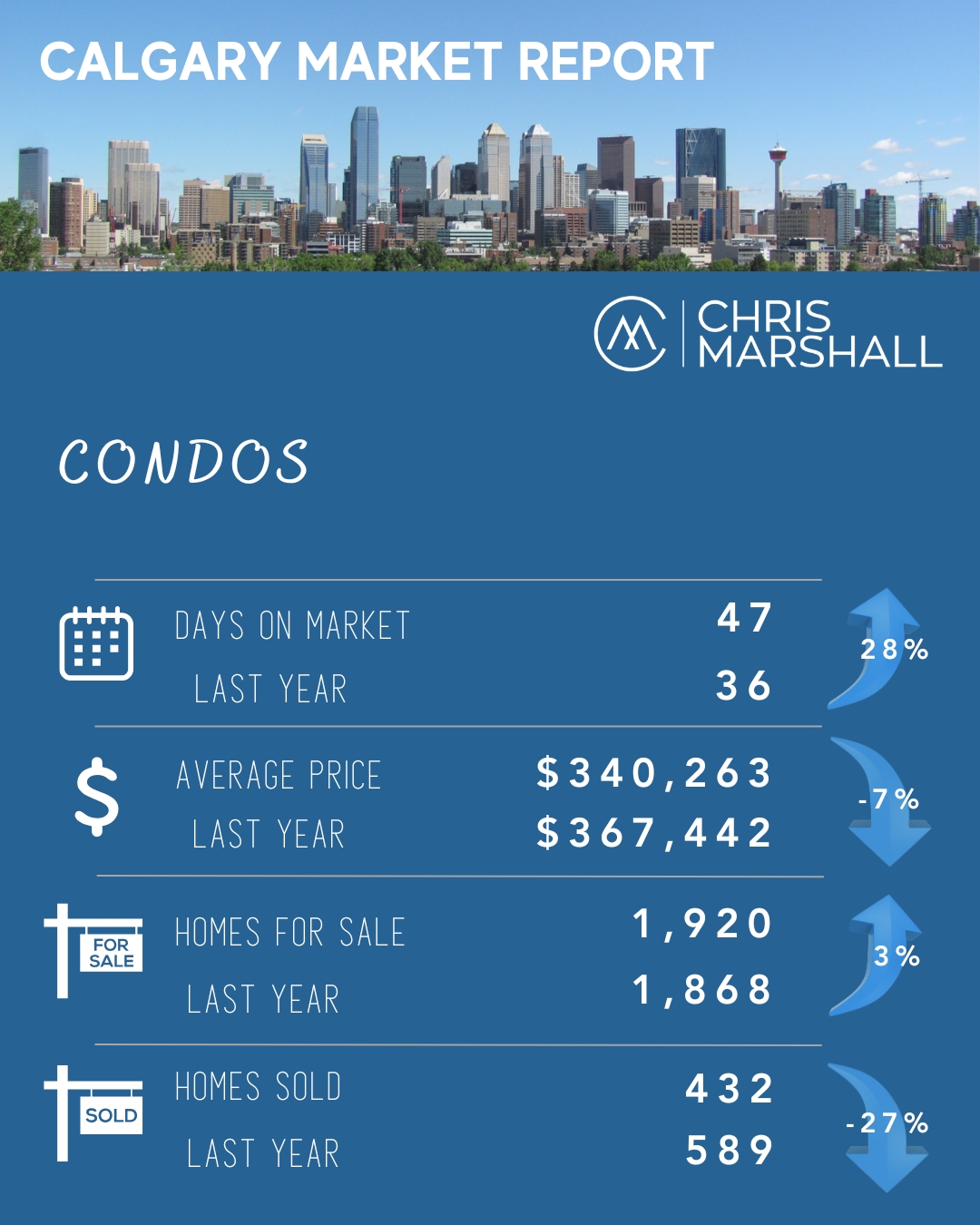
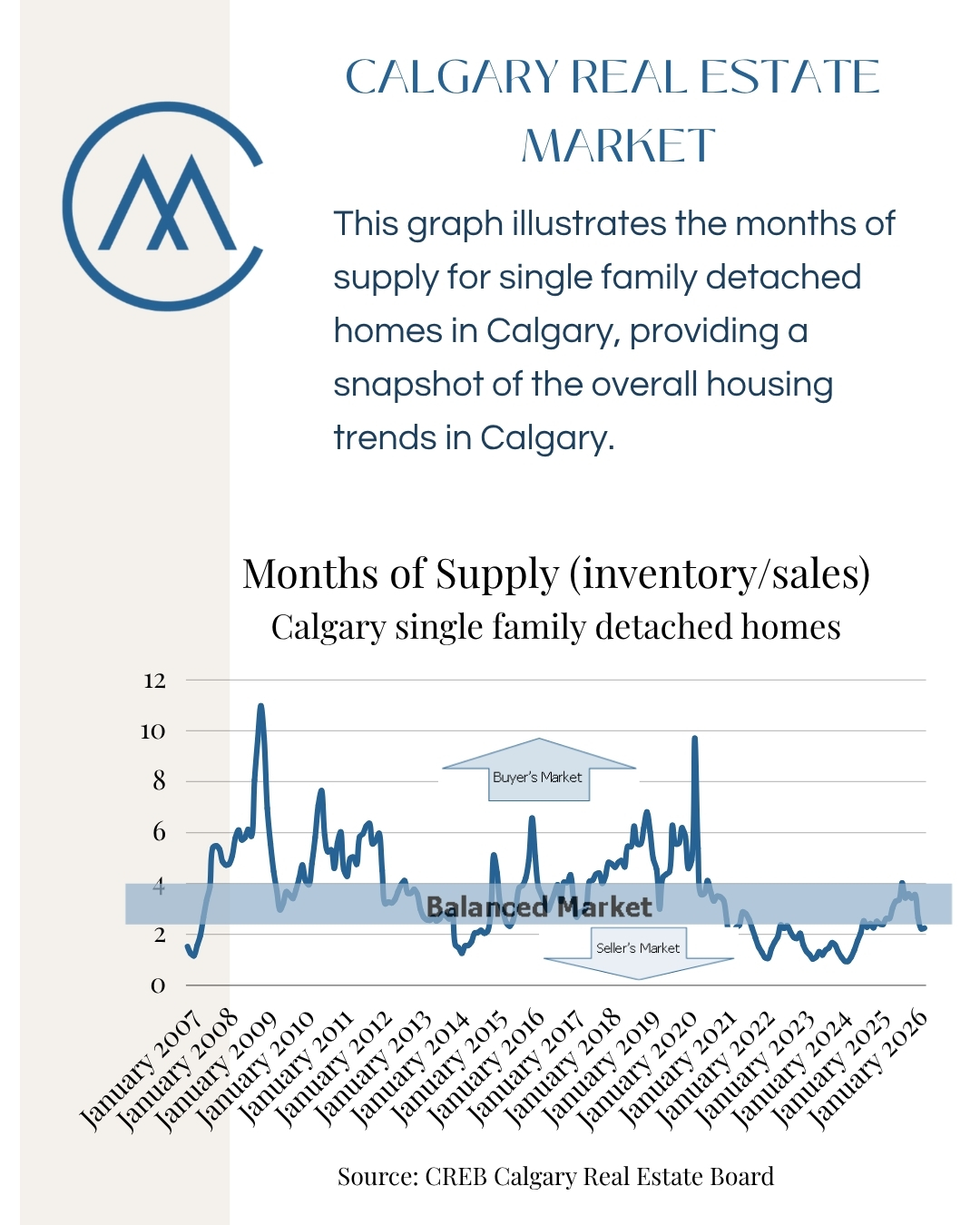
Absorption Rate The rate at which available homes are sold in a specific market during a set time period. A low absorption rate indicates a buyer's market; a high rate indicates a seller's market. Calgary CREB reports absorption rates by community and property type each month. Our Calgary market stats show the current absorption rate graph, a great overview of what is happening in the real estate market.
Acreage A rural or semi rural property with a larger lot size, typically outside Calgary city limits but within driving distance of the city. Acreages range from small rural residential lots of one to five acres to large agricultural or estate parcels of hundreds of acres. Rocky View County, Foothills County, and Wheatland County are the most common acreage jurisdictions around Calgary. Acreage homes.
Addendum A document that is attached to and made part of an original contract to add, modify, or clarify terms that have already been agreed upon. Addenda are common in real estate transactions when conditions, inclusions, or timelines are amended after the original offer is signed.
Adjustments Financial calculations made at closing between buyer and seller to account for prepaid or outstanding costs such as property taxes, condo fees, or utility bills. If a seller has prepaid taxes beyond the possession date, the buyer reimburses the seller for the portion that applies after possession.
Alberta Land Title The official legal record of ownership for a property in Alberta, maintained by the Alberta Land Titles Office. A title search confirms who owns a property and identifies any registered claims, caveats, or encumbrances against it.
Alberta Real Estate Association (AREA) The provincial association representing real estate industry members across Alberta. AREA develops and maintains the standard contracts and forms used in Alberta real estate transactions, including the AREA Residential Purchase Contract.
AREA Contract The standard purchase contract used in Alberta real estate transactions when a REALTOR acts for either or both parties. The AREA Residential Purchase Contract governs the purchase and sale of residential properties and is the foundational document of any offer to purchase in Alberta.
As Is Where is A term indicating that a property is being sold in its current condition, with no representations or warranties made by the seller about the state of the property. Buyers of as is properties take on all risk associated with the condition of the home. Foreclosures and estate sales are commonly sold as is in Alberta.
Assessed Value The value assigned to a property by the City of Calgary or the relevant municipality for the purpose of calculating annual property taxes. Assessed value is determined each year based on market conditions as of July 1 of the prior year and does not necessarily reflect current market value.
Associate Broker In Alberta, an Associate Broker is a real estate professional who holds a Broker level licence but works within another broker's firm rather than operating as the managing broker. Chris Marshall holds an Associate Broker designation, representing the highest individual licence level in the province.
Assumable Mortgage A mortgage that can be transferred from the seller to the buyer, with the buyer taking over the existing mortgage terms and payment schedule. Assumable mortgages can be attractive when the existing rate is lower than current market rates.
Attached Goods Items that are physically attached to a property and, by law, form part of the real property. Attached goods transfer with the property to the buyer unless specifically excluded in writing. Also referred to as fixtures. Examples include built in appliances, light fixtures, and central vacuum systems.
Buyer and Offer Terms
Understanding these terms will help buyers in Calgary navigate the offer process, conditions, and their rights and obligations throughout a transaction.
Buyer's Agent Also called a Buyer's Associate in Alberta, this is the REALTOR who represents the buyer's interests in a transaction. In Alberta, a buyer agency relationship arises automatically when a REALTOR begins providing services to a buyer, even without a written agreement.
Buyer's Market A market condition where the supply of properties for sale exceeds buyer demand. In a buyer's market, buyers have more negotiating power, more selection, and more time to make decisions. Calgary's market shifts between buyer's and seller's conditions by property type and community.
Buyer Brokerage Agreement A written agreement between a buyer and a REALTOR that formalizes the buyer agency relationship and outlines the scope of services, compensation, and obligations of both parties. In Alberta, buyer agency can exist without a written agreement, but a written agreement provides clarity for all parties.
Bridge Financing A short term loan that allows a buyer to purchase a new home before their existing home has sold and closed. Bridge financing is typically arranged through a lender and covers the gap between the purchase closing date and the sale closing date of the buyer's current property.
Caveat A legal notice registered on a property's title that signals a third party claim or interest in the property. Caveats must be resolved before a property can be sold with clear title. Common caveats include builder's liens, easements, and spousal interest claims. Caveats appear on an Alberta title search.
Certificate of Title The official Alberta government document that identifies the registered owner of a property, the legal land description, and any registered interests, caveats, or encumbrances on the property. Buyers and their lawyers review the Certificate of Title as part of standard due diligence.
Closing Costs Expenses in addition to the purchase price that a buyer must pay to complete a real estate transaction in Alberta. Typical closing costs include legal fees, title insurance, property tax adjustments, home inspection fees, and any applicable GST on new construction. Buyers should budget approximately 1.5 to 4 percent of the purchase price for closing costs.
Completion Day The day on which all legal and financial obligations related to a real estate transaction are met and the title to the property is transferred from the seller to the buyer. All financial adjustments and payments flow through on Completion Day. In Alberta, Completion Day is typically a few days before Possession Day.
Condition A term in an offer to purchase that makes the agreement conditional upon the satisfaction of a specific requirement within a set time period. Common conditions in Calgary real estate include financing approval, satisfactory home inspection, condominium document review, and the sale of the buyer's existing property. If a condition is not satisfied or waived by the deadline, the contract is void.
Counter Offer A response to an original offer in which the receiving party proposes different terms rather than accepting or rejecting outright. Counter offers are common in real estate negotiations and may address price, possession date, inclusions, or conditions. Each counter offer forms a new offer that must be accepted, rejected, or countered in turn.
CREB The Calgary Real Estate Board, now operating as the Calgary Real Estate Board CREB, is the local real estate board governing licensed REALTORS in the Calgary metropolitan area. CREB maintains the regional MLS system, publishes monthly market statistics, and sets standards for its member REALTORS.
Seller and Listing Terms
These terms relate to the process of listing, marketing, and selling a property in Calgary and surrounding communities.
Seller's Agent Also called a Listing Agent in Alberta, this is the REALTOR who represents the seller's interests in a transaction. The Seller's Agent markets the property, coordinates showings, advises on pricing strategy, negotiates offers, and manages the transaction through to completion on behalf of the seller.
Seller's Market A market condition where buyer demand exceeds the supply of available properties. In a seller's market, sellers have more negotiating power, often receive multiple offers, and can command prices at or above the asking price. Calgary has experienced prolonged seller's market conditions in many communities in recent years.
Comparative Market Analysis (CMA) A professional analysis prepared by a REALTOR to estimate the current market value of a property, based on recent sales of comparable properties in the same area, current active competition, and market trend data. A CMA is the standard tool for setting a list price and is different from a formal appraisal. Chris Marshall provides complimentary CMAs for Calgary and acreage properties.
Commission The fee paid to the real estate brokerage or REALTOR for services rendered in a real estate transaction. In Alberta, commission is negotiable and is typically paid by the seller from the sale proceeds. The seller's brokerage shares a portion of the commission with the buyer's brokerage.
Days on Market (DOM) The number of days a property has been listed for sale on the MLS system. Days on Market is a key indicator of market demand for a specific property or neighbourhood. Properties with high DOM relative to community averages may be priced too high or have condition issues affecting buyer interest. We include days on market stats in our community stats.
Deposit A sum of money paid by the buyer upon acceptance of an offer to demonstrate commitment and good faith. In Calgary, deposits are typically held in trust by the seller's brokerage until Completion Day, at which point they are applied to the purchase price. Deposits are generally forfeited if the buyer defaults on the contract without valid cause.
Disclosure The legal obligation of sellers and their REALTORS to disclose known material facts about a property that could affect a buyer's decision to purchase. In Alberta, sellers must disclose known material latent defects but are not required to disclose stigmatized property information such as a previous death on the property.
Exclusive Listing A listing agreement where a seller authorizes a single brokerage to market their property. Unlike an MLS listing, an exclusive listing is not shared on the public MLS system, which limits exposure to buyers working with other REALTORS. Exclusive listings are sometimes used for luxury or sensitive properties where the seller prefers controlled exposure.
Expiry Date The date and time by which an offer to purchase must be accepted, rejected, or countered. Once an offer expires, it is no longer legally binding and either party is free to walk away. REALTORS advise clients on appropriate offer expiry windows based on market conditions and urgency.
Holdback A sum of money held back from the sale proceeds at completion, typically to ensure that a specific condition or obligation is met after closing. Common holdbacks in Calgary include amounts held pending final municipal inspection of new construction, completion of agreed upon repairs, or resolution of title issues.
Listing Agreement A legally binding contract between a seller and a real estate brokerage that authorizes the brokerage to market and sell the property on the seller's behalf. Listing agreements specify the listing price, the commission, the duration of the listing, and the obligations of both parties.
Multiple Offers A situation where a seller receives more than one offer on a property at the same time. Multiple offer situations are common in Calgary's competitive market, particularly for well priced family homes in high demand communities. Chris Marshall advises both buyers and sellers on strategy in multiple offer situations.
Mortgage and Financing Terms
Mortgage terminology can be confusing. These definitions cover the key financing concepts that Calgary buyers encounter when working with lenders and mortgage brokers.
Amortization The total length of time over which a mortgage loan is repaid in full through regular scheduled payments. Common amortization periods in Canada are 20, 25, and 30 years for insured mortgages. The amortization period determines the size of monthly payments and the total interest paid over the life of the mortgage. This is different from the mortgage term.
Annual Percentage Rate (APR) A standardized measure of the true annual cost of borrowing, expressed as a percentage. The APR includes the stated interest rate plus additional fees and costs associated with the mortgage, making it a more complete comparison tool than the interest rate alone.
Conventional Mortgage A mortgage where the buyer provides a down payment of 20 percent or more of the purchase price, meaning mortgage default insurance is not required. Conventional mortgages generally offer more flexibility in terms and conditions compared to insured mortgages.
Down Payment The portion of the purchase price paid upfront by the buyer, not financed through a mortgage. In Canada, the minimum down payment is 5 percent for properties under $500,000, and a graduated scale applies for higher priced homes. A down payment of less than 20 percent requires CMHC mortgage default insurance.
First Home Savings Account (FHSA) A registered savings account introduced by the Government of Canada in 2023 that allows first time home buyers to save up to $40,000 tax free for the purchase of their first home. Contributions are tax deductible and withdrawals for a qualifying home purchase are tax free, making the FHSA a powerful savings tool for Calgary buyers entering the market.
Fixed Rate Mortgage A mortgage with an interest rate that remains constant for the duration of the mortgage term, regardless of market interest rate fluctuations. Fixed rate mortgages provide payment predictability and protection against rising rates.
Gross Debt Service (GDS) Ratio A lender calculation that measures a borrower's monthly housing costs, including mortgage principal and interest, property taxes, and heating costs, as a percentage of gross monthly income. Most lenders require a GDS ratio of 39 percent or less for mortgage qualification.
Home Buyers Plan (HBP) A federal program that allows first time home buyers to withdraw up to $60,000 from their Registered Retirement Savings Plan (RRSP) tax free to use toward the purchase of a qualifying home. Withdrawn funds must be repaid to the RRSP over 15 years.
High Ratio Mortgage A mortgage with a down payment of less than 20 percent of the purchase price. High ratio mortgages require mortgage default insurance through CMHC and the insurance premium is added to the mortgage balance.
Mortgage Default Insurance Also known as CMHC insurance, this is mandatory for home buyers who make a down payment of less than 20 percent. The insurance protects the lender in the event the borrower defaults. The premium ranges from 0.6 to 4 percent of the mortgage amount and is added to the mortgage balance.
Mortgage Pre Approval A process where a lender reviews a buyer's financial information and provides a written commitment to lend a specified amount at a specific interest rate, subject to certain conditions. A pre approval gives buyers confidence in their budget and signals to sellers that they are serious and financially capable.
Mortgage Term The length of time for which a mortgage agreement and its interest rate are in effect, typically ranging from one to five years in Canada. At the end of the term, the remaining mortgage balance is renewed or renegotiated. The mortgage term is different from the amortization period.
Open Mortgage A mortgage that allows the borrower to repay the full balance at any time without penalty. Open mortgages typically carry higher interest rates than closed mortgages in exchange for this flexibility.
Stress Test A mandatory federal qualification test that requires Canadian mortgage applicants to prove they can afford payments at a rate higher than the actual mortgage rate, typically the greater of the contract rate plus 2 percent or the Bank of Canada benchmark rate. The stress test applies to all insured and most uninsured mortgages in Canada.
Total Debt Service (TDS) Ratio A lender calculation that measures all of a borrower's monthly debt obligations, including housing costs and other debts such as car payments, credit cards, and student loans, as a percentage of gross monthly income. Most lenders require a TDS ratio of 44 percent or less for mortgage qualification.
Variable Rate Mortgage A mortgage with an interest rate that fluctuates with changes in the lender's prime rate, which is influenced by the Bank of Canada's overnight rate. Monthly payments may remain fixed while the proportion applied to principal versus interest changes, or payments may fluctuate with the rate.
Property and Title Terms Specific to Alberta
Alberta has several property law and title concepts that are unique to the province or significantly different from other parts of Canada. These terms are particularly important for buyers and sellers in the Calgary region.
Bare Land Condominium A form of condominium where each owner holds title to a specific parcel of land within the development, as well as a proportionate share of common property. Bare land condominiums are common for semi detached and townhome developments in Calgary. Owners are responsible for their own structures while sharing common amenity costs through condo fees.
Condominium Corporation The legal entity created when a condominium is registered, responsible for managing and maintaining the common property and enforcing the condominium bylaws on behalf of all unit owners. All condo owners are automatically members of the Condominium Corporation.
Condominium Documents (Condo Docs) A package of documents that Alberta law requires sellers to provide to buyers in a condominium transaction. Condo documents typically include the condominium plan, bylaws, current financial statements, reserve fund study, meeting minutes, insurance information, and estoppel certificate. Buyers have a statutory review period to review these documents after receiving them.
Condominium Fees Monthly fees paid by each condo unit owner to the Condominium Corporation to cover the costs of maintaining, repairing, and insuring the common property, as well as contributions to the reserve fund. Condo fees vary significantly based on the age of the building, amenities, and reserve fund status.
Crown Land Land owned by the Government of Canada or the Province of Alberta. Much of Alberta's rural land is Crown land and is either open to public use or leased for agricultural or energy purposes. Understanding Crown land boundaries is important for acreage buyers evaluating access, neighbouring use, and future development near rural properties.
Detached Home A single family residential structure that stands alone on its own lot with no shared walls with neighbouring properties. Detached homes are the most common property type in Calgary's suburban communities and all acreage areas.
Dower Rights Legal protections under Alberta's Dower Act that give a legally married spouse rights related to the matrimonial home, including the right to live in the home and the right to be compensated if the home is sold without their consent. A Dower Release or Consent must be signed by a non titled spouse for any property transaction involving a married homeowner in Alberta.
Easement A legal right that allows a third party to use a portion of a property for a specific purpose, such as access, utilities, or drainage, without owning the land. Easements are registered on title and transfer with the property. Common easements in Alberta include utility easements for power lines and pipeline right of ways on acreage properties.
Encumbrance Any claim, lien, charge, or restriction registered against a property's title that may affect its value or transfer. Encumbrances include mortgages, caveats, easements, builder's liens, and utility right of ways. A title search reveals all encumbrances registered against a property.
Estoppel Certificate A document issued by a Condominium Corporation that provides a buyer with a snapshot of a condo unit's financial and legal status at a specific date. The estoppel certificate confirms the amount of condo fees, any outstanding arrears, any pending special assessments, and the unit's parking and storage entitlements. In Alberta, sellers must provide an estoppel certificate within 10 days of a buyer's request.
Freehold A form of property ownership where the owner holds absolute ownership of both the land and the structure on it, with no shared governance obligations to other owners. Freehold is the most complete form of property ownership and is typical for detached homes and many acreage properties in Alberta.
Legal Description The precise legal identification of a property as recorded in the Alberta Land Title system, using the Torrens land registry format. In urban areas, legal descriptions typically reference a plan and block and lot number. In rural Alberta, legal descriptions use the Township, Range, and Meridian system based on the Dominion Land Survey.
Legal Suite A secondary dwelling unit within a property that has received the required municipal approvals to be legally occupied as a separate rental unit. In Calgary, legal suites must meet building code and safety standards and receive a development permit. Legal suites add rental income potential and can improve a property's appraised value.
Lot Grade Certificate A document issued by the City of Calgary certifying that the grading of a residential lot meets the approved drainage plan. Lot Grade Certificates are typically required at the time of sale for newer properties in Calgary and ensure proper water drainage away from the home and toward the street.
RMS (Residential Measurement Standard) The standard method for measuring and reporting the above grade square footage of residential properties in Alberta, developed by the Alberta Real Estate Association and the Alberta Appraisal Institute. RMS governs what areas are included in the advertised square footage of a home, ensuring consistency across listings. Basement and below grade areas are reported separately.
RPR (Real Property Report) A legal document produced by an Alberta Land Surveyor showing the location of all structures on a property relative to the lot boundaries. An RPR with municipal compliance is typically required by lenders and is standard practice in Alberta residential real estate transactions. For acreage properties, RPRs may also confirm the locations of water wells, septic systems, and other improvements.
Semi Detached A residential property type where two individual homes share one common wall. Each unit has its own title, lot, and separate entrance. Semi detached homes are common in Calgary's inner city neighbourhoods and many suburban communities.
Special Assessment A one time charge levied against all condo unit owners by the Condominium Corporation to fund a major repair or capital improvement that cannot be fully covered by the reserve fund. Special assessments can range from minor amounts to tens of thousands of dollars per unit and are a key risk factor to evaluate when reviewing condo documents.
Title Insurance An insurance policy that protects a property buyer or lender against losses arising from title defects, errors in public records, survey issues, or unknown encumbrances discovered after the purchase closes. Title insurance is standard practice in Alberta real estate transactions and provides broad protection for a one time premium.
Torrens System Alberta's land title registration system, under which the government guarantees the accuracy of registered title. Under the Torrens System, the Certificate of Title is conclusive evidence of ownership and all registered interests. Alberta's Torrens based system provides strong title security for property owners.
Unattached Goods Also called chattels, these are moveable personal property items that belong to the seller and do not automatically transfer with the property. Unattached goods must be specifically included in writing in the purchase contract to transfer to the buyer. Examples include furniture, appliances not built in, garden ornaments, and patio furniture.
Zoning The municipal or county classification that dictates how a parcel of land may be used, what structures may be built on it, and what development standards apply. In Calgary, zoning is governed by the City of Calgary Land Use Bylaw. In acreage areas, zoning is governed by the relevant County or Municipal District. Understanding zoning is essential for buyers evaluating a property's development potential or intended use.
Acreage and Rural Property Terms
Acreage and rural property transactions around Calgary involve terminology that does not apply to standard residential real estate. These definitions cover the key terms buyers and sellers encounter when dealing with rural properties in Rocky View County, Foothills County, Wheatland County, and surrounding areas.
Agricultural Land Reserve Land designated for agricultural use under provincial or municipal planning policy. Properties within or adjacent to agricultural reserves may have restrictions on non agricultural uses and subdivision. Acreage buyers should confirm land use designations with the applicable County or Municipal District before purchasing.
County / Municipal District The rural municipal government that has jurisdiction over acreage and agricultural land surrounding Calgary. Rocky View County surrounds Calgary to the north, west, and east. Foothills County lies to the south. Wheatland County sits to the east. Each County has its own land use bylaws, development permit processes, and property tax mill rates.
Development Permit A permit issued by a municipality or county authorizing a specific development or use on a property, subject to compliance with the applicable land use bylaw. Acreage buyers planning to build additional structures, change land use, or subdivide should confirm development permit requirements with the applicable County or Municipal District.
Foothills County The Municipal District immediately south and southwest of Calgary, encompassing communities such as Okotoks, High River, Black Diamond, Turner Valley, Millarville, and Priddis. Foothills County is a popular acreage destination for buyers seeking southern Alberta acreage with mountain views and proximity to Kananaskis.
Mineral Rights The legal rights to subsurface minerals including oil, natural gas, coal, and other resources beneath a property. In Alberta, mineral rights are frequently held by the Crown rather than the surface owner, particularly for older land titles. Buyers of acreage properties should confirm whether mineral rights are included in the title and understand the implications of surface lease agreements if mineral rights are not owned.
Municipal District (MD) Another term for a rural municipal government, often used interchangeably with County in Alberta. Municipal Districts have the same planning and governance responsibilities as Counties. Kneehill County and Wheatland County are Municipal Districts adjacent to the Calgary region.
Right of Way A legally registered easement that grants a third party the right to cross or use a strip of land for a specific purpose such as a road, pipeline, power line, or drainage channel. Rights of way are common on acreage properties in Alberta and may restrict what the owner can build or do in the affected area.
Rocky View County The large Municipal District immediately surrounding Calgary to the north, west, and east, and one of Alberta's most desirable acreage markets. Popular communities in Rocky View County include Springbank, Bearspaw, Elbow Valley, Langdon, Balzac, Beiseker, and Chestermere. Rocky View County acreages range from small rural residential lots to large agricultural parcels.
Rural Address The standardized addressing system used for rural properties in Alberta, based on township and range grid coordinates. Rural addresses allow emergency services, utilities, and service providers to locate acreage properties that do not have conventional street addresses.
Septic System The private wastewater treatment system used on properties not connected to a municipal sewer. Septic systems typically consist of a holding tank and a drainage field. Acreage buyers should review septic system inspection records, confirm the system is properly permitted, and budget for eventual replacement as part of their due diligence.
Surface Lease An agreement between a surface rights owner and a resource company granting the company the right to access and use a portion of the land surface for energy related activities such as oil and gas well operations. Surface leases generate annual rental payments to the landowner but may restrict use of the affected area. Buyers of acreage properties should review any existing surface leases before purchasing.
Water Well The private drinking water source for most rural acreage properties not connected to a municipal water system. Acreage buyers should review the well log, confirm adequate water yield, and arrange for professional water quality testing as part of their due diligence. Well reports are available from the Alberta Environment and Protected Areas Water Well Database.
Wheatland County The Municipal District east and southeast of Calgary, encompassing communities such as Strathmore, Gleichen, and Cluny. Wheatland County offers flat prairie acreages at generally lower price points than Rocky View or Foothills Counties, and is popular with buyers seeking agricultural land or affordable rural living with access to the TransCanada Highway corridor.
Condominium Terms for Calgary Buyers and Sellers
Buying or selling a condominium in Calgary involves a layer of terminology and documentation that is unique to strata and condominium ownership. Chris Marshall holds a Certified Condominium Specialist designation and advises condo buyers and sellers across all Calgary communities.
Bylaws The rules and regulations established by the Condominium Corporation that govern the conduct of unit owners and occupants. Bylaws address matters such as pet restrictions, rental restrictions, noise rules, renovation requirements, and use of common facilities. Buyers should review bylaws carefully before purchasing to ensure they can live with the restrictions.
Common Property The areas of a condominium development that are owned collectively by all unit owners and managed by the Condominium Corporation. Common property includes building exteriors, hallways, elevators, parking structures, amenity rooms, landscaping, and other shared facilities.
Condominium Plan The legal document registered with Alberta Land Titles that creates the condominium, defines the boundaries of each unit, identifies common property, and establishes the unit factor (proportionate share) for each unit.
Parking and Storage In a Calgary condo transaction, it is essential to confirm what parking stalls and storage lockers are included with the unit and how they are held. Parking and storage may be owned (titled), assigned (exclusive use common property), or licensed (common property without exclusive use rights). Only titled parking and storage have the same ownership security as the condo unit itself.
Reserve Fund A mandatory fund maintained by the Condominium Corporation to pay for major repair and replacement of common property over time. Alberta's Condominium Property Act requires that condominiums maintain an adequate reserve fund based on a professional reserve fund study. A well funded reserve reduces the risk of special assessments.
Reserve Fund Study A professional engineering assessment of the common property components of a condominium, their remaining useful life, and the projected costs of future repair and replacement. Reserve fund studies are required by Alberta law and are a key document to review when evaluating the financial health of a condominium. A poorly funded reserve is a significant financial risk for buyers.
Unit Factor The proportionate share of the common property and common expenses that is assigned to each unit in a condominium. A unit with a higher unit factor pays a higher proportion of condo fees and assessments. Unit factors are defined in the condominium plan registered at Alberta Land Titles.
Real Estate Investing Terms for Calgary and Alberta
These terms are relevant to buyers evaluating investment properties, rental properties, and income generating real estate in Calgary and surrounding communities.
Cap Rate (Capitalization Rate) A measure of the return on a real estate investment property, calculated by dividing the property's net operating income by its purchase price. Cap rates are used to compare the relative value of investment properties and assess income generating potential. In Calgary's residential investment market, cap rates vary significantly by property type and neighbourhood.
Cash Flow The net income generated by a rental property after all operating expenses, mortgage payments, and other costs have been deducted from rental income. Positive cash flow means the property generates more income than it costs to own. Negative cash flow means the owner must supplement income from other sources. Cash flow analysis is a critical component of any investment property evaluation.
Gross Rental Yield A basic measure of investment return calculated by dividing annual gross rental income by the purchase price, expressed as a percentage. Gross rental yield does not account for operating expenses and is used as an initial screening tool to compare investment properties.
Net Operating Income (NOI) The total rental income generated by a property minus all operating expenses, excluding mortgage payments. Operating expenses include property taxes, insurance, property management fees, maintenance, and vacancy allowances. NOI is the basis for cap rate calculation.
Principal Residence Exemption A Canadian tax provision that exempts the capital gain on the sale of a property designated as a principal residence from income tax. To qualify, the property must have been ordinarily inhabited by the taxpayer or their family in each year the exemption is claimed. Investment properties do not qualify for the principal residence exemption.
Rental Property A property purchased with the intention of generating rental income. In Calgary, rental properties include single family homes, condos, semi detached homes, and multi family properties. Rental income is taxable in Canada, and property owners may deduct eligible operating expenses from rental income.
Speculation and Vacancy Tax As of 2025, Alberta does not impose a provincial speculation or vacant home tax as British Columbia and some Ontario municipalities have. However, federal rules around principal residence designation and capital gains still apply to all Canadian real estate investors regardless of province.
Vacancy Rate The percentage of available rental units in a market or building that are unoccupied at a given time. Calgary's rental vacancy rate is published regularly by the Canada Mortgage and Housing Corporation (CMHC) and is an important indicator of rental market conditions for investors.
Frequently Asked Questions: Calgary Real Estate Terminology
These are the most common questions Calgary buyers, sellers, and acreage purchasers ask about real estate terminology and Alberta specific processes.
What is the difference between Completion Day and Possession Day in Alberta?
In Alberta, Completion Day is the date on which the legal transfer of title occurs and all financial obligations are settled through the buyer's and seller's lawyers. Possession Day is the date on which the buyer receives the keys and physical access to the property. In most Calgary transactions, Completion Day occurs one to three days before Possession Day, allowing time for the title transfer to be registered and funds to flow through before the buyer takes possession.
What is an RPR and why is it required in Calgary?
A Real Property Report (RPR) is a legal document prepared by an Alberta Land Surveyor that shows the location of all structures on a property relative to its legal boundaries. In Calgary and most Alberta municipalities, sellers are expected to provide an RPR with evidence of municipal compliance, confirming that all structures comply with setback and zoning requirements. Lenders typically require an RPR as part of mortgage approval on any improved property.
What are condo documents and what should I look for when reviewing them in Calgary?
Condo documents are a package of materials that Alberta law requires sellers to provide to condo buyers. They include the condominium plan, bylaws, financial statements, reserve fund study, meeting minutes, insurance certificate, and estoppel certificate. Key things to look for include the reserve fund balance relative to the study recommendations, any pending special assessments, pet or rental restrictions in the bylaws, any outstanding lawsuits involving the corporation, and the overall financial health of the condominium.
What does Dower Release mean in an Alberta real estate transaction?
Under Alberta's Dower Act, a married spouse has legal rights related to the matrimonial home even if they are not on the title. A Dower Release or Dower Consent is a signed legal document in which the non titled spouse acknowledges and consents to the sale or mortgage of the matrimonial home. Without a properly executed Dower Release, a property transaction cannot be completed in Alberta. Dower rights do not apply to common law partners.
What is the Torrens System and how does it protect Alberta property owners?
The Torrens System is Alberta's land title registration system, under which the provincial government guarantees the accuracy and completeness of the Certificate of Title. When you buy a property in Alberta, the Certificate of Title is your conclusive evidence of ownership and all registered interests. Unlike other jurisdictions where title issues can arise from historical unregistered claims, Alberta's Torrens System provides a high level of title security and is one reason why title insurance, while still recommended, is less critical in Alberta than in some other provinces.
What is the difference between a mortgage term and an amortization period?
The mortgage term is the length of time your current mortgage agreement and interest rate are locked in, typically one to five years in Canada. At the end of the term, you renew or renegotiate. The amortization period is the total time it would take to pay off your entire mortgage balance at your current payment schedule, typically 20 to 30 years. You will go through many mortgage terms during the course of one amortization period.
What does RMS mean in a Calgary home listing?
RMS stands for Residential Measurement Standard, the Alberta standard for measuring and reporting above grade square footage in residential property listings. Under RMS, only above grade living areas with a minimum ceiling height are included in the advertised square footage. Basements and below grade areas are reported separately. RMS ensures that square footage is measured and reported consistently across all Calgary MLS listings, so buyers can make accurate comparisons between properties.
What is a special assessment in a condo and how do I avoid one?
A special assessment is a one time charge levied against all unit owners in a condominium to fund a major repair or capital project that the reserve fund cannot fully cover. Special assessments can range from a few hundred dollars to tens of thousands per unit. The best way to assess the risk of a future special assessment is to review the reserve fund study included in the condo documents. A reserve fund that is significantly underfunded relative to projected future needs is a warning sign.
What taxes apply when buying or selling a home in Calgary?
In Alberta, there is no provincial land transfer tax, which is a significant advantage over provinces like Ontario and British Columbia. For resale residential properties in Calgary, there is generally no GST payable by the buyer. GST does apply to the purchase of new construction homes, though rebates are available depending on the purchase price. Sellers must report any capital gain on the sale of a non principal residence property for income tax purposes. Buyers using the Home Buyers Plan or First Home Savings Account may access tax advantages. Consulting a tax professional is recommended for any real estate transaction with potential tax implications.
What should I check about a water well when buying an acreage near Calgary?
When purchasing an acreage property near Calgary, key water well due diligence includes reviewing the original well log registered with Alberta Environment and Protected Areas, confirming the water yield in gallons per minute, arranging a professional water quality test for a comprehensive panel of contaminants, inspecting the wellhead and pump equipment, and confirming the age and condition of the pressure tank and related components. Water is often the most important infrastructure item on a rural acreage and deserves thorough investigation before removing conditions.
Have a Question About a Real Estate Term? Ask Chris.
Understanding real estate terminology is the first step. Applying that knowledge to your specific situation in Calgary or on an acreage is where an experienced, trusted REALTOR makes all the difference.
Chris Marshall has guided buyers, sellers, investors, and acreage clients through hundreds of transactions across Calgary and surrounding communities. Whether you are purchasing your first condo in the Beltline, selling a family home in Cranston, or evaluating an acreage in Springbank, Chris brings the expertise and plain language clarity to help you move forward with confidence.
Contact Chris today for a no obligation conversation about your goals. Plain talk, honest answers, and 23 plus years of Calgary real estate experience at your service.
Call: 403 585 5362
Looking for a particular lifestyle:
Looking for community info, market stats & schools:
About Chris Marshall | Chris Marshall is an Associate Broker and REALTOR with RE/MAX House of Real Estate, serving buyers, sellers, and investors across Calgary and surrounding communities including Okotoks, Airdrie, Cochrane, Chestermere, Langdon, High River, Springbank, Priddis, Bragg Creek, and rural Rocky View, Foothills, and Wheatland Counties. A Certified Condominium Specialist with over 23 years of experience, Chris is committed to honest, client first service. Call 403 585 5362.