RSS

Condo Living in Calgary: A Lifestyle Choice

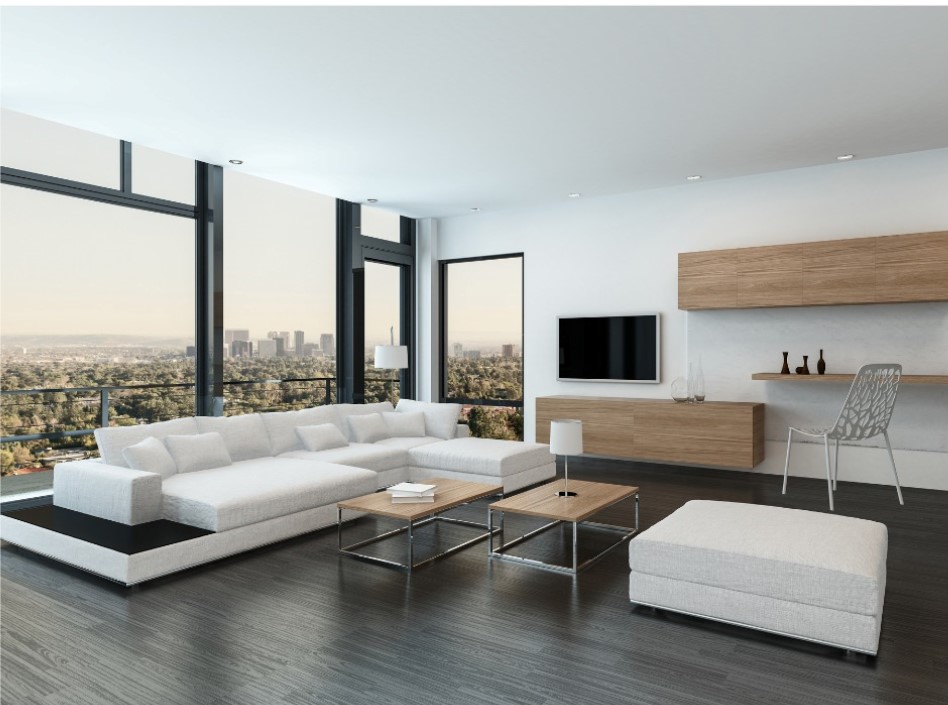
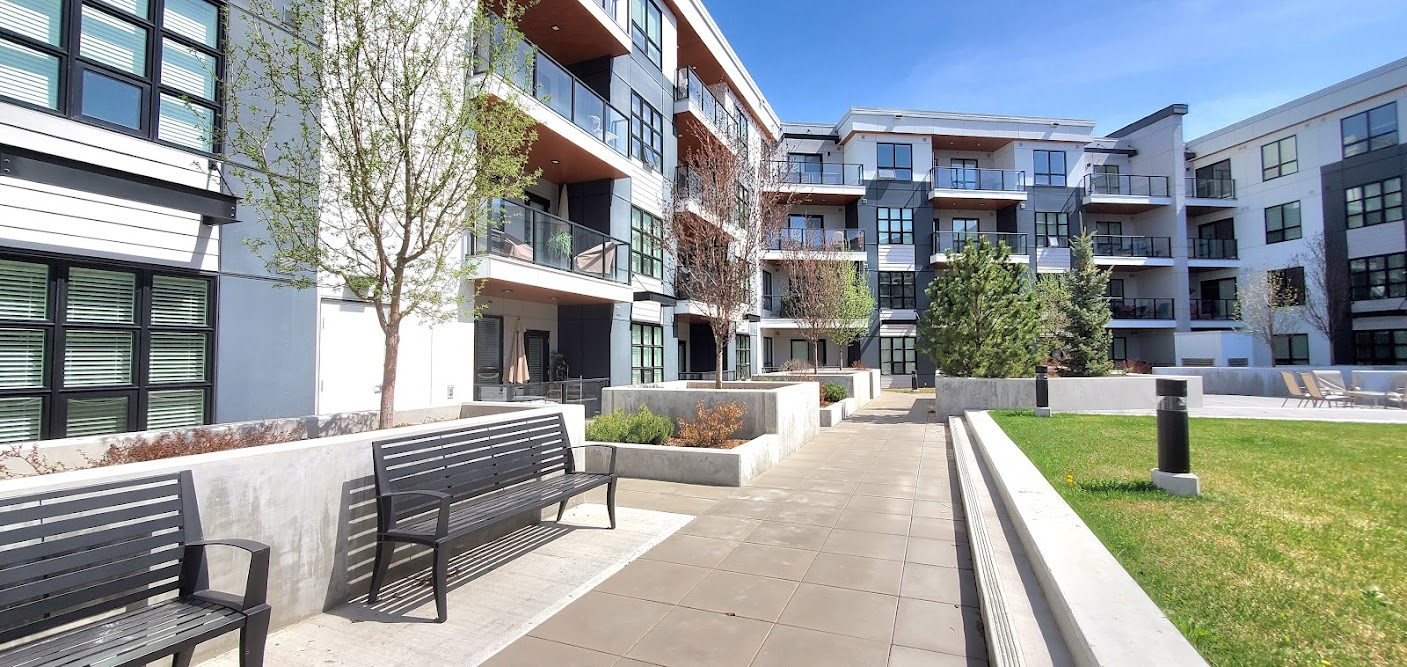
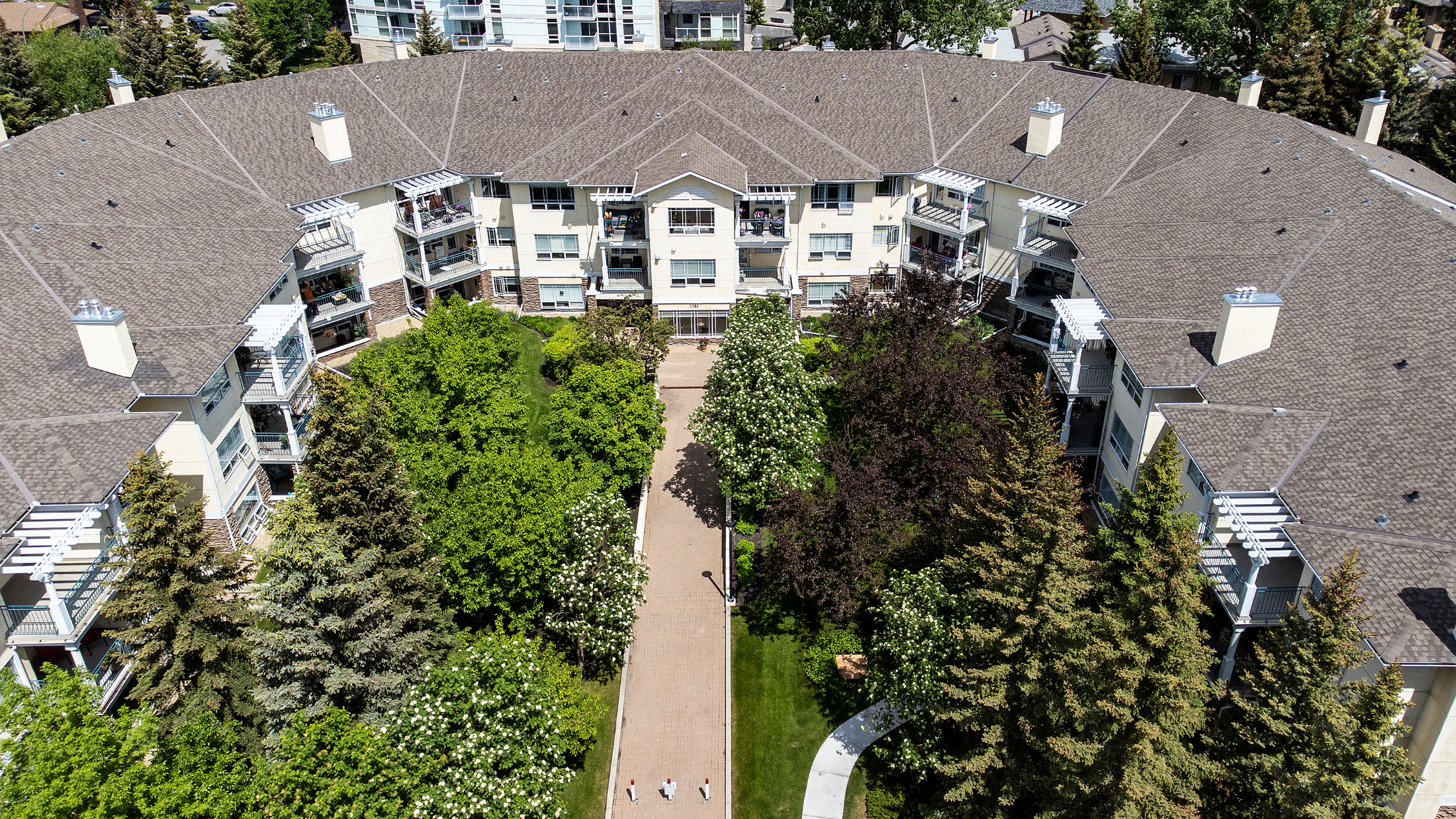
As Calgary continues to grow and evolve, condo living has emerged as a popular lifestyle choice for a wide range of residents, from first-time buyers and young professionals to retirees and real estate investors. Offering urban convenience, lower maintenance, and attractive amenities, condominiums present a compelling alternative to traditional homeownership.

If you're considering a condo in Calgary, here’s everything you need to know about the benefits, lifestyle, and important considerations.


Why Condo Living Appeals to Calgarians

Prime Locations & Accessibility

Condos are often located in highly walkable, amenity-rich neighborhoods like the Beltline, East Village, Mission, and Kensington. Whether you work downtown, love being near restaurants and shops, or want easy access to transit, condo living places you at the center of the action.


Low-Maintenance Lifestyle

Forget snow shoveling or roof repairs, condo living means less hassle. Your monthly condo fees typically cover:

  • Snow removal and landscaping

  • Exterior repairs and upkeep

  • Building insurance and amenities

This is ideal for people with busy schedules or those looking to downsize.


Amenities That Elevate Daily Living

Many Calgary condo developments include lifestyle-boosting amenities such as:

  • Fitness centers

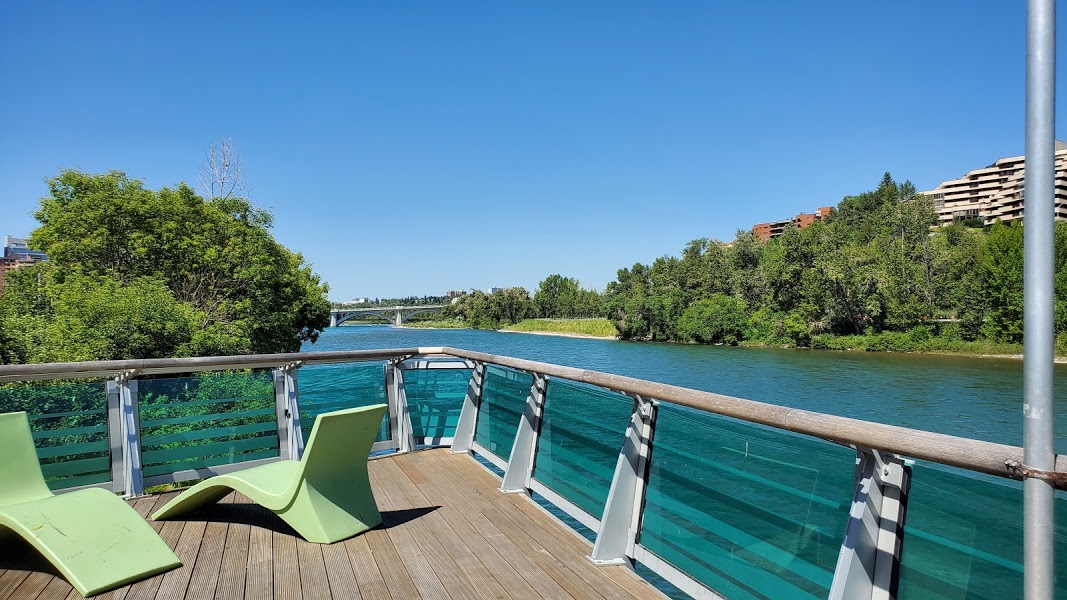
  • Rooftop patios and BBQ areas

  • Party or game rooms

  • Swimming pools and saunas

  • Concierge or security services

These features can enhance your quality of life without ever leaving the building.


Enhanced Security

Condos often come with built-in safety features, including:

  • Controlled access entry

  • Surveillance cameras

  • On-site security or concierge staff

This can be reassuring for solo residents, seniors, or frequent travelers.


Affordability and Accessibility to Homeownership

In many Calgary neighborhoods, condos are more affordable than single-family homes, making them a great option for:

  • First-time homebuyers

  • People on a budget

  • Young professionals entering the real estate market

They allow buyers to own property in desirable locations without breaking the bank.


The Social Side of Condo Living

Community Atmosphere

With shared amenities and common spaces, condo buildings naturally foster a sense of community. Many residents enjoy getting to know their neighbors and participating in organized events or condo board activities.

Great for Downsizing

Empty nesters or retirees often choose condos for:

  • Smaller, manageable living spaces

  • Proximity to urban amenities

  • Lock-and-leave convenience for travel


Condo Ownership as an Investment

Calgary’s condo market offers solid investment potential, especially in high-demand areas. Benefits include:

  • Rental income from long-term or short-term tenants

  • Appreciation over time in a rising market

  • Lower upfront costs compared to detached homes

Just be sure to review condo bylaws about rentals before investing.


Modern Living with Environmental Benefits

Many of Calgary’s newer condo buildings are designed with energy-efficient systems, green materials, and sustainable living practices. Living in a high-density area also promotes:

  • Walkability

  • Public transit use

  • Reduced commute times

This makes condos an environmentally friendly choice.


Personalization Inside Your Unit

While exterior modifications aren’t possible in condos, most allow you to customize your interior with renovations, paint, fixtures, and décor to match your taste and style.


Pros and Cons of Condo Living in Calgary

Pros⚠️ Cons
Central, walkable locationsCondo fees add to monthly costs
Less maintenance and exterior upkeepBylaws may limit pets, rentals, or renovations
Lifestyle amenities includedShared walls and common areas
Secure and safe living environmentSpecial assessments can occur
Affordable entry point into real estateLess privacy than detached homes
Community feel and social interactionNot ideal for large families or hobbyists

Things to Consider Before Buying a Condo

Before purchasing, make sure to:

  • Review condo documents, including bylaws, meeting minutes, and reserve fund studies.

  • Understand what your monthly fees cover and what they don’t.

  • Visit the neighborhood at various times of day.

  • Work with a real estate agent experienced in condos.


Is Condo Living Right for You?

Condo living in Calgary offers a vibrant, low-maintenance, and budget-friendly lifestyle. With access to top amenities, walkable neighborhoods, and a strong sense of community, condos are a smart choice for many, from young professionals and retirees to investors and downsizers. Check out these condos for sale.

Still, every lifestyle is unique. Take time to consider your goals, needs, and preferences, and explore different buildings and neighborhoods, to find the perfect fit. Call me to chat about what suits you best.

Looking for Community market stats, information, schools…

Southwest Calgary Communities

Southeast Calgary Communities

Central Calgary Communities

West Calgary Communities

Northwest Calgary Homes

Other Blogs:

Read

Choosing Natural Gas & Electricity Plans in Calgary: What You Need to Know

With Alberta’s deregulated energy market, Calgary residents have the freedom to choose their electricity and natural gas providers. While this flexibility can lead to savings and customization, it can also feel overwhelming if you're not sure where to start. This guide will walk you through how to choose the best energy plan for your needs.


Regulated vs. Competitive Retailers: What’s the Difference?

In Calgary, you have two main types of energy providers:

Regulated Rate Providers (RRO)

  • Prices fluctuate monthly based on the market.

  • Provided by companies like ENMAX for electricity and Direct Energy Regulated Services for gas.

  • Good for short-term or low-commitment users.

  • No contract required.

Competitive Retailers

  • Offer fixed, floating, or bundled rates.

  • Often include incentives, green energy options, or better customer service.

  • Require contracts (usually 1–5 years).


Electricity Plan Types

🔹 Fixed Rate

  • Pay the same price per kWh for the term of your contract.

  • Ideal if you want predictability and budget stability.

  • Good during times of market volatility.

🔹 Floating/Variable Rate

  • Tied to the Alberta Power Pool rate, which changes monthly.

  • Can be cheaper when market rates are low — but riskier when rates spike.


Natural Gas Plan Types

Similar to electricity, gas plans come in:

  • Fixed Rates: Consistent cost per GJ (Gigajoule), great for budgeting.

  • Floating Rates: Based on market rates, which can be lower, but volatile.

Natural gas prices in Alberta can spike during cold winters, so fixed-rate plans are popular during the heating season.


Things to Consider Before Choosing

1. Your Energy Usage

  • Large households or electric-heated homes may benefit more from fixed plans.

  • Seasonal usage fluctuations (e.g., AC in summer, furnace in winter) matter.

2. Contract Terms

  • Look for cancellation fees, term lengths, and automatic renewals.

  • Choose flexibility if you're planning to move.

3. Green Energy Options

  • Some retailers offer renewable electricity plans (solar or wind offset).

  • Great for eco-conscious households.

4. Customer Reviews & Service

  • Check online reviews for billing transparency, customer service, and support.

5. Bundled Offers

  • Some providers offer discounted electricity + gas bundles or include perks like smart thermostats or loyalty programs.


Common Providers in Calgary

ProviderNotable Offers
ENMAX EnergyFixed and floating rates, bundles, green options
Direct EnergyLong-term plans, rewards programs
ATCOenergyCustomizable plans, green energy add-ons
EPCORCompetitive pricing, fixed-rate options
Spot PowerMarket-indexed floating rates

Average Energy Costs in Calgary (2025)

  • Electricity: ~18–21¢/kWh (including transmission and admin fees)

  • Natural Gas: ~$5.50–$7.00/GJ (plus fixed monthly fees)

Your total monthly bill varies based on usage, plan type, and provider fees.


How to Compare Plans

Use Alberta’s official energy comparison tool:

UCA Helps

This free government tool lets you:

  • Compare electricity and gas plans

  • View provider terms and rates

  • Understand additional charges and contract details


Final Tips

  • Read the fine print on cancellation and admin fees.

  • Choose fixed rates if you prefer stable bills.

  • Consider floating rates only if you're OK with market fluctuation risks.

  • Review your plan every 12–24 months to ensure you're still getting a good deal.


Choosing the right natural gas and electricity plan in Calgary isn’t one-size-fits-all. By understanding your household’s energy usage, comfort with risk, and values (like supporting renewable energy), you can find a plan that works for your lifestyle and budget.

Southwest Calgary Communities

Southeast Calgary Communities

Central Calgary Communities

West Calgary Communities

Northwest Calgary Communities

Read

Container Gardening in Calgary: A Beginner’s Guide to Growing Green in the City

Container gardening is an excellent way to enjoy homegrown plants, herbs, and veggies in Calgary, even if you’re short on space or dealing with the city’s unpredictable climate. Whether you're living in a condo downtown or have a sunny corner in your backyard, container gardening allows you to grow beauty and nourishment with flexibility and ease.


Why Container Gardening Works in Calgary

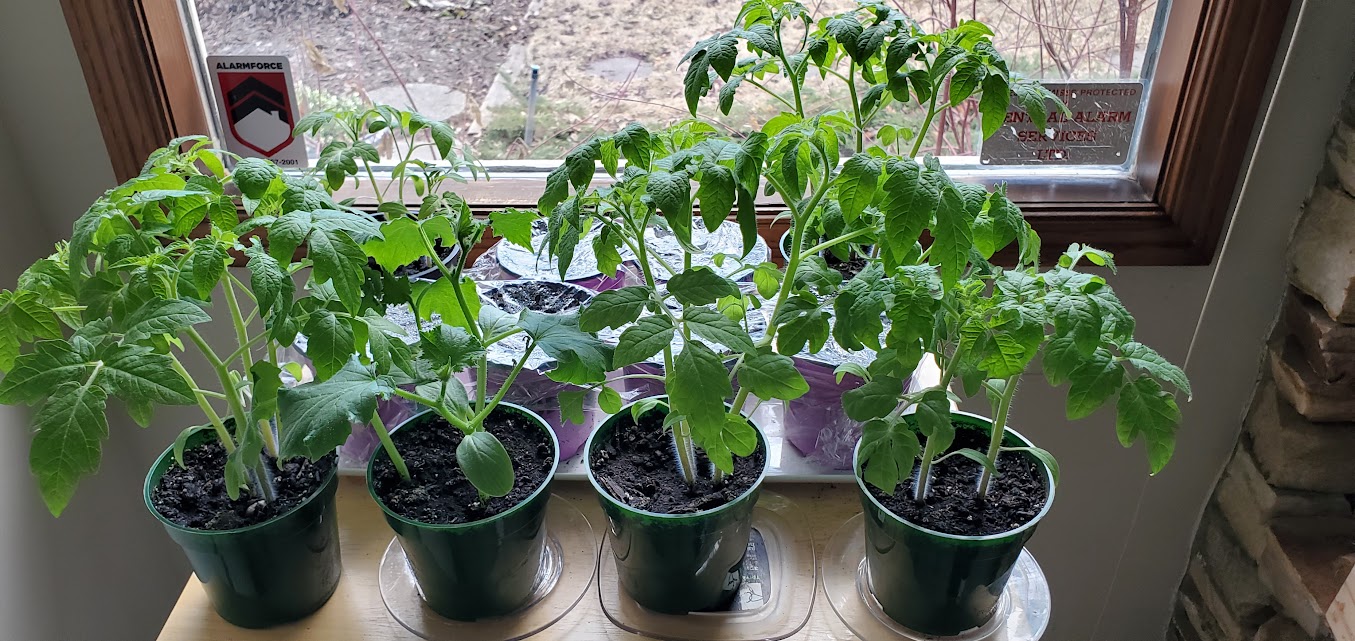
Calgary’s unique climate, marked by a short growing season, cool nights, and unpredictable weather (hello, June snow!), makes container gardening a smart and adaptable option. With containers, you can:

  • Move plants to catch optimal sunlight

  • Bring them indoors during a cold snap

  • Control soil quality and drainage

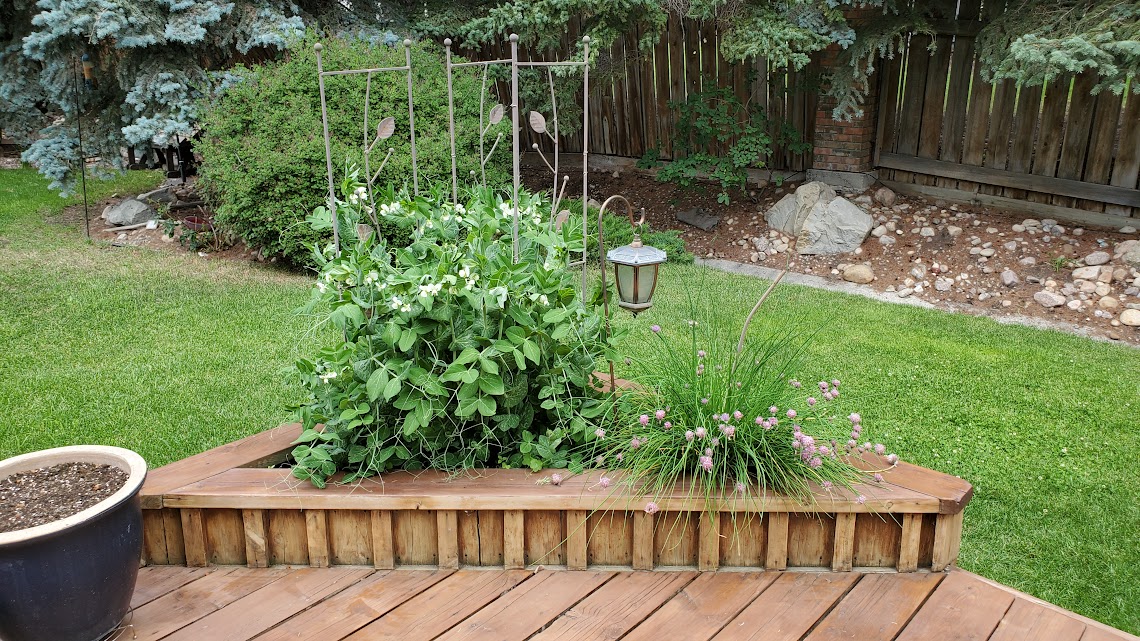
  • Grow on balconies, decks, or patios


Best Containers to Use

When choosing containers, consider:

  • Size: Larger containers retain moisture better and allow roots to grow freely.

  • Drainage: Make sure pots have drainage holes to prevent root rot.

  • Material:

    • Plastic – lightweight and retains moisture well.

    • Terracotta – great for dry-loving plants but dries out faster.

    • Fabric grow bags – breathable and lightweight, great for root development.


What to Grow in Calgary Containers

Herbs (Easy & Productive)

  • Basil

  • Mint (keep in its own container to prevent spreading)

  • Chives

  • Parsley

  • Thyme

  • Oregano

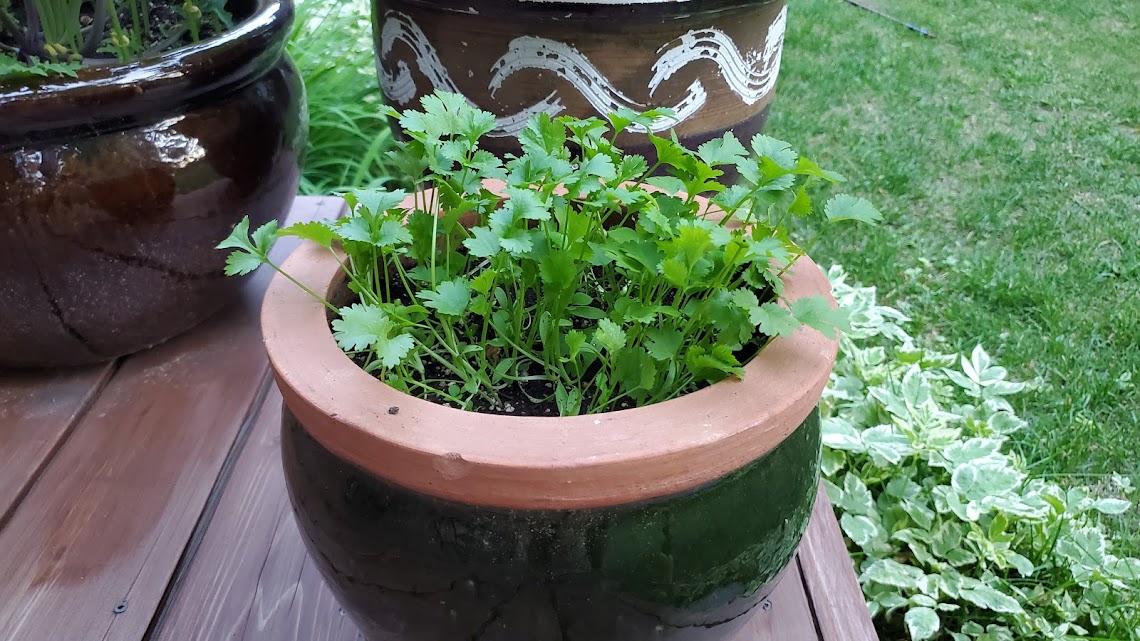
  • Cilantro

  • Rosemary

Vegetables

  • Leafy greens (lettuce, kale, spinach)

  • Radishes

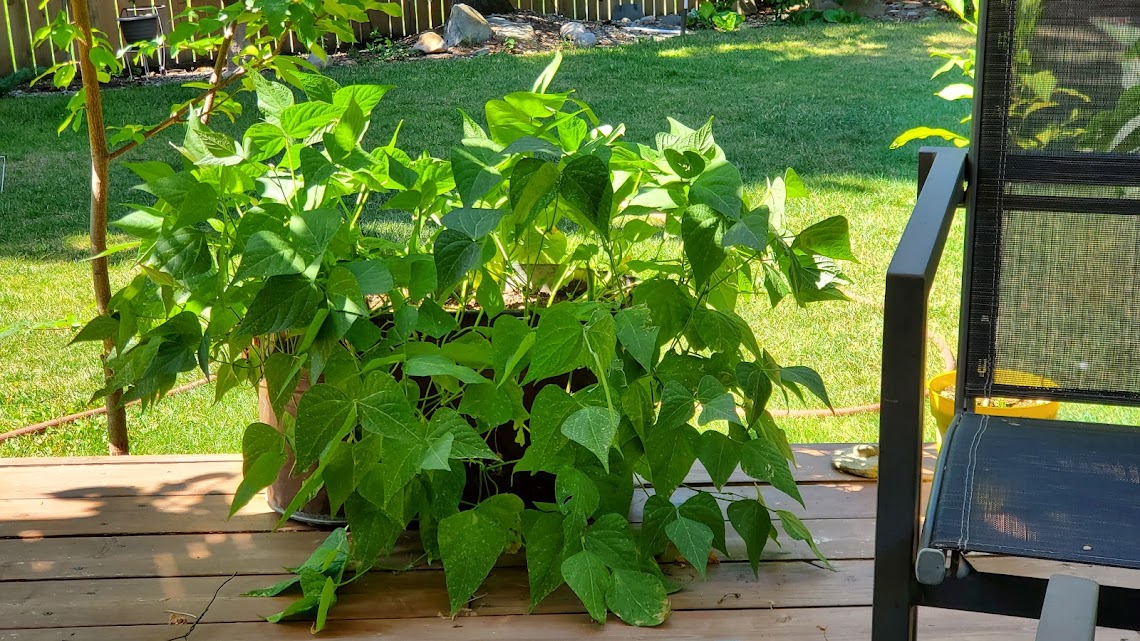
  • Beans

  • Green onions

  • Carrots (choose smaller or “baby” varieties)

  • Peas

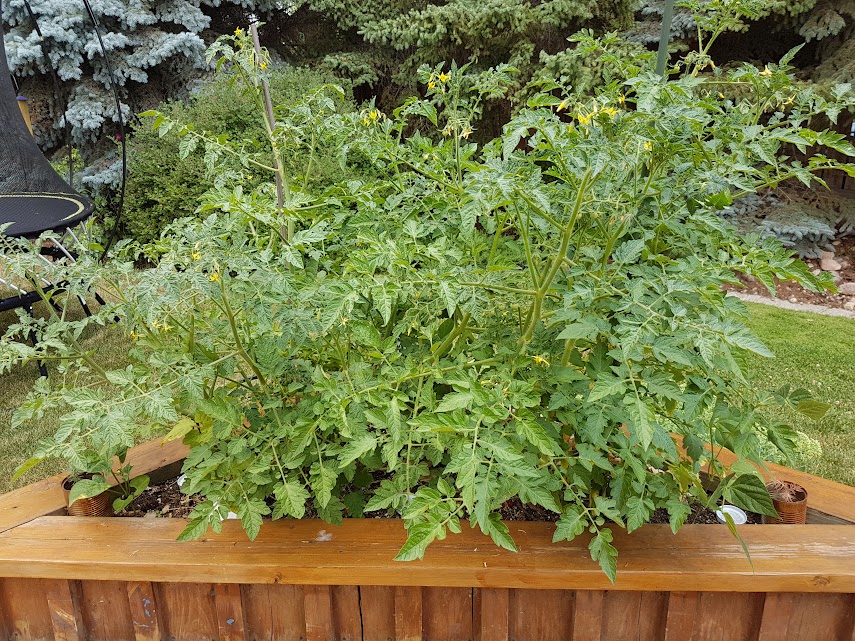
  • Tomatoes (cherry or patio varieties are best)

  • Peppers (hot and sweet)

  • Zucchini (requires a large container)

Flowers

  • Marigolds

  • Petunias

  • Geraniums

  • Snapdragons

  • Nasturtiums (edible and great for pest control)


Calgary Gardening Tips

1. Know Your Zone

Calgary is in Zone 3b to 4a, so choose hardy plants or be prepared to bring containers inside during cold spells.

2. Start with Quality Soil

Use potting mix, not garden soil, it’s lighter and drains better. Add compost or organic fertilizer for nutrients.

3. Watch the Weather

Calgary’s late spring and early fall frosts can be tough. Use:

  • Row covers or plant domes

  • Bring containers indoors or into a garage during frost warnings

  • Use black containers to absorb heat on chilly days

4. Sunlight Matters

Most veggies and herbs need at least 6–8 hours of sunlight per day. Use wheeled plant stands to chase the sun if needed.

5. Water Regularly

Containers dry out faster than in-ground gardens. Water deeply when the top inch of soil is dry. Early mornings are best.


Design Ideas for Small Spaces

  • Vertical gardening: Use stacked planters or wall-mounted pockets for herbs and flowers.

  • Rail planters: Maximize balcony space.

  • Tiered stands: Perfect for patios.

  • Hanging baskets: Grow trailing flowers or strawberries.


Pros and Cons of Container Gardening

ProsCons
Great for small spacesRequires frequent watering
Easy to manage soil qualityCan dry out quickly in heat
Portable and flexibleSome plants need large containers
Protects plants from pestsMay need more fertilizer

Container gardening in Calgary is a fun, low-commitment way to enjoy gardening despite the challenges of Chinooks, late frosts, and urban living. With the right plants, some sunlight, and regular care, you can grow an abundance of greenery and produce from your balcony, deck, or backyard.

Whether you’re growing herbs for the kitchen, flowers for beauty, or veggies for your plate, container gardening offers flexibility, productivity, and joy in every pot. Happy planting!

Looking for a particular lifestyle:

Looking for community info, market stats & schools:

About Chris Marshall Chris Marshall is an Associate Broker and REALTOR with RE/MAX House of Real Estate, serving buyers, sellers, and investors across Calgary and surrounding communities including Okotoks, Airdrie, Cochrane, Chestermere, Langdon, High River, Springbank, Priddis, Bragg Creek, and rural Rocky View, Foothills, and Wheatland Counties. A Certified Condominium Specialist with over 23 years of experience, Chris is committed to honest, client first service. Call 403 585 5362.
Other blogs:

Read

Cost of Living in Calgary

Calgary, Alberta, stands out as one of Canada's most affordable major cities, offering a high quality of life without the hefty price tag found in cities like Toronto or Vancouver. Here's a comprehensive look at the cost of living in Calgary as of 2025.

Housing Costs

Housing is a significant factor in Calgary's affordability.

  • Rent:

    • One-bedroom apartment in the city center: approximately $1,500 per month.

    • One-bedroom apartment outside the city center: around $1,200 per month.

    • Three-bedroom apartment in the city center: about $2,500 per month.

    • Three-bedroom apartment outside the city center: roughly $2,100 per month.

      Check out rentfaster.ca to find rents in the area of the city that you are interested in.

  • Home Purchase:

    • Average home price: approximately $585,000, which is significantly lower than in Toronto or Vancouver. 

    • Prices vary with the community within Calgary. Numbers sourced from CREB:

      • Average price of Detached home (April 2025): $839,000

      • Average price of Semi-Detached home (April 2025): $695,000

      • Average price of Row/Townhome (April 2025): $487,000

      • Average price of Condo Apartment (April 2025): $367,000

Cost of Living in Calgary

Utilities

Monthly utility costs can vary based on usage and property size:

  • Electricity, Heating, Cooling, Water, Garbage: Between $250 and $400.

  • Internet/TV: Approximately $80 to $200, depending on the provider and speed.

Cost of Living in Calgary

Groceries

Grocery expenses in Calgary are moderate:

  • Monthly grocery bill for one person: Around $400 to $600.

  • Common item prices:

    • Milk (1 liter): $2.31

    • Bread (500g): $ 2.95

    • Eggs (12): $5.18

    • Chicken (1 kg): $14.28

City of Calgary Golf, Cost of Living in Calgary

Transportation

Calgary's transportation costs are reasonable:

  • Public Transit:

    • Monthly pass: $112

    • One-way ticket: $3.60

  • Gasoline: Approximately 1.60 per liter.

  • Car Insurance: Ranges from $100 to $400 per month, depending on various factors such as:

    • Age of driver

    • Value of vehicle

    • Driver’s record

    • Multiple vehicle discounts

Cost of Living in Calgary

Dining and Entertainment

Calgary offers a diverse culinary scene and entertainment options:

  • Dining Out:

    • Casual meal: $20 to $30

    • Three-course meal at a mid-range restaurant: $100 for two people

  • Entertainment:

    • Movie ticket: $15 to $18

    • Monthly gym membership: $60 to $80

Cost of Living in Calgary

Healthcare

Alberta's healthcare system covers many services:

  • Basic healthcare: Covered under the Alberta Health Care Insurance Plan.

  • Additional health expenses (e.g., dental, prescription drugs): May require private insurance, costing between $70 and $100 per month.

Cost of Living in Calgary

Childcare and Education

For families, childcare and education are essential considerations:

  • Childcare:

    • Daycare fees: $1,000 to $1,300 per month per child.

  • Education:

    • Public schools: Free for residents.

    • Private schools: Tuition ranges from $15,000 to $25,000 annually.

    • Post-secondary tuition: Approximately $7,000 to $9,000 per year for domestic

Cost of Living in Calgary

Income and Salaries

Understanding income levels helps contextualize living costs:

  • Average monthly income for a single individual: Approximately $4,500.

  • Combined household income for families: Ranges from $7,500 to $10,000.

  • Comfortable annual salary: Generally considered to be between $80,000 and $100,000.


Summary Table

Expense CategoryEstimated Monthly Cost
Housing (1-bedroom)CAD 1,200 – CAD 1,500
UtilitiesCAD 250 – CAD 350
GroceriesCAD 400 – CAD 600
TransportationCAD 112 – CAD 200
Dining OutCAD 200 – CAD 400
Healthcare InsuranceCAD 70 – CAD 100
Childcare (per child)CAD 1,000 – CAD 1,300
Total (Single)CAD 3,000 – CAD 4,200
Total (Family of 4)CAD 6,500 – CAD 8,500
Cost of living in Calgary

Calgary offers a balanced lifestyle with its combination of affordability, economic opportunities, and high living standards. While certain expenses like childcare and utilities can be significant, the overall cost of living remains manageable, especially when compared to other major Canadian cities. Whether you're a single professional or a growing family, Calgary presents a compelling option for those seeking both quality of life and economic viability.

Southwest Calgary Communities

Southeast Calgary Communities

Central Calgary Communities

West Calgary Communities

Northwest Calgary Communities

Investment Homes in Calgary and Area

Other Blogs:

Read

Pergola vs. Gazebo: Which Outdoor Structure Is Right for Your Backyard?

As outdoor living becomes a top priority for homeowners, adding a structure like a pergola or gazebo can completely transform your yard. Both offer shade, style, and function, but which one is best for your lifestyle, space, and budget?

Whether you want to create a cozy retreat, a stunning entertaining area, or boost your home’s resale value, looking at the pros and cons between pergolas and gazebos will help you make the right decision.


What Is a Pergola?

A pergola is an open, roofed structure typically consisting of vertical posts supporting a grid of beams or slats. While it offers partial shade, it maintains an open-air feel, often used to define outdoor rooms or transition areas in the landscape.

Pros:

  • Modern, customizable design

  • Great for patios, decks, or garden walkways

  • Perfect base for climbing plants or outdoor lights

  • More affordable and flexible than gazebos

  • Enhances open, airy spaces without enclosing them

Cons:

  • Minimal protection from rain or snow (unless covered)

  • Less privacy than enclosed structures

  • Not ideal for year-round shelter unless modified

gazebo or pergola

What Is a Gazebo?

A gazebo is a freestanding, covered structure with a solid roof and open or partially enclosed sides. Typically round, hexagonal, or octagonal in shape, gazebos create a sheltered space ideal for dining, relaxing, or hot tubs.

Pros:

  • Full shade and rain protection

  • Great for hosting or dining outdoors

  • Can be screened in for privacy or bug protection

  • Adds a traditional, elegant focal point to larger yards

Cons:

  • Higher cost and more complex installation

  • Requires more space (not ideal for very small yards)

  • May block views or light in compact areas

gazebo or pergola

Which One Adds More Property Value?

Both pergolas and gazebos can increase your home’s curb appeal and property value, but in different ways.

Pergola:

  • Adds definition and style to your outdoor space

  • Appeals to modern buyers who value design-forward outdoor living

  • Typically costs less, making the ROI (return on investment) higher for many homeowners

  • Can be upgraded with a retractable canopy, lighting, or curtains

Gazebo:

  • Seen as a premium feature, especially if enclosed or wired for electricity

  • Great selling point for buyers seeking all-weather use - particularly if mosquitos are an issue.

  • Larger investment with more impact in larger or estate-style properties

  • Custom gazebos may significantly enhance appraised value

gazebo or pergola

Style & Use: What Suits Your Lifestyle?

FeaturePergolaGazebo
ShadePartial (can be upgraded)Full
Rain/Snow ShelterMinimal (unless covered)Excellent
PrivacyLow to medium (can add drapes)Medium to high (can be enclosed)
StyleModern, minimalistTraditional, cozy
Installation CostLowerHigher
Best ForDecks, patios, small yardsOpen lawns, large backyards
Value BoostStrong ROI for the priceHigh-end, standout feature
gazebo or pergola

The Final Verdict: Pergola or Gazebo?

  • Choose a Pergola if: You want a stylish, budget-friendly structure to enhance your patio or deck with a modern look and partial shade.

  • Choose a Gazebo if: You have the space and budget for a fully covered, all-weather retreat that adds elegance and a standout feature to your landscape.

Either way, both structures elevate your outdoor space and add functional beauty, making your yard not just a place to look at, but one to live in.

gazebo or pergola

No matter what you choose, integrating lighting, comfortable furniture, and landscaping will maximize the visual appeal, and increase buyer interest if you ever sell.

Looking for a particular lifestyle:

Looking for community info, market stats & schools:

About Chris Marshall Chris Marshall is an Associate Broker and REALTOR with RE/MAX House of Real Estate, serving buyers, sellers, and investors across Calgary and surrounding communities including Okotoks, Airdrie, Cochrane, Chestermere, Langdon, High River, Springbank, Priddis, Bragg Creek, and rural Rocky View, Foothills, and Wheatland Counties. A Certified Condominium Specialist with over 23 years of experience, Chris is committed to honest, client first service. Call 403 585 5362.

Read

How to Create Privacy in Your Backyard

Whether you're sipping your morning coffee on the deck or hosting a summer barbecue, privacy in your backyard can make all the difference. In busy neighborhoods or tightly packed communities, it's natural to crave a more secluded, peaceful outdoor space, somewhere to unwind, recharge, and feel at home.

The good news? You don’t need towering fences or a massive yard to create it. With smart planning and the right design elements, you can transform your backyard into a private oasis, beautiful, functional, and uniquely yours.


1. Use Vertical Landscaping for Natural Screens

Trees and tall shrubs are one of the most attractive and effective ways to create backyard privacy.

  • Columnar trees like Swedish Columnar Aspen, Taylor Juniper, or Purple Spire Crabapple for narrow spaces.

  • Evergreens such as Skyrocket Juniper or Weeping White Spruce for year-round coverage.

  • Layered plantings with shrubs, grasses, and perennials to soften fence lines and block views.

Native and drought-tolerant trees thrive in Calgary’s climate and reduce maintenance.

backyard privacy

2. Install Decorative Fencing or Screens

Standard fences offer basic coverage, but decorative solutions elevate both privacy and style.

  • Slatted wood or cedar fences (modern and warm)

  • Lattice panels with climbing vines (like clematis or Virginia creeper)

  • Metal or composite privacy screens with cut-out designs. Check out Hideaway Screens for a beautiful selection.

These elements can serve as feature walls, windbreaks, or visual anchors for seating areas.

backyard privacy Calgary

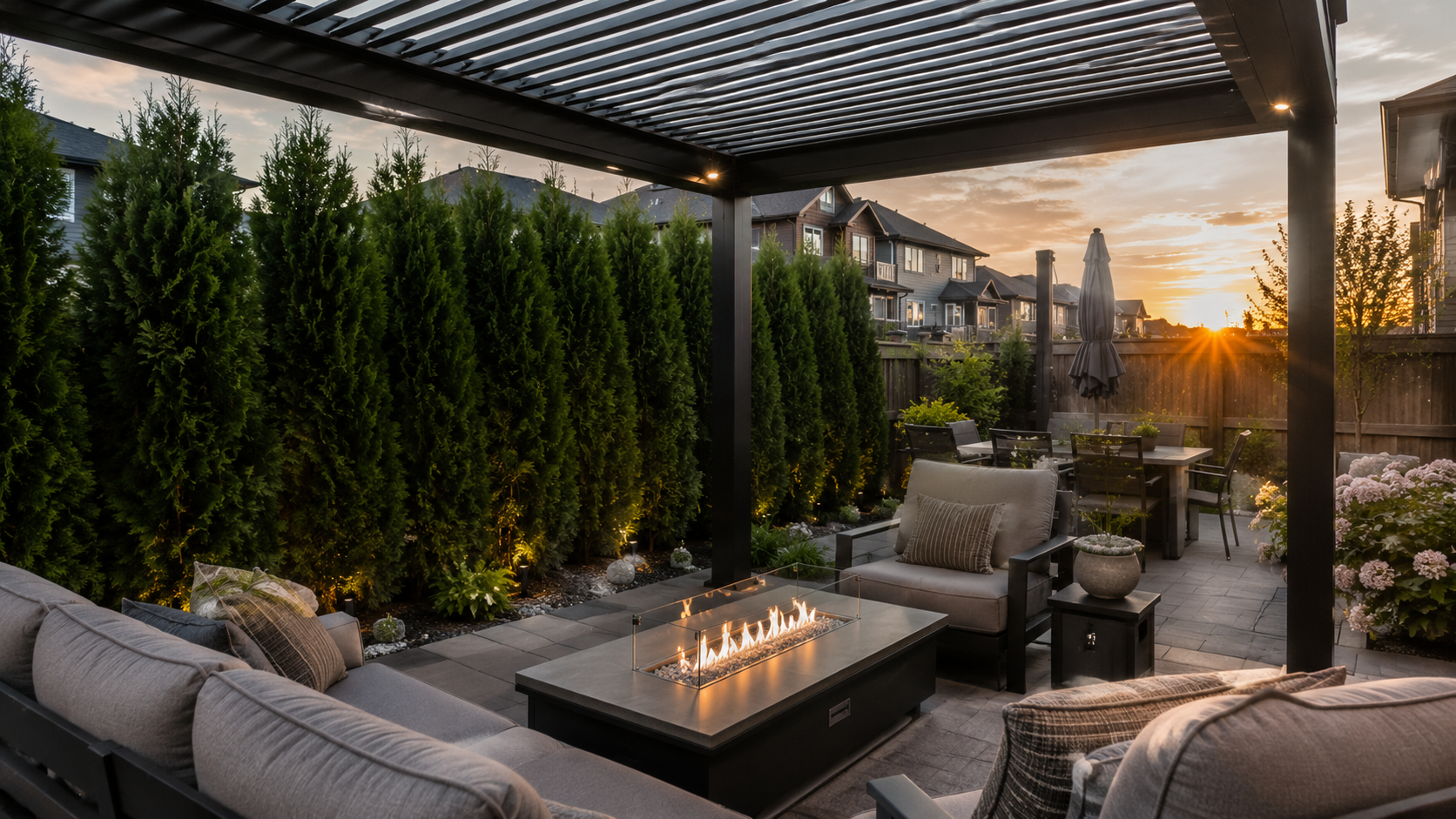
3. Create Cozy Zones with Pergolas or Arbors

Pergolas and arbors don’t just add architectural interest—they also provide partial shelter and seclusion when paired with:

  • Draped outdoor curtains

  • Hanging plants or lights

  • Climbing greenery like honeysuckle or hops

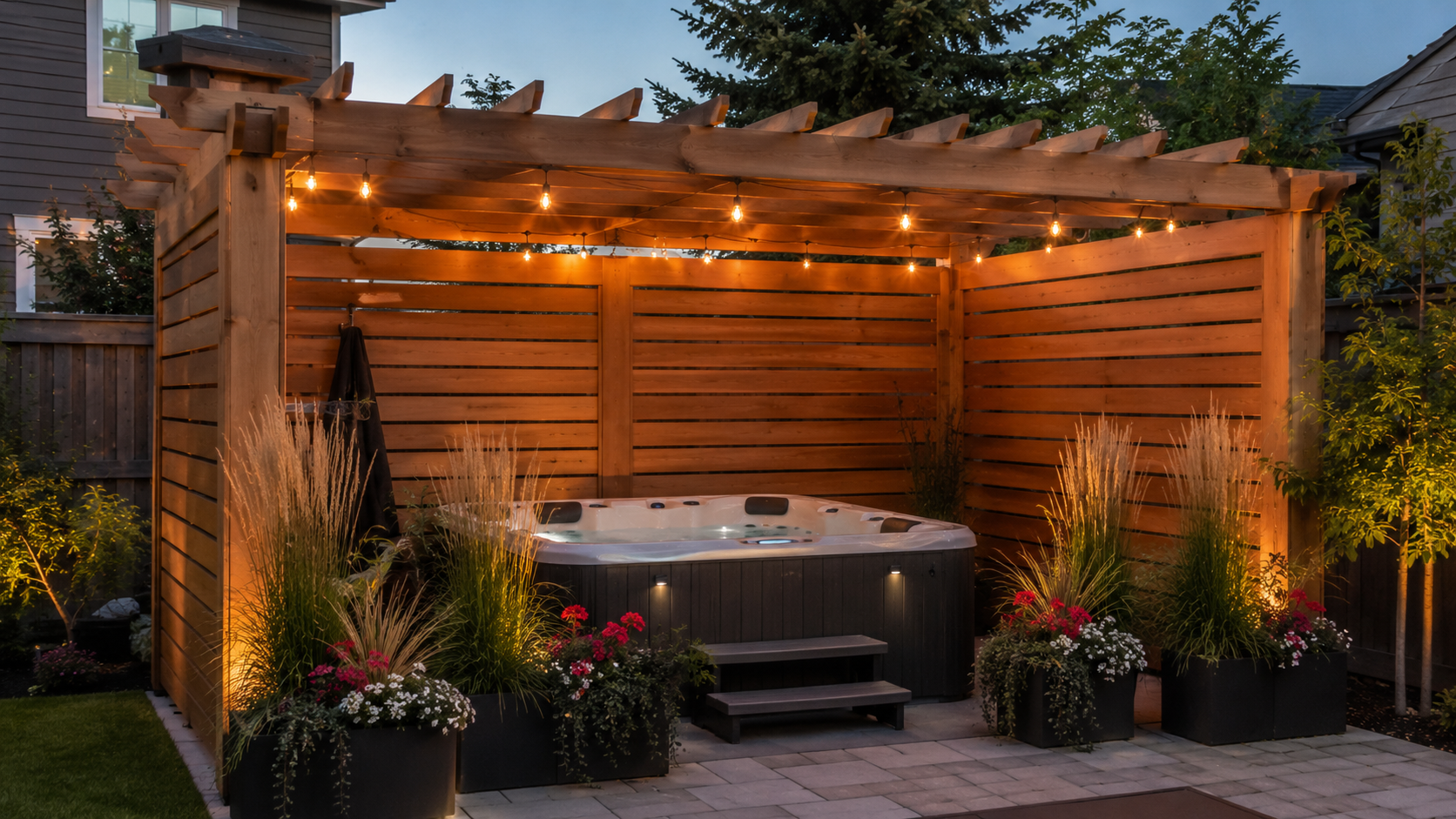
They’re ideal for patios, hot tubs, or outdoor dining nooks.

backyard privacy

4. Add Height with Raised Planters or Privacy Walls

If you’re short on planting space, build up instead of out.

  • Raised planters with tall ornamental grasses or bamboo alternatives (like Karl Foerster grass) create instant privacy.

  • Living walls (vertical gardens) add greenery without taking up floor space.

These work especially well on balconies, decks, or in narrow side yards.

backyard privacy

5. Don’t Forget Sound & Light Privacy

Privacy isn’t just visual, it’s also about reducing noise and maintaining ambiance.

  • Water features like fountains or bubbling urns help mask street noise.

  • Strategic lighting (low and warm) keeps your space cozy without spotlighting it to neighbors.

  • Noise Barrier fencing is also an option. Check out Tahm Enterprises local to Calgary.

  • Use outdoor rugs, cushions, or hedges to absorb sound and create a soft, tranquil feel.

backyard privacy Calgary

6. Mix and Match for the Best Results

No one element works alone, combine plantings, hardscaping, and soft features to make your yard feel enclosed yet open.

  • A corner seating area with a pergola overhead, lattice behind, and columnar trees along the side gives all-around protection without walls.

  • A row of upright evergreens combined with a low fence creates privacy without making the space feel boxed in.

backyard privacy Calgary

Final Tips for a More Private Backyard:

  • Check local bylaws for fence height or tree placement rules.

  • Plant strategically—focus on sightlines from windows, patios, or neighboring decks.

  • Start with one area, like your main seating or dining space, and build out from there.

backyard privacy

Your Private Backyard Awaits

Privacy doesn’t have to mean isolation. By layering greenery, structure, and thoughtful design, you can carve out peaceful, private corners in your yard, spaces that feel like an extension of your home. Whether you're reading, entertaining, or just soaking up the sun, your backyard should feel like yours.

Search Calgary Homes with Large Backyards

Acreage Homes Around Calgary

backyard privacy

Updated to add:

Creating a truly private and beautiful backyard in Calgary takes a layered approach. The ideas above give you a strong foundation. The sections below go deeper into some of the most practical and popular additions Calgary homeowners are making right now, from choosing plants that actually thrive in Alberta winters through to creating privacy around hot tubs, managing our notorious Chinook winds, and understanding what all of this means for your home's resale value.

The Best Privacy Plants for Calgary Backyards

Choosing the right plants for a Calgary privacy screen is not the same as choosing plants for Vancouver or Toronto. Our climate is genuinely challenging, with cold winters, freeze thaw cycles driven by Chinooks, hot and dry summers, and alkaline soils in many parts of the city. The good news is that several excellent species thrive here and will give you a beautiful, effective natural privacy screen with proper planting and care.

Swedish Columnar Aspen

The Swedish columnar aspen is one of the most widely used privacy trees in Calgary for good reason. It grows tall and narrow, rarely exceeding one to one and a half metres in width while reaching six to nine metres in height, making it ideal for fence lines, side yards, and narrow spaces between properties. It establishes quickly and tolerates Calgary's soil and climate well. The downside is that it is deciduous, so it provides privacy only through the growing season from roughly May through October. For year round screening, combine aspens with evergreen species.

Spacing Tip:  Plant Swedish columnar aspens roughly one metre apart for a solid screen within three to four years. Planting too close will create competition and crowding over time. For immediate effect while waiting for smaller trees to mature, use potted columnar ornamental grasses to fill the gaps in the first season or two.

Tower Poplar

Tower poplars are similar in form to Swedish aspens but larger and longer lived. They grow to twelve metres or more and maintain a tight columnar shape throughout their life. They are extremely hardy in Alberta and establish quickly, making them one of the fastest paths to a tall natural screen. Like aspens, they are deciduous and best combined with evergreen species for year round coverage.

Holmstrup Cedar (Arborvitae)

For year round privacy, the Holmstrup cedar is the top choice in Calgary. It is one of the hardiest cedar cultivars available and grows into a dense, pyramidal evergreen column of two to three metres at maturity. The dense foliage provides excellent privacy screening in all four seasons. Cedars prefer moist, well drained soil and some protection from the harshest west winds. Note that cedars can be finicky in Calgary compared to coastal climates and may need supplemental watering in summer and burlap protection in their first two winters to establish well.

We have a couple of neighbours that have the most beautiful cedar trees, it is doable in Calgary.

Cedar Spacing Note:  Plant Holmstrup cedars no closer than one metre apart. Planting too close creates permanent bare patches on shaded interior branches as the trees mature. The gap will actually close faster if you give them adequate room to develop healthy foliage all the way to the base.

Wichita Blue Juniper

The Wichita Blue Juniper offers a striking steel blue colour that provides year round privacy with a modern, architectural look. It grows to roughly four and a half metres tall with a two metre spread and is genuinely drought tolerant once established, making it excellent for Calgary's hot and often dry summers. Junipers are also more wind tolerant than cedars, which is an important consideration in exposed yards and outer ring Calgary communities where wind can be a real factor.

Columnar Blue Spruce

For a larger statement evergreen that provides dense year round screening, the columnar blue spruce grows slowly but can reach six metres or more with a compact two metre width. The striking blue foliage adds colour contrast to the landscape and the dense branching structure provides excellent visual screening even in winter. Because of their slow growth, columnar spruce are best used in combination with faster growing deciduous species that provide interim screening while the spruce mature.

Caragana (Siberian Pea Shrub)

Caragana is one of the most reliably hardy shrubs in Alberta and makes an excellent informal privacy hedge. It tolerates virtually any soil condition, drought, wind, and cold. It grows quickly and can be maintained at two to three metres with annual trimming or left to grow into a dense multi stemmed screen of four metres or more. Caragana produces bright yellow flowers in late spring and its dense twiggy structure provides reasonable screening even after leaf drop. It is an excellent lower cost option for establishing a living fence along property lines in exposed Calgary locations. (although some Calgarians will call the Caragana a weed)

Climbing Vines on Existing Fences

If you already have a fence and simply want to soften it, add height, or fill gaps, climbing vines are a fast and affordable solution. Clematis is one of the most popular climbing plants in Calgary and produces stunning flowers through summer. Virginia creeper grows vigorously and provides dense leafy coverage through the growing season with brilliant fall colour. Hops is another fast growing climber that thrives in Calgary and can cover a lattice panel or fence section in a single season. All are deciduous, so they provide seasonal rather than year round screening.


Managing Calgary's Wind: Privacy and Shelter Together

Any Calgary homeowner who has tried to enjoy a patio on a breezy spring or fall afternoon knows that privacy and wind protection are often the same challenge. Our prevailing winds tend to come from the west and southwest, and Chinook events can send powerful warm gusts through yards that would otherwise be completely private.

The good news is that the same solutions that create visual privacy also reduce wind, and some privacy structures actually work better as windbreaks than solid fences do.

Why Solid Fences Are Not Always the Best Windbreak

A solid fence stops the wind abruptly at its surface, which creates turbulence on the sheltered side rather than calm. A fence or hedge that filters rather than blocks the wind, allowing roughly 50 percent of air to pass through, actually creates a much calmer zone on the protected side and extends that calm zone further into the yard.

Lattice panels, louvered screens, open slat fencing, and dense hedgerows all work better as windbreaks than a solid board fence. If wind is a significant issue in your yard, consider this when choosing your privacy structures.

Louvered Pergola Panels

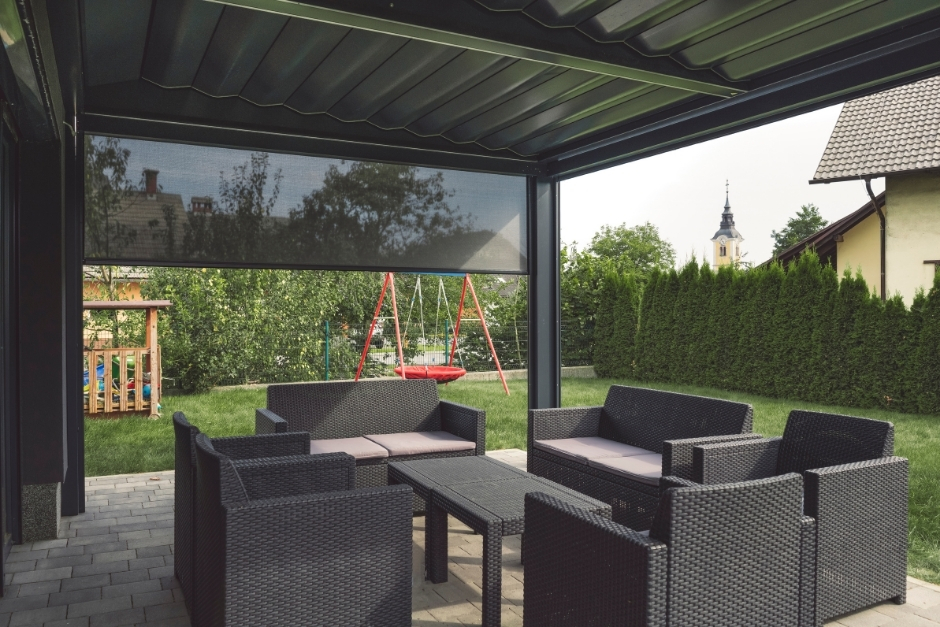
A motorized or manually adjustable louvered pergola allows you to control both light and wind direction in real time. Closing the louvers on the windward side of a pergola on a gusty Chinook day instantly creates a sheltered microclimate on your patio. Open the same louvers on a calm sunny afternoon for maximum light and airflow. Companies offering louvered pergola systems have expanded significantly in Calgary in recent years and a growing number of local landscaping and outdoor living contractors install them.

Strategic Planting for Wind Reduction

A row of caragana or columnar aspens planted on the prevailing wind side of your yard does double duty as both a visual screen and a wind filter. Trees and shrubs are particularly effective windbreaks because their mass and irregular surface break up the wind rather than simply redirecting it. A mixed planting of different species heights creates the most effective and natural looking wind filter while also providing privacy screening across a range of sightlines.

Wind Direction Tip:  Before placing any privacy structure or hedge, spend a few evenings in your yard noting where the wind consistently comes from and where the strongest gusts originate. In most Calgary communities, the prevailing wind comes from the west or southwest. In areas near the mountains or Nose Hill, local terrain features can change this significantly. Plant your windbreak on the windward side and your seating area will thank you.

Privacy for Hot Tubs, Pools, and Outdoor Showers in Calgary

Hot tubs are one of the most popular backyard additions in Calgary, and for good reason. A hot tub is at its best when you feel genuinely private and sheltered, which means that a thoughtful privacy enclosure is as important as the tub itself.

Three Sided Enclosure with Open Pergola

The most popular hot tub privacy solution in Calgary is a three sided enclosure using cedar or composite privacy screens on the fence sides and a pergola overhead. The three sided design allows easy access on one side while blocking the sightlines from neighbouring windows and elevated decks on the other three. A pergola overhead completes the sense of enclosure without creating a fully closed structure that would require a building permit.

This design works particularly well when the open side faces the home, giving you a clear path from the back door to the tub while the enclosed sides face the property boundaries. Add an outdoor curtain on the open side for complete privacy on those occasions when you want it.

Elevated Neighbour Windows: The Overlooked Problem

One of the most common privacy complaints from Calgary hot tub owners is not from ground level neighbours but from second storey windows in adjacent homes. This is particularly common in newer Calgary communities where homes are built close together on narrow lots. A pergola or covered structure overhead addresses this sightline in a way that fence extensions and hedges simply cannot.

If a neighbour's second storey window looks directly down into your hot tub or patio area, your privacy solution must include a horizontal element, either a pergola, shade sail, or louvered overhead panel, to provide effective screening.

Building Permit Note:  In Calgary, structures attached to the home or that exceed certain dimensions may require a development permit from the City of Calgary. Freestanding pergolas and screen panels are generally exempt, but any structure with a solid roof that increases the covered area of your property may need approval. When in doubt, contact the City of Calgary Development Authority or ask your landscaping contractor before beginning work.

Privacy Screens

Tall privacy screens placed strategically around the perimeter provide both visual privacy and wind shelter, extending the usable season into spring and fall. Composite or metal screens with decorative cutout patterns are popular in Calgary for this application because they are low maintenance, durable through freeze thaw cycles, and visually striking. Ensuring that they are secure in order to stand up to wind will be important.

Combine screens with container plantings of ornamental grasses or columnar cedars for a layered, polished look.

What Buyers Notice

  • Whether they feel watched from neighbouring windows or decks while standing in the yard

  • Whether the outdoor space feels like an extension of the home or an exposed afterthought

  • The maturity and quality of trees and plantings

  • Whether a pergola, gazebo, or overhead structure creates a defined outdoor room

  • The quality and condition of fencing

  • Whether a hot tub or outdoor living area feels genuinely usable and sheltered

What Delivers the Best Return

Not every privacy improvement delivers equal return on investment. The highest value improvements are those that are immediately visible, permanent, and that enhance the overall lifestyle appeal of the outdoor space. A well constructed pergola with quality cedar or composite screens, mature columnar trees along the fence line, and thoughtful lighting consistently generate strong buyer interest and positive comments during showings.

Lower value improvements are those that look temporary, require ongoing maintenance that buyers will inherit, or that address privacy in a way that also makes the yard feel smaller or more enclosed than it needs to. The goal is privacy that feels relaxed and natural, not fortified.


Looking for a particular lifestyle:

Looking for community info, market stats & schools:

About Chris Marshall Chris Marshall is an Associate Broker and REALTOR with RE/MAX House of Real Estate, serving buyers, sellers, and investors across Calgary and surrounding communities including Okotoks, Airdrie, Cochrane, Chestermere, Langdon, High River, Springbank, Priddis, Bragg Creek, and rural Rocky View, Foothills, and Wheatland Counties. A Certified Condominium Specialist with over 23 years of experience, Chris is committed to honest, client first service. Call 403 585 5362.

Read

APRIL 2025 CALGARY AND REGION REAL ESTATE MARKET REPORTS

April Real Estate Update 

New listings higher this April, pushing inventory to 5,876 units - more than double last year’s unusually low levels and in line with typical seasonal trends. Home sales hit 2,236 units, down 22% from last year but still consistent with long-term April averages.

“Despite economic uncertainty, sales remain stronger than pre-pandemic levels thanks to stable employment, past migration gains, and improved supply,” says Ann-Marie Lurie, Chief Economist at CREB®.

With nearly three months of inventory, the market has shifted to balanced conditions—though lower-priced detached and semi-detached homes still face tight supply. Meanwhile, apartment and row homes are showing more balance.

Home prices have held steady month-over-month. Compared to last year:

✔️ Detached & semi-detached: +2%

✔️ Apartment & row homes: ~unchanged

Data sourced from Calgary Real Estate Board.

Any questions about real estate, give me a call
📱403-585-5362

Looking for Community market stats, information, schools…

Southwest Calgary Communities

Southeast Calgary Communities

Central Calgary Communities

West Calgary Communities

Northwest Calgary Homes

Calgary Parks

Read

How to Organize Your Garage (and Actually Keep It That Way)

For many homeowners, the garage becomes the "catch-all" for everything, tools, sports gear, seasonal décor, and random items without a home. Over time, clutter takes over, making it hard to find anything or even park a car inside.
Good news: an organized garage is possible, and it can even become one of the most efficient spaces in your home.

Here’s a step-by-step guide to organizing your garage for good:


1. Set Aside a Full Day (or Weekend)

Garage organization isn’t a 30-minute project. Block out enough time to tackle it properly. If possible, recruit family members to help.


2. Empty Everything Out

Take everything out of the garage. Yes, everything.
This gives you a clean slate and a clear view of your space (and forces you to deal with every item).

·         If this is far too overwhelming or you can not dedicate an entire day start with these 3 steps:

o   Take a trash bag and get rid of all of the trash, anything that is broken

o   Get a box/bag and go through the entire garage looking for all things you can donate

o   Next, is there anything that you can sell on Kijiji or FB Marketplace


3. Sort Items into Categories

As you remove items, group them into categories:

  • Tools

  • Sporting equipment

  • Lawn and garden supplies

  • Holiday decorations

  • Automotive supplies

  • Donate/Sell/Trash pile

Organize my Garage

4. Purge Ruthlessly

Be honest about what you really need.
Ask yourself:

  • Have I used this in the last year? Can I live without it?

  • Will I realistically use it in the future?

  • Is it broken or missing parts?

Donate or sell usable items. Trash anything broken or unsafe.

The City of Calgary has free Community cleanup days throughout Calgary communities to drop off items that are too big or don’t belong in the black garbage bin. Check their site for locations, dates, and what you can / can’t drop off. 

The City of Calgary also has drop offs all year for hazardous wastes, such as paint, propane tanks, garden chemicals, automotive fluids. Check their site for locations and clarification on what you can drop off.

Organize my Garage

5. Plan Your Space

Think about how you want to use your garage:

  • Parking your car?

  • Workshop space?

  • Sports storage?

Assign areas for different zones (tools, garden, sports, etc.) to keep similar items together.

Organize my Garage

6. Invest in Storage Solutions

Maximize vertical and overhead space to keep the floor clear:

Snap together plastic shelving is inexpensive and makes a big difference.

Wall-mounted shelving: Great for bins, paint cans, and small equipment.
Pegboards: Perfect for tools, easy to see and grab.
Hooks and racks: Hang bikes, ladders, hoses, and garden tools.
Storage bins: Use clear, labeled bins for seasonal decorations, camping gear, and smaller items.
Overhead storage: Install ceiling racks for seldom-used items (like holiday decorations).

Organize my Garage

7. Label Everything

Clearly label bins, drawers, and shelves.
The easier it is to find (and put away) items, the more likely you are to stay organized.


8. Create a Maintenance Habit

Once your garage is organized, spend 10–15 minutes each month doing a quick tidy-up:

  • Sweep the floor (or vacuum with a shop vac for less dust)

  • Put items back in place

  • Get rid of anything you no longer need

A little regular maintenance prevents the garage from becoming overwhelming again.

Organize my Garage

Organizing your garage can feel like a big task, but it’s 100% worth it.

Clutter = Stress.

You'll save time, protect your belongings, and maybe even rediscover space you forgot you had.

Other resources:

Declutter your home

Deck Maintenance

Boost Curb Appeal

Get my House Ready to Sell

Protect your home from Spring Melt

Looking for a particular lifestyle:

Looking for community info, market stats & schools:

About Chris Marshall Chris Marshall is an Associate Broker and REALTOR with RE/MAX House of Real Estate, serving buyers, sellers, and investors across Calgary and surrounding communities including Okotoks, Airdrie, Cochrane, Chestermere, Langdon, High River, Springbank, Priddis, Bragg Creek, and rural Rocky View, Foothills, and Wheatland Counties. A Certified Condominium Specialist with over 23 years of experience, Chris is committed to honest, client first service. Call 403 585 5362.
Other blogs:

Read

The Best (and Worst) Trees for Calgary Yards

Planting the right trees in your Calgary yard can enhance your property’s beauty, boost curb appeal, and even increase your home’s value. But not all trees thrive in our unique prairie climate, and some can cause long-term headaches.


Best Trees for Calgary Yards

Calgary’s climate, with cold winters, dry air, and sudden weather changes, demands tough, adaptable trees. These species are tried, tested, and true performers for Calgary homeowners:

1. Amur Maple (Acer ginnala)

  • Highlights: Brilliant fall colors, compact size, and extreme cold hardiness.

  • Bonus: Can be shaped as a small tree or large shrub.

2. Bur Oak (Quercus macrocarpa)

  • Highlights: Majestic and incredibly long-lived, withstanding drought, wind, and extreme cold.

  • Bonus: Low maintenance once established.

3. Brandon Elm (Ulmus americana 'Brandon')

  • Highlights: Upright, vase-shaped tree that’s resistant to Dutch Elm Disease.

  • Bonus: Great for lining streets or creating shade.

4. Swedish Columnar Aspen (Populus tremula 'Erecta')

  • Highlights: Narrow growth habit makes it perfect for small yards and they grow quickly.

  • Bonus: Provides fast privacy screening (but requires careful placement to manage roots).

5. Colorado Spruce (Picea pungens)

  • Highlights: Stunning blue-green needles and excellent year-round privacy. 

  • Bonus: Hardy against wind and snow.

6. Spring Snow Crabapple (Malus 'Spring Snow')

  • Highlights: Gorgeous white blooms in spring, and it's fruitless (less mess!).

  • Bonus: Compact, ornamental beauty.

Cedars Suitable for Calgary (yes, many successfully grow cedar trees in Calgary)

1. Brandon Cedar (Thuja occidentalis 'Brandon')
This columnar evergreen is well-suited to Calgary's Zone 3 climate. It grows approximately 1 foot per year, reaching up to 15 feet tall and 6 feet wide. Brandon Cedar retains its vibrant green foliage year-round and is ideal for privacy screens or vertical accents in urban gardens. It prefers well-drained, moist soil and partial shade. ​

2. Techny Cedar (Thuja occidentalis 'Techny')
Another hardy option, Techny Cedar is known for its dense, dark green foliage and pyramidal shape. It can withstand Calgary's cold winters and is often used for hedging or as a windbreak. Like Brandon Cedar, it thrives in well-drained, moist soils. ​

Considerations for Planting Cedars in Calgary

  • Soil Conditions: Cedars prefer organic, rich soils that are well-drained. Avoid planting them in sandy or overly dry soils, as well as in overly moist clay soils. ​

  • Watering: Newly planted cedars require regular watering to establish their root systems. Once established, they are more drought-tolerant but still benefit from consistent moisture.​

  • Sun Exposure: While cedars can tolerate partial shade, they perform best with ample sunlight, which promotes dense foliage growth.​

  • Winter Protection: Calgary's cold, dry winters can be harsh on cedars. Applying mulch around the base can help retain soil moisture and protect roots from temperature fluctuations.

Deer love to munch on young cedar trees, we found this out.


Trees You Should Never Plant in Calgary Yards

Certain species might seem appealing at first but cause serious issues down the road due to Calgary’s tough climate and soil conditions. Here’s what to avoid:

1. Siberian Elm (Ulmus pumila)

  • Why Avoid It:
    Fast-growing but incredibly messy, the Siberian Elm drops seeds prolifically and tends to develop weak, brittle branches. It’s also highly invasive and can quickly overtake native plants.

  • Problem: Branch breakage, poor aesthetics, and aggressive spreading.


2. Silver Maple (Acer saccharinum)

  • Why Avoid It:
    While they grow quickly and provide lots of shade, silver maples have shallow, aggressive roots that can crack sidewalks, driveways, and foundations. They're also highly susceptible to storm damage.

  • Problem: Root damage and weak wood.


3. Manitoba Maple (Acer negundo)

  • Why Avoid It:
    Often called "box elder," this tree grows fast but poorly. It's prone to disease, pest infestations, and has short-lived, brittle wood. It is considered a nuisance species by many landscapers.

  • Problem: Weak structure, pest magnet.


4. Poplar Trees (Various species)

  • Why Avoid It:
    Poplars, including cottonwoods and aspens, grow rapidly but have extremely invasive roots that search aggressively for water—often breaking into pipes and septic systems.

  • Problem: Destructive root systems, short lifespan, messy seed production.


5. Russian Olive (Elaeagnus angustifolia)

  • Why Avoid It:
    Although drought-tolerant, the Russian Olive is now considered an invasive species in Alberta. It outcompetes native plants, depletes soil quality, and offers poor wildlife habitat.

  • Problem: Ecological disruption and low aesthetic value over time.


6. Willow Trees (Salix species)

  • Why Avoid It:
    Beautiful by water, disastrous in a suburban yard. Willows have aggressive roots that can clog drains, damage sidewalks, and seek out any source of water.

  • Problem: Root intrusion, high water demand.


Key Tips for Tree Success in Calgary

  • Choose hardy, drought-tolerant species.

  • Plant in spring or early fall for best establishment.

  • Water deeply but infrequently to encourage strong root systems.

  • Mulch around the base (but not against the trunk) to retain moisture.

  • Prune properly to promote healthy growth.


Choosing the right trees will set your yard up for decades of beauty, shade, and environmental benefits. Avoid common problem species, and you'll save yourself time, money, and frustration.

 Fruit trees that do well in Calgary’s climate (Zone 3/4) — hardy enough to survive the cold winters, late frosts, and short growing seasons:

Apple Trees

  • Hardy Varieties:

    • Prairie Magic

    • Battleford

    • Norkent

    • Rescue Crabapple

  • Notes: Many apples need two different varieties nearby for good pollination and fruit set.

  • Tip: Crabapples (especially Rescue) are excellent pollinators for many apple trees.


Pear Trees

  • Hardy Varieties:

    • Ure Pear

    • Early Gold Pear

  • Notes: Pears require a second tree for pollination.

  • Tip: Pear trees may need a protected sunny spot to ripen fully in Calgary.


Cherry Trees

  • Hardy Varieties:

    • Carmine Jewel (dwarf sour cherry)

    • Juliet, Romeo, Cupid (U of Saskatchewan Romance Series)

  • Notes: These are sour cherries — delicious for baking, fresh eating, and jam!


Plum Trees

  • Hardy Varieties:

    • Brookgold

    • Pembina

    • Opata

  • Notes: Most plums require cross-pollination.

  • Tip: Plant two different but compatible varieties to ensure good fruiting.


Apricot Trees (Caution)

  • Varieties:

    • Mandan

    • Scout

  • Notes: Apricots are risky, they bloom early and flowers often get killed by late spring frosts. If you want to try, plant them in a protected, south-facing spot.


Other Fruit for Calgary

  • Haskaps (Honeyberries): Early ripening, hardy to Zone 2, super easy to grow.

  • Saskatoon Berries: Native, very hardy, delicious fresh or in baking.

  • Raspberries: Boyne and Red Mammoth are reliable.

  • Currants and Gooseberries: Cold-hardy and perfect for small spaces.


Tips for Fruit Tree Success in Calgary

  • Choose varieties specifically bred for prairie climates.

  • Plant in full sun, with shelter from harsh winds.

  • Water deeply during dry spells, fruit trees need moisture to set and grow fruit.

  • Use mulch around the base to conserve water and insulate roots.

  • Prune in late winter to maintain healthy shape and air circulation.

Homes with Large Yards in Calgary

Looking for Community market stats, information, schools…

Southwest Calgary Communities

Southeast Calgary Communities

Central Calgary Communities

West Calgary Communities

Northwest Calgary Homes

Looking for a particular lifestyle:

Read

How to Create a Pet-Friendly Backyard (Even If You Don't Own a Pet)

A pet-friendly backyard isn't just a luxury for dog owners, it's a smart, practical investment for any homeowner. Whether you have a furry friend now or may in the future, designing a pet-safe and welcoming space boosts your home's value, ensures safety, and creates an outdoor retreat everyone can enjoy.

Why Create a Pet-Friendly Backyard?

  • Future Buyers Love It: Nearly 70% of households have pets. A pet-friendly backyard is a major selling point that can set your home apart.

  • Durable, Smart Landscaping: Designing with pets in mind naturally leads to stronger, low-maintenance yards.

  • Safer for Everyone: Even if you don’t own a pet, visitors, friends, or neighbors might. A safe, welcoming backyard ensures everyone enjoys the space — paws and all.

How to Create a Pet-Friendly Backyard

1. Secure Fencing: Safety First

A sturdy, escape-proof fence is your first priority.

  • Height: At least 6 feet tall for larger breeds.

  • Materials: Choose durable options like wood, vinyl, or chain-link.

  • Maintenance: Regularly inspect for gaps, weak spots, or areas small pets could squeeze through.

  • Double-Gates: If possible, install a double-entry system to reduce escape risks.

2. Shaded Retreats: Protection from the Elements

Pets can overheat quickly in the sun, so offer plenty of shade.

  • Natural Shade: Plant trees or large shrubs.

  • Artificial Shade: Install pergolas, shade sails, or awnings.

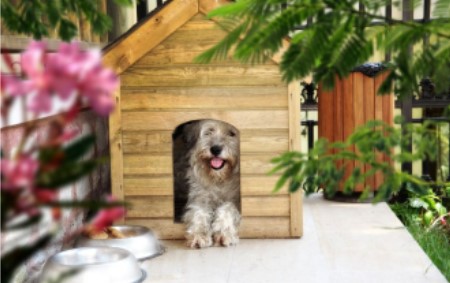
  • Dog Houses or Covered Shelters: Provide cozy, shaded spaces for cooling off.

3. Water Station: Hydration is Key

Keeping pets hydrated is essential for health and comfort.

  • Always Fresh Water: Provide a bowl or self-refilling water station.

  • Pet Fountains: Install a pet water fountain for a continuous supply of cool, fresh water.

  • Splash Zones: Consider a shallow splash pad or kiddie pool for hot days.

4. Safe Plants and Landscaping: Beauty Without Danger

Not all plants are pet-friendly — some are toxic if ingested.

  • Avoid Toxic Plants: Such as lilies, oleander, azaleas, and foxglove.

  • Pet-Safe Choices: Plant marigolds, sunflowers, zinnias, snapdragons, and rosemary.

  • Ground Cover: Use pet-safe mulch like pine or cedar. Avoid cocoa mulch (it’s toxic to dogs).

5. Dog-Friendly Features: Fun and Stimulation

Pets need mental and physical activity to stay happy and healthy.

  • Agility Course: Tunnels, ramps, hurdles, and weave poles for playful dogs.

  • Digging Zones: Set up a sandbox or designated digging spot so they won't tear up your lawn.

  • Toy Storage: Keep outdoor toys like balls and ropes in a dedicated container.

6. Durable, Pet-Safe Surfaces

Choose surfaces that withstand running paws and occasional digging.

  • Artificial Pet Turf: Easy to clean and built with drainage in mind.

  • Gravel or Pavers: Use pea gravel or stone pavers for pathways and open areas.

  • Soft Grass Areas: Great for lounging and play.

7. Comfortable Resting Areas

After all the play, pets need a cozy place to relax.

  • Outdoor Beds: Invest in waterproof, outdoor-rated dog beds.

  • Soft Surfaces: Use grassy patches or outdoor rugs for extra comfort.

8. Lighting: Evening Adventures

Don't let the fun end at sunset.

  • Solar Lights: Line pathways and play areas.

  • Motion-Sensor Lights: Help monitor pets and deter unwanted wildlife at night.

9. Secure and Easy Access

Design smart pathways and gates for safe movement around the yard.

  • Non-Slip Pathways: Gravel, brick, or textured pavers.

  • Self-Closing Gates: Prevent accidental escapes.

10. Pest Control: Keep the Yard Safe

Fleas, ticks, and mosquitoes are more than a nuisance, they’re a health hazard.

  • Pet-Safe Treatments: Choose organic, non-toxic options.

  • Natural Repellents: Marigolds and lavender help keep mosquitoes away.

  • Yard Maintenance: Keep grass trimmed, remove standing water, and tidy up debris.

11. Avoid Harmful Chemicals

Many common fertilizers, herbicides, and pesticides are dangerous for pets.

  • Use Non-Toxic Lawn Products: Choose organic or pet-safe brands.

  • Manual Weeding: Pull weeds by hand whenever possible.

  • Hire Professionals: Partner with companies like Lush Lawns that use organic processes for lawn care.

12. Regular Maintenance: Keep It Clean

A clean backyard isn’t just more enjoyable, it’s healthier too.

  • Poop Patrol: Scoop regularly to prevent mess and maintain hygiene.

  • Lawn Upkeep: Trim grass, rake leaves, and keep play areas neat.

🎉

Creating a pet-friendly backyard is about more than pampering our pets — it’s about building a durable, safe, and beautiful outdoor space that everyone can enjoy. Even if you don't have a pet today, thoughtful backyard design protects your investment and makes your home more inviting for future opportunities.

Whether it's wagging tails, lazy cat naps, or happy outdoor gatherings, a pet-friendly backyard creates memories that last a lifetime! 🐶🌿


Homes with Large Yards in Calgary

Small towns near Calgary

Acreages near Calgary

Looking for Community market stats, information, schools…

Southwest Calgary Communities

Southeast Calgary Communities

Central Calgary Communities

West Calgary Communities

Northwest Calgary Homes

Read

Deck Maintenance Tips: Extend the Lifespan of Your Deck

Your deck is more than just an outdoor space, it’s where memories are made, from summer barbecues to quiet morning coffees. But like any part of your home, it needs proper care to stay safe, beautiful, and long-lasting. With a little regular attention, you can extend the lifespan of your deck and protect your investment for years to come.

Here’s your go-to guide for keeping your deck in top condition:

Deck Maintenance

1. Clean Your Deck Regularly

Routine cleaning is the first line of defense in preventing mold, mildew, and rot.

  • Sweep debris like leaves, branches, and dirt off your deck weekly, leaf blowers work great (small battery operated ones are not loud).

  • Wash your deck at least once a year with a garden hose or a pressure washer on a low setting. Avoid high pressure, which can damage wood fibers.

  • Use a deck cleaner for stubborn stains or algae. Choose a cleaner that matches your deck material (wood, composite, etc.) for the best results.

  • Avoid bleach, which can damage wood and plants nearby.

Deck Maintenance

2. Inspect for Damage

Regular inspections help you catch small issues before they become costly repairs.

  • Check for soft spots, rot, and warping, especially in areas that collect moisture.

  • Look under the deck for signs of insect damage or water pooling near posts.

  • Examine railings and stairs for wobbling or loose parts.

  • Replace cracked, split, or rotting boards promptly to maintain safety and appearance.

Deck Maintenance

3. Seal or Stain Every 2–3 Years (or replace with a low maintenance dura-deck)

Protect your deck from moisture and UV damage with a high-quality stain or sealant.

  • Clear sealers show off the natural grain but need to be reapplied more frequently.

  • Semi-transparent stains offer color and UV protection while still revealing the wood's texture.

  • Solid stains offer the most UV protection and are good for older decks with uneven coloring.

Apply stain or sealer during dry weather when temperatures are between 10°C and 30°C (50°F–85°F) and no rain is expected for at least 24 hours.

Deck Maintenance

4. Check and Maintain Hardware

Loose or corroded fasteners can lead to structural issues or injuries.

  • Tighten loose screws, bolts, and brackets with a wrench or screwdriver.

  • Replace rusted or corroded hardware, especially in humid or coastal environments.

  • Use galvanized or stainless-steel fasteners for long-lasting durability.

Safety check: Make sure your railing height and spacing meet local building codes.

Deck Maintenance

5. Trim Foliage Around Your Deck

Overgrown trees and shrubs can trap moisture, drop debris, and invite both rodents and pests.

  • Keep plants trimmed back at least 12 inches from the deck surface.

  • Avoid climbing vines on or around your deck structure, they can cause wood to rot and harbor insects.

  • Ensure sunlight and airflow reach all parts of the deck to promote drying.

Deck Maintenance

6. Move Furniture and Planters Often

Stationary items can trap moisture and stain your deck over time.

  • Rotate furniture and planters to avoid discoloration or mildew buildup.

  • Place planters on risers, trivets, or small blocks to prevent moisture from pooling beneath them.

  • Consider felt or rubber pads under furniture legs to avoid scratches and dents.


7. Don't Forget the Underside

If your deck is elevated, the underside needs attention too.

  • Keep it clear of debris and weeds.

  • Inspect support beams and footings for rot, cracking, or signs of insect damage.

  • Consider enclosing the underside with lattice or skirting for protection and aesthetics,  just make sure there’s still airflow!

Deck Maintenance

Deck maintenance might not be the most glamorous weekend project, but a few hours of care a couple of times a year can save you thousands in repairs or replacement. Whether you're preserving the rich look of natural wood or keeping your composite boards in top shape, regular upkeep ensures your deck stays safe, sturdy, and beautiful for many seasons to come.

If you change the size / shape of your deck when undertaking deck repairs, heads up, you will need to update your Real Property Report (RPR) when you sell. 

Homes with Large Yards in Calgary

Looking for a particular lifestyle:

Looking for community info, market stats & schools:

About Chris Marshall Chris Marshall is an Associate Broker and REALTOR with RE/MAX House of Real Estate, serving buyers, sellers, and investors across Calgary and surrounding communities including Okotoks, Airdrie, Cochrane, Chestermere, Langdon, High River, Springbank, Priddis, Bragg Creek, and rural Rocky View, Foothills, and Wheatland Counties. A Certified Condominium Specialist with over 23 years of experience, Chris is committed to honest, client first service. Call 403 585 5362.

Other blogs:


Read

Boost Your Home's Value with Curb Appeal: Tips for Every Budget

Great curb appeal adds undeniable value to your home, whether you’re ready to sell or planning to stay for years to come. A tidy, well-kept home exterior doesn’t just make your property shine, it elevates the whole neighborhood. When homes on your street look great and sell for higher prices, your home's value can increase too. Whether you're prepping to sell or simply want a home that makes you smile every time you pull into the driveway, these curb appeal tips, ranging from budget-friendly to splurge-worthy, can make a big impact.


Start with Landscaping

Your yard is one of the first things people notice.

  • Keep the lawn green and healthy: Water regularly, weed thoroughly, and mow for a clean, finished look.

  • Get rid of dandelions, brown patches and bare dirt patches.

  • Trim shrubs and plant colorful flowers.

  • Low-maintenance options: Consider drought-resistant gardens or artificial turf, upfront costs can be higher, but the long-term payoff is worth it.


Clean and Repair Driveways & Walkways

Don’t let cracks or stains steal the spotlight.

  • Weed-free is a must. Get out the vinegar and spray anything growing from the concrete. Pull it out and tidy that up.

  • Repair or resurface sagging concrete, especially near your garage, buyers see this as a costly red flag.

  • Companies can often lift and level concrete rather than replacing the whole thing.


Make Your Front Door Pop

Your front door should feel like a warm welcome.

  • Check hinges, locks, and latches.

  • Clean, paint, or replace the door if needed.

  • A bold color adds character, while clean hardware (or new hardware!) gives a modern refresh.

  • Fix or replace torn screens to keep things crisp.


Style Your Porch or Landing

Less is more, do not clutter the front space, but make it inviting.

  • Add potted plants, a simple bench, or a pillow-topped chair.

  • Artificial greenery works wonders with zero maintenance.

  • And yes, clean everything, grime-free surfaces make a huge difference.


Update Lighting & Hardware

Lighting is both functional and decorative.

  • Replace outdated fixtures with modern ones.

  • Match your door handle, mailbox, and house numbers for a cohesive look.

  • Even a fresh coat of spray paint on existing fixtures can go a long way.


Show Some Window Love

Windows can make or break your home's exterior vibe.

  • Wash inside and out.

  • Make sure sills and screens are clean and in good shape.

  • Avoid mismatched or makeshift window coverings (no flags or sheets).

  • Add window boxes for charm, or use shutters to give visual structure and color.

If garage windows show clutter inside, use privacy film or reflective film for a sleek, clean look.


Clean & Repair the Exterior

  • Pressure wash siding and brick.

  • Patch or repaint where needed, neutral tones keep things buyer-friendly.

  • Replace warped or damaged vinyl siding if necessary.


Garage Doors Matter More Than You Think

  • Replace if the style is outdated or the door is damaged.

  • If it still works well: clean, paint, and oil it.

  • Hide the clutter inside with privacy film or paint on glass panels.

  • Match the door style to your home’s design.


Fence & Roof Check

  • Clean and repaint fences as needed.

  • Replace rotting boards and tighten loose posts.

  • Roof in disrepair? Peeling shingles or mismatched gutters can scare off buyers. Time for a refresh.

  • Do a full check on the downspouts and eves, replace any drooping or damaged parts.


Don’t Forget the Details

  • House numbers, doorbells, and mailboxes can all be easily updated for a modern, clean look.

  • Find custom or designer options online to personalize your home’s face.


Creating great curb appeal doesn’t require a full renovation. Even small, consistent updates can transform your exterior and boost your home’s value. Most importantly, clean and tidy. Whether you're preparing to list or just want a space that makes you proud, these ideas will make your home shine, today and for years to come.

It is better to maintain than have to repair. Protect your investment.


Looking for Community market stats, information, schools…

Southwest Calgary Communities

Southeast Calgary Communities

Central Calgary Communities

West Calgary Communities

Northwest Calgary Homes

Read
Data is supplied by Pillar 9™ MLS® System. Pillar 9™ is the owner of the copyright in its MLS®System. Data is deemed reliable but is not guaranteed accurate by Pillar 9™.
The trademarks MLS®, Multiple Listing Service® and the associated logos are owned by The Canadian Real Estate Association (CREA) and identify the quality of services provided by real estate professionals who are members of CREA. Used under license.