CALGARY REAL ESTATE BLOG

RSS

Calgary Spring Melt and Rain: Your Complete Guide to Protecting Your Home from Water Damage

By Chris Marshall, RE/MAX House of Real Estate | March 2026

Some Calgary homeowners know the feeling, watching the snow disappear and temperatures rise, wondering if this will be the year their basement floods. Spring in Calgary brings a perfect storm of challenges: rapid snowmelt, spring rains, and saturated ground that can turn your dream home into a water damage nightmare.

After helping Calgary families buy and sell homes for over two decades, I've seen firsthand how water damage can devastate both properties and finances. The good news? Most water damage is preventable with the right knowledge and preparation.

Whether you're a new homeowner experiencing your first Calgary spring or a seasoned resident looking to upgrade your defenses, this guide will help you protect your most valuable investment.

Understanding Calgary's Unique Water Challenges

Calgary's geographic location and climate create a unique set of water management challenges that homeowners must understand and prepare for.

The Spring Snowmelt Phenomenon

Calgary typically receives 120-140cm of snow annually throughout the winter months. When spring arrives, it often melts rapidly during sudden temperature spikes.

Peak snowmelt typically occurs:

  • Mid-March to early May depending on the year

  • During Chinook events (can melt 30cm+ of snow in days)

  • When daytime temperatures exceed 5°C for consecutive days

  • During rain-on-snow events (most drastic scenario)

Spring Rain Patterns

Calgary's spring brings increased precipitation, with April and May averaging 25-35mm of rainfall each. However, these averages don't tell the full story, spring storms can dump 50mm+ of rain in just a few hours, overwhelming drainage systems already dealing with snowmelt.

Calgary's Soil and Drainage Challenges

Calgary sits on varied soil types, many of which create drainage challenges:

Clay-Heavy Soils:

Common in many Calgary neighborhoods, clay soils become nearly impermeable when saturated, causing water to pool on the surface and flow toward homes rather than absorbing into the ground.

Frozen Ground:

Even as surface snow melts, the ground often remains frozen for weeks, creating an impermeable barrier that prevents water absorption and increases surface runoff.

Seasonal Water Table Changes:

Spring snowmelt can raise the water table significantly, bringing groundwater closer to basement floors and increasing hydrostatic pressure against foundation walls.

How Water Gets Into Calgary Homes

Understanding how water enters your home is the first step in preventing damage. Here are the most common entry points in Calgary properties:

Foundation and Basement Issues

Foundation Cracks:

  • Hairline cracks can expand during freeze-thaw cycles

  • Settlement cracks from Calgary's shifting soils

  • Cold joints where foundation wall meets footing

Window Wells:

  • Poor drainage around basement windows

  • Inadequate waterproofing around window frames

Floor Drains and Sump Pumps:

  • Overwhelmed or non-functioning sump pumps

  • Blocked floor drains

  • Power outages disabling electric pumps

  • Relying on a neighbours old sump pump

Roof and Eaves Problems

Ice Dams:

Calgary's temperature fluctuations create perfect ice dam conditions. Warm days melt snow on the roof, which refreezes at night, creating barriers that force water under shingles.

Gutter Issues:

  • Ice-damaged gutters from winter freezing

  • Clogged gutters and downspouts

  • Improper drainage away from foundation

Grading and Landscaping Issues

Poor Lot Grading:

Many Calgary homes, especially in newer developments, have minimal grading slopes. Water should flow away from your foundation at a minimum 2% grade (2 inches drop per 10 feet).

Landscaping Problems:

  • Flower beds that trap water against the foundation

  • Trees and shrubs planted too close to the house

  • Decorative rock that prevents drainage

Essential Prevention Strategies for Calgary Homes

Prevention is always cheaper than repair. Always. Here's your comprehensive action plan for protecting your Calgary home:

Exterior Protection Measures

Foundation Waterproofing:

  • Consider professional exterior excavation for serious issues

Proper Grading and Drainage:

  • Ensure 6-inch minimum slope away from foundation

  • Extend downspouts minimum 6 feet from foundation

  • Install splash blocks or underground drainage

  • Create swales to direct water flow away from house

Window Well Protection:

  • Ensure proper drainage with gravel base

  • Apply waterproof sealant around window frames

  • Consider window well drains connected to weeping tile

Roof and Gutter Maintenance

Spring Roof Inspection:

  • Check for loose, damaged, or missing shingles

  • Inspect flashing around chimneys, vents, and skylights

  • Look for ice dam damage from winter

  • Clear debris from roof surface and valleys

Gutter System Optimization:

  • Clean gutters and downspouts regularly (if there are mature trees in your neighbourhood - this is very important)

  • Repair ice damage from winter freezing

  • Install gutter guards to prevent debris buildup

  • Consider larger gutters for heavy snowmelt areas

Ice Dam Prevention:

  • Improve attic insulation to prevent heat loss

  • Ensure proper attic ventilation

  • Install ice and water shield membrane

  • Consider heated gutter cables for problem areas

Interior Protection Systems

Sump Pump Systems:

  • Test sump pump operation before spring melt

  • If your sump pump has made it to 10years replace it right now

  • Install battery backup system for power outages

  • Consider redundant pump system for high-risk homes

  • Ensure discharge line extends away from foundation (and not pointed at your neighbour)

  • Find out if you are relying on your neighbour’s sump pump, if so consider having one installed (less expensive than dealing with water in your basement)

Basement Waterproofing:

  • Install interior drain tile connected to sump pump

Monitoring and Early Warning:

  • Install water detection sensors in basement

  • Know location of main water shut-off

Calgary Homeowner's Seasonal Maintenance Calendar

Timing is everything when it comes to water damage prevention. Here's your month-by-month action plan:

March: Early Spring Preparation

  • Test sump pump operation and battery backup

  • If you don’t have one, are you relying on your neighbour’s?

  • Clear snow away from foundation and window wells

  • Check basement for signs of moisture or leaks

  • Inspect and clean floor drains

  • Review insurance coverage for water damage

April: Peak Snowmelt Season

  • Monitor sump pump operation 

  • Clear gutters and downspouts of winter debris

  • Ensure proper drainage away from foundation

  • Check for ice dam damage on roof

May: Spring Rain Preparation

  • Complete roof inspection for winter damage

  • Test all drainage systems before heavy rains

  • Trim vegetation away from foundation

  • Plan drainage improvements for summer

Emergency Response: When Water Gets In

Despite your best prevention efforts, water emergencies can still happen. Here's your immediate action plan:

Immediate Response (First Hour)

Safety First:

  • Turn off electricity to flooded areas

  • Evacuate basement if water is rising

  • Wear protective gear when entering flooded areas

Stop the Source:

  • Locate and stop water entry if possible

  • Check if sump pump is working

  • Clear any blocked drains

Document Everything:

  • Take photos and videos before cleaning

  • Note water levels and affected areas

  • Call insurance company immediately

When to Call Professionals

Call for water damage restoration if:

  • Water level exceeds 2 inches

  • Sewage contamination is suspected

  • Electrical systems are compromised

  • Structural damage is visible

  • Mold growth begins (within 24-48 hours, faster with heat)

Understanding Costs and Insurance Coverage

Water damage costs can quickly escalate from hundreds to tens of thousands of dollars. Understanding your financial exposure and insurance coverage is crucial.

Typical Water Damage Costs

Prevention Costs:

  • Exterior waterproofing: $3,000-$15,000

  • Sump pump system: $1,500-$4,000

  • Improved drainage: $500-$8,000 (could be just your own manual labour)

Damage Repair Costs:

  • Minor basement flooding: $2,000-$8,000

  • Major basement flood: $10,000-$50,000+

  • Foundation repair: $5,000-$25,000

  • Mold remediation: $2,000-$15,000

Insurance Coverage in Alberta

Standard homeowner's insurance typically covers:

  • Sudden and accidental water damage (burst pipes)

  • Ice dam damage

  • Some types of sewer backup (with endorsement)

  • CHECK YOUR POLICY

Standard policies usually DO NOT cover:

  • Groundwater seepage

  • Surface water flooding

  • Gradual leaks or long-term seepage

  • Lack of maintenance-related damage

Overland Water Protection:

This optional coverage protects against surface water flooding and is highly recommended for Calgary homeowners. Cost: typically $100-$300 annually.

Water Damage Impact on Property Value

As a real estate professional, I've seen how water damage affects property values and marketability. Here's what homeowners need to know:

Impact on Selling Your Home

Disclosure Requirements:

  • Must disclose any known water damage history

  • Include details of repairs and remediation (with receipts)

  • Provide maintenance records and warranties

Market Impact:

  • Properly remediated damage: minimal impact

  • Recurring issues: 10-20% value reduction

  • Active leaks: extremely difficult to sell

What Buyers Should Look For

Red Flags During Showings:

  • Musty odors in basement

  • Water stains on walls or floors

  • Efflorescence (white chalky deposits) on foundation

  • Poor lot grading or drainage

Professional Inspection Recommendations:

  • Hire inspector experienced with Calgary water issues

  • Check sump pump operation and backup systems

  • Evaluate overall drainage and grading

Protecting Your Investment

Water damage prevention isn't just about avoiding costly repairs, it's about protecting your family's safety (mold), your home's value, and your peace of mind. Calgary's unique climate and geography present specific challenges, but with proper preparation and maintenance, you can significantly reduce your risk.

Remember, the best time to prepare for water damage is before it happens. Invest in prevention now, and you'll save thousands later while protecting your most valuable asset.

Key Takeaways:

  • Prevention is always cheaper than repair

  • Calgary's spring conditions require specific preparations

  • Regular maintenance can prevent most water damage

  • Professional help is worth the investment for serious issues

  • Understanding your insurance coverage is crucial

Need Expert Real Estate Advice?

Whether you're buying, selling, or protecting your current home, I'm here to help. With over decades of Calgary real estate experience, I understand how water issues affect property values and can guide you through any situation.

Services I provide:

  • Referrals to trusted contractors and specialists

  • Market analysis for water-damaged properties

  • Selling strategies for properties with water history

Contact Chris Marshall

RE/MAX House of Real Estate

Phone: 403-585-5362

Email: chris@chrismarshallrealtor.com

Website: chrismarshallrealtor.com

Looking for a particular lifestyle:

Looking for community info, market stats & schools:

About Chris Marshall  |  Chris Marshall is an Associate Broker and REALTOR with RE/MAX House of Real Estate, serving buyers, sellers, and investors across Calgary and surrounding communities including Okotoks, Airdrie, Cochrane, Chestermere, Langdon, High River, Springbank, Priddis, Bragg Creek, and rural Rocky View, Foothills, and Wheatland Counties. A Certified Condominium Specialist with over 23 years of experience, Chris is committed to honest, client first service.


Other Blogs:

Read

Legal vs Illegal Basement Suites in Calgary

By Chris Marshall, RE/MAX House of Real Estate | March 2026

With Calgary's housing market reaching new heights and rental demand stronger than ever, many homeowners are considering adding a basement suite to their property. Whether you're looking to offset your mortgage payments, provide housing for family members, or create a revenue stream, understanding the difference between legal and illegal suites could save you thousands of dollars and countless headaches.

As a Calgary real estate professional with over a decade of experience, I've seen firsthand the consequences of both legal and illegal suites. Let me walk you through everything you need to know before making this important decision.

What is a Legal Secondary Suite?

A legal secondary suite is a self-contained dwelling unit within a single-family home that has been approved by the City of Calgary and meets all building, safety, and zoning requirements. These suites have proper permits, inspections, and compliance certificates.

Legal Suite Requirements

To be considered legal, a secondary suite in Calgary must meet these essential criteria:

  • Development permit approved by the City of Calgary

  • Building permit and successful inspections

  • Separate entrance (cannot share with main dwelling)

  • Minimum ceiling height of 7 feet (6'8\" in some areas)

  • Proper emergency egress windows in bedrooms

  • Kitchen with sink, cooking facilities, and refrigerator space

  • Complete bathroom with shower or tub

  • Proper electrical, plumbing, and HVAC systems

  • Fire separation between units

  • Adequate parking (one space per suite)

  • Sound insulation meeting city standards

The Dangers of Illegal Suites

While the temptation to create a quick rental income might be strong, illegal suites come with risks that may outweigh any short-term benefits.

Safety Concerns

  • Fire hazards: Inadequate exits can trap tenants during emergencies

  • Carbon monoxide risks from improper HVAC installations

  • Electrical hazards from unpermitted wiring

  • Structural problems from unauthorized modifications

  • Poor ventilation leading to mold and health issues

Financial and Legal Consequences

  • Fines from the City of Calgary

  • Order to cease rental operations immediately

  • Requirement to bring suite up to code or remove it entirely

  • Insurance claims may be denied

  • Personal liability for tenant injuries

  • Difficulty selling your home

  • Potential legal action from neighbors

Impact on Property Value and Resale

From a real estate perspective, the suite's legal status dramatically affects your property's marketability and value.

Legal Suites: Value Enhancers

  • Increase property value by $50,000-$100,000+

  • Attract more buyers seeking income properties

  • Qualify for higher appraisal values

  • Generate $800-$1,500+ monthly rental income

  • Easier financing options for buyers

  • Marketable as 'mortgage helper' to young families

Ready to explore homes with existing legal suites? Browse our current listings to see what's available in Calgary's market.

Illegal Suites: Deal Killers

  • Buyers walk away during inspection period

  • Banks refuse financing on properties with illegal suites

  • Must be disclosed to all potential buyers

  • Buyers factor in legalization costs ($20,000-$50,000+)

  • Limited buyer pool significantly reduces sale price

  • May require suite removal before sale completion

How to Legalize an Existing Suite

If you already have an illegal suite, it's possible to legalize it, though the process can be complex and expensive.

Step-by-Step Legalization Process

1. Professional Assessment

Hire a qualified contractor or engineer to assess your suite's current condition and identify what needs upgrading to meet city codes.

2. Apply for Development Permit

Submit application to the City of Calgary with detailed plans, site survey, and neighborhood notification requirements.

3. Obtain Building Permit

Once a development permit is approved, apply for building permits for any required upgrades or modifications.

4. Complete Renovations

Upgrade electrical, plumbing, HVAC, fire separation, egress windows, and any other deficiencies identified in the assessment.

5. Schedule Inspections

City inspectors will verify all work meets code requirements. Multiple inspections may be required throughout the process.

6. Receive Final Approval

Once all inspections pass, you'll receive your compliance certificate, making your suite legally rentable.

Expected Legalization Costs

The cost to legalize an existing illegal suite varies significantly based on its current condition:

  • Development permit: $1,200-$2,500

  • Building permits: $500-$1,500

  • Professional drawings: $2,000-$5,000

  • Electrical upgrades: $3,000-$8,000

  • Plumbing work: $2,000-$6,000

  • HVAC modifications: $2,000-$5,000

  • Fire separation: $1,500-$4,000

  • Egress windows: $1,000-$3,000 each

  • Insulation and drywall: $3,000-$8,000

Total legalization costs typically range from $15,000 to $50,000 depending on the extent of required upgrades.

Building a New Legal Suite From Scratch

If you're planning to add a suite to your existing home, doing it legally from the start is always the smartest approach.

Timeline for New Legal Suites

  • Planning and design: 1-2 months

  • Development permit approval: 2-4 months

  • Building permit approval: 1-2 months

  • Construction: 3-6 months

  • Final inspections: 2-4 weeks

Total timeline: 8-15 months from start to finish.

New Suite Construction Costs

  • Basic 1-bedroom suite: $35,000-$60,000

  • High-end 2-bedroom suite: $60,000-$100,000+

  • Permits and professional fees: $5,000-$10,000

Insurance and Legal Suite Requirements

Many homeowners don't realize that rental suites significantly impact their insurance coverage and requirements.

Legal Suite Insurance

  • Must notify insurer of rental suite immediately

  • Requires upgrade to landlord/rental property coverage

  • Higher premiums but full coverage protection

  • Liability coverage for tenant-related incidents

  • Coverage for loss of rental income

Illegal Suite Insurance Risks

  • Claims may be denied entirely

  • Policy cancellation if discovered

  • Personal liability for all damages and injuries

  • Difficulty obtaining new coverage

Best Calgary Neighborhoods for Suites

Not all Calgary neighborhoods are equally suited for basement suites. Consider these factors when choosing where to invest:

High-Demand Rental Areas

  • Brentwood: Close to LRT and University of Calgary

  • Hillhurst/Kensington: Walking distance to downtown

  • Forest Lawn: Affordable area with strong rental demand

  • Bowness: Budget-friendly with good transit access

  • Capitol Hill: Near SAIT and downtown core

  • Renfrew: Up-and-coming area with development potential

Red Flags: Spotting Illegal Suites

Whether you're buying, selling, or renting, here are warning signs that a suite may be illegal:

Physical Warning Signs

  • Low ceilings (under 7 feet)

  • Small or missing egress windows in bedrooms

  • Shared entrance with main house

  • Exposed wiring or unprofessional electrical work

  • Lack of proper ventilation or HVAC system

  • No fire separation between units

  • Inadequate parking spaces

Documentation Red Flags

  • No development permit on file with the city

  • Missing building permits for renovations

  • Seller evasive about permit status

  • Property taxes don't reflect suite status

  • Recent 'cash only' renovations

How I Can Help You Navigate Suite Decisions

As your Calgary real estate professional, I provide comprehensive guidance on basement suite decisions:

For Sellers

  • Verify legal status of existing suites

  • Advise on disclosure requirements

  • Connect with legalization specialists

  • Market legal suites to maximize value

  • Handle buyer concerns and negotiations

For Buyers

  • Research permit history before viewing

  • Identify properties with legal suite potential

  • Connect with qualified contractors for estimates

  • Negotiate purchase price based on suite status

  • Include appropriate conditions in offers

Browse our current homes with suites to see available properties with income potential.

For Homeowners

  • Assess feasibility of legal suite addition

  • Recommend qualified contractors and designers

  • Provide rental market analysis

  • Calculate return on investment

  • Guide through permit application process

The Bottom Line: Legal is Always Better

While the upfront cost and time investment of creating a legal suite may seem daunting, the long-term benefits far outweigh the challenges. Legal suites provide:

  • Peace of mind for you and your tenants

  • Significant property value increase

  • Reliable rental income

  • Insurance protection

  • Easier resale when the time comes

Remember, illegal suites aren't just risky—they're a liability that can cost you thousands in fines, legal fees, and lost property value. Whether you're considering adding a suite, buying a home with one, or selling a property that has one, make sure you understand the legal requirements and get professional guidance.

Need Expert Guidance?

If you're considering a basement suite investment or have questions about your current property, I'm here to help. With over a decade of Calgary real estate experience, I can guide you through every step of the process.

Contact Chris Marshall

RE/MAX House of Real Estate

Phone: 403-585-5362

Email: chrismarshallrealtor@gmail.com

Homes with Suites

Thinking about selling your Calgary home? Contact Chris Marshall Calgary Realtor for a home evaluation and personalized advice about which improvements are worth making before you list.

About Chris Marshall  |  Chris Marshall is an Associate Broker and REALTOR with RE/MAX House of Real Estate, serving buyers and sellers across Calgary and surrounding communities. A Certified Condominium Specialist with over 23 years of Calgary market experience, Chris specializes in helping clients navigate all stages of their real estate journey. Visit chrismarshallrealtor.com or call 403 585 5362.

Looking for community info, market stats & schools:

Looking for a particular lifestyle:

Other Blogs:


Read

First-Time Home Buyer in Calgary: A Step-by-Step Guide for 2026

Buying your first home in Calgary is one of the most significant financial decisions you will ever make, and in 2026, the city's real estate landscape offers genuine opportunity for buyers who are prepared. Calgary continues to attract newcomers from across Canada thanks to its relatively affordable housing compared to Vancouver and Toronto, a strong local economy, and no provincial sales tax. That said, navigating the process without a roadmap can feel overwhelming. This guide walks you through every stage, from checking your finances to getting the keys in your hand. 

Contact me, I can step you through the process, let me know if you have any questions, no pressure.

Step 1: Assess Your Financial Readiness

Before you browse a single listing, you need an honest picture of your financial health. Start by pulling your credit score. In Canada, lenders typically want to see a score of at least 680 for the best mortgage rates, though you can qualify with as low as 600 with certain lenders and a larger down payment. 

In Canada, pulling your credit score multiple times for new credit applications (a "hard inquiry") should be avoided because each check can slightly lower your score. However, checking your own report ("soft inquiry") does not affect your score.

Next, tally your debts. Your total monthly debt payments (including the future mortgage) should not exceed 44% of your gross monthly income. This is your Total Debt Service ratio. Your housing costs alone (mortgage principal and interest, property taxes, and heating) should stay under 32% of gross income (your Gross Debt Service ratio). These aren't just rules of thumb; Canadian lenders are required to use them.

Finally, calculate how much you have saved. In Canada, you need a minimum down payment of 5% on homes priced up to $500,000, with an additional 10% on the portion between $500,000 and $999,999. For homes at $1 million or above, the minimum is 20%. Most Calgary condos and entry-level detached homes in 2026 sit in the $400,000 to $700,000 range, so plan accordingly.

Step 2: Explore First-Time Buyer Incentives

Canada offers several programs specifically designed to help first-time buyers reduce their upfront costs and ongoing expenses. Make sure you take advantage of every dollar available to you.

  • First Home Savings Account (FHSA): Contributions are tax-deductible and withdrawals for a qualifying home purchase are tax-free. You can contribute up to $8,000 per year to a lifetime maximum of $40,000.

  • Home Buyers' Plan (HBP): Withdraw up to $60,000 from your RRSP tax-free for a first home purchase. You have 15 years to repay the amount.

  • First-Time Home Buyers' Tax Credit: Claim up to $10,000 on your federal tax return in the year you purchase, worth up to $1,500 in tax relief.

  • GST/HST New Housing Rebate: If you're buying a newly built home, you may qualify for a partial rebate of the GST paid on the purchase price.

Step 3: Get Pre-Approved for a Mortgage

Mortgage pre-approval is not the same as pre-qualification. A pre-approval involves a full credit check and document verification. It locks in an interest rate for 90 to 120 days and tells sellers you are a serious, capable buyer, a significant advantage in a competitive market.

Shop around. Compare rates from at least three sources: a major bank, a credit union, and a licensed mortgage broker. Brokers have access to dozens of lenders and can find better rates than the big banks advertise. Even a 0.25% difference in your rate can mean thousands of dollars over the life of your mortgage.

Step 4: Find a Calgary Real Estate Agent

A buyer's agent costs you nothing directly, their commission is paid by the seller. But the right agent is invaluable: they know Calgary's neighbourhoods inside and out, can flag red flags in listings, and will negotiate on your behalf.

Step 5: Search for Your Home

With your pre-approval letter in hand and an agent by your side, the search begins in earnest. In 2026, Calgary's market remains active, particularly in the $450,000 to $650,000 range where first-time buyers compete most heavily. Well-priced properties in desirable areas can receive multiple offers within days of listing.

Prioritize your must-haves before you start touring. Consider commute times, proximity to schools or green spaces, condo fees if applicable, and long-term neighbourhood growth potential. Calgary's new communities on the urban fringe are still expanding, which can mean lower prices now but years of construction around you.

I’m happy to have a discussion of what areas and home styles would work best for you.

Step 6: Make an Offer and Complete Due Diligence

Once you find the right property, your agent will help you craft a competitive offer. In Calgary, offers include conditions, typically financing, home inspection, and sometimes condo document review. A professional home inspection costs $400 to $600 and can uncover issues worth tens of thousands of dollars.

If your offer is accepted, you enter the conditions period, usually five to ten business days. I will step you through the checklist of this process. Use this time to finalize your mortgage approval with your lender and complete the inspection. If significant problems surface, you can renegotiate or walk away without penalty.

Step 7: Budget for Closing Costs

Many first-time buyers are caught off guard by closing costs. Budget for roughly 1.5% to 4% of the purchase price on top of your down payment. Key expenses include:

  • Land Transfer: Alberta does not have a provincial land transfer tax, which is a significant saving compared to Ontario or BC. However, some Calgary condos may have title transfer fees.

  • Legal Fees: A real estate lawyer handles the title transfer and mortgage registration. Budget $1,200 to $2,000.

  • Home Insurance: Your lender will require proof of coverage before closing. Calgary premiums vary by neighbourhood and property type but average $1,200 to $2,000 per year.

  • Mortgage Default Insurance: If your down payment is less than 20%, CMHC mortgage insurance is mandatory. The premium is 2.8% to 4% of the loan amount and is typically added to your mortgage balance.

You're Ready! 

Buying your first home in Calgary in 2026 is absolutely achievable with the right preparation. The city offers a unique combination of relative affordability, a growing economy, and no provincial land transfer tax that makes it one of the more accessible major markets in Canada. 

Start with your finances, leverage every incentive available to you, build a strong team of professionals, and approach the search with clear priorities. 

10 FAQs for First-Time Home Buyers in Calgary

Whether you're just starting to think about buying or you're weeks away from making an offer, these are the questions we hear most often:

Q1: How much do I really need for a down payment in Calgary?

The minimum is 5% on homes up to $500,000, and 10% on the portion between $500,000 and $999,999. For homes at $1 million or more, you need 20% minimum. You should also have 1.5% to 4% extra set aside for closing costs. The more you put down, the lower your monthly payments and mortgage insurance costs.

Q2: What is the mortgage stress test and how does it affect me?

Canada's mortgage stress test requires lenders to qualify you at the higher of your actual contract rate plus 2%, or 5.25%. This means if you're offered a 4.5% rate, you must prove you can afford payments at 6.5%. It's designed to protect buyers from rate increases, but it does reduce how much you can borrow. Budget conservatively and don't max out your qualification limit.

Q3: Should I use a mortgage broker or go directly to my bank?

Both have merit, but a mortgage broker is worth consulting for a first-time buyer. Brokers work with dozens of lenders — including monoline lenders who offer rates the big banks rarely advertise — and their services are free to you (they're paid by the lender). That said, your existing bank may offer loyalty discounts or bundle savings. Get quotes from at least three sources before deciding.

Q4: What is CMHC mortgage insurance and do I have to pay it?

If your down payment is less than 20%, CMHC (Canada Mortgage and Housing Corporation) default insurance is mandatory. The premium ranges from 2.8% to 4% of your total loan amount and is usually added to your mortgage balance rather than paid upfront. On a $500,000 purchase with 5% down, that's roughly $19,000 added to your mortgage. It protects the lender (not you) if you default.

Q5: Does Alberta have a land transfer tax?

No — and this is one of Calgary's biggest financial advantages for buyers. Alberta does not charge a provincial land transfer tax, unlike Ontario (up to 2%) or British Columbia (up to 3%). You will pay a small land title transfer fee to the province (typically $500 to $800 depending on purchase price), but this is a fraction of what buyers in other provinces pay. It's a meaningful saving that often surprises buyers coming from elsewhere in Canada.

Q6: What is the First Home Savings Account (FHSA) and should I open one?

Yes, open one as soon as possible. The FHSA is a registered account that lets first-time buyers contribute up to $8,000 per year (lifetime maximum $40,000) with full tax deductibility on contributions — similar to an RRSP — and completely tax-free withdrawals when used toward a qualifying home purchase. It's the best savings vehicle available to first-time buyers. Even if you're a year or two from buying, every year you delay is $8,000 in deduction room lost.

Q7: How long does the home buying process take in Calgary?

From the moment you start seriously searching to the day you get keys, expect three to six months on average — though it can happen faster or slower. Getting pre-approved takes one to two weeks. Finding the right home might take one to three months in a balanced market. Once your offer is accepted, the conditions period is typically five to ten business days, and closing (possession) is usually 30 to 60 days after that. Plan your rental lease accordingly.

Q8: Do I need a real estate lawyer?

Yes, in Alberta a real estate lawyer is required to complete a home purchase. Your lawyer handles the title search, reviews the purchase contract, registers the mortgage, and transfers the title to your name. Budget between $1,200 and $2,000 in legal fees. Don't shop purely on price — experience with residential real estate matters, and a good lawyer can catch issues that save you far more than their fee.

Q9: Should I get a home inspection even if the market is competitive?

Strongly yes. A home inspection costs $400 to $600 and can uncover foundation cracks, roof deterioration, outdated electrical panels, plumbing issues, or HVAC problems — any of which could cost thousands to repair. In a hot market, some buyers waive inspections to compete, but this carries real risk. If you're in a multiple-offer situation, consider doing a pre-offer inspection (some sellers allow this) so you can waive the condition confidently rather than blindly.

Q10: What neighbourhoods in Calgary are best for first-time buyers in 2026?

It depends on your budget and lifestyle priorities. For entry-level detached homes, newer communities like Evanston, Skyview Ranch, Redstone, and Livingston in the north, and Walden, Legacy, and Mahogany in the south, offer newer builds in the $450,000 to $600,000 range. Each community has a different feel, visit in person on a weekday and a weekend before committing.

Contact me, I can step you through the process, let me know if you have any questions, no pressure.

Looking for a particular lifestyle:

Looking for community info, market stats & schools:

About Chris Marshall  |  Chris Marshall is an Associate Broker and REALTOR with RE/MAX House of Real Estate, serving buyers, sellers, and investors across Calgary and surrounding communities including Okotoks, Airdrie, Cochrane, Chestermere, Langdon, High River, Springbank, Priddis, Bragg Creek, and rural Rocky View, Foothills, and Wheatland Counties. A Certified Condominium Specialist with over 23 years of experience, Chris is committed to honest, client first service. Call 403 585 5362.

Other Blogs:

Read

Calgary Real Estate Market Update February 2026: What Buyers & Sellers Need to Know

February 2026: What Buyers & Sellers Need to Know

By Chris Marshall, RE/MAX House of Real Estate  |  Published March 2026  |  Source: CREB® February 2026 Statistics Package

February's Calgary real estate data tells a tale of two markets. If you're shopping for a detached home (especially under $700,000) you're dealing with tight competition and limited inventory. If you're considering a condo, you'll find yourself firmly in buyer's territory with more choice and more room to negotiate. Understanding where your property type and neighbourhood sits in this split market is the key to making smart decisions right now.

Here's everything you need to know about February 2026, broken down by property type, Calgary district, and surrounding communities including Airdrie, Cochrane, Okotoks, and Chestermere.

Calgary Market Overview for February 2026

The overall Calgary market sits at roughly three months of supply, the textbook definition of balanced conditions. But that citywide number masks the real story happening underneath.

"Slowing migration levels are coming at a time when supply for apartment-style homes is rising. Calgary reported record high starts last year, mostly due to gains in apartment starts where there are nearly 18,000 units currently under construction."  Ann-Marie Lurie, CREB® Chief Economist

Total residential sales came in at 1,526 units in February, an 11% decline from the same month last year, driven largely by a pullback in row and apartment sales. Total inventory reached 4,822 units, up 16% year-over-year, with condominiums and row homes accounting for more than half of all available listings.

The citywide benchmark price sits at $560,500. Up 1% from January but still 4.4% below February 2025 levels.

February 2026 Benchmark Prices by Property Type

Property Type

Benchmark Price

Year-over-Year

Detached

$734,300

-3.2% Y/Y

Semi-Detached

$682,200

-0.4% Y/Y

Row

$423,600

-5.0% Y/Y

Apartment Condo

$298,600

-9.3% Y/Y

Total Residential

$560,500

-4.4% Y/Y

Detached Homes: A Tight Market, Especially Under $700K

Detached homes remain the most competitive segment in Calgary. With 736 sales and 1,269 new listings, the sales-to-new-listings ratio held at 58% and months of supply stayed under three months citywide.

The story is very different depending on where you look. The West district is the tightest in the city at under two months of supply, meaning well-priced detached homes there are moving fast. In fact, the West and City Centre were the only two districts to see benchmark prices rise both month-over-month AND year-over-year.

Detached benchmark price: $734,300: up 1.4% from January, down 3.2% year-over-year.

For detached homes priced below $700,000, supply is critically tight. If you've been waiting to list in this range, February data suggests you're entering a favourable window.

Semi-Detached Homes: The Tightest Segment in the City

Semi-detached properties reported the tightest conditions of all four property types, with just 2.4 months of supply, the lowest reading across the market. Sales improved to 175 units while new listings held at 253.

Semi-detached benchmark price: $682,200 Up over 2% from January. Essentially flat year-over-year at -0.4%.

Strong performers this month: City Centre, NW, and West districts all reported year-over-year price gains. The North East and East districts continued to see price softness.

Row Homes: Stabilizing After a Difficult Few Months

Row homes are in a more interesting spot. After a spike in new listings in January, supply levels moderated in February, dropping from over four months of supply back to just over three. Sales picked up to 270 units, and the market is showing signs of stabilizing.

Row benchmark price: $423,600 Up slightly from January but still 5% below last February's levels.

Worth noting: if you're looking at row homes in the North East or East districts, prices there have dropped more than 10% year-over-year. The West and City Centre have held up considerably better, down only slightly from last year.

Apartment Condos: Buyer's Market Territory

This is where the most significant market shift is happening. Apartment condos are clearly in a buyer's market, and the numbers reflect that.

With 1,580 units in inventory and only 345 sales, months of supply sits at over 4.5 months. The apartment benchmark price dropped to $298,600  nearly 1% below January and over 9% below February 2025.

The cause is supply-driven: Calgary saw record apartment construction starts last year, and nearly 18,000 units are currently under construction. While many are targeted for rental, this is putting meaningful pressure on condo ownership prices.

The contrast by district is stark. The North East has over 11 months of supply (deeply oversupplied) while the South district is closer to four months and showing more stability.

If you're a first-time buyer or investor considering a condo, this is the most favourable buying environment we've seen in several years. Sellers of apartment condos, however, should price carefully and present the property exceptionally well.

SE Calgary Snapshot: What This Means for Your Neighbourhood

For buyers and sellers specifically in SE Calgary this is what this market means for you:

  • Detached homes in SE Calgary's South and SE districts: 2.1–2.3 months of supply. Still a relatively balanced-to-tight market, especially under $700K.

  • SE district detached benchmark: $689,000 down 5.4% year-over-year but up 0.7% from January. Monthly momentum is returning.

  • South district condos: approximately 3.5 months of supply, one of the more balanced condo markets in the city.

  • Row homes in SE: 2.9 months of supply. Reasonably balanced, less pressure than other districts.

Surrounding Area Report: Airdrie, Cochrane, Okotoks & Chestermere

If you're considering a move outside Calgary's city limits, each surrounding community is telling its own story this February.

Regional Benchmark Prices for February 2026

Community

Benchmark Price

Y/Y Change

Months of Supply

Airdrie

$512,200

-5.4% Y/Y

3.3 months

Cochrane

$553,500

-3.3% Y/Y

3.1 months

Okotoks

$612,300

+0.3% Y/Y

2.7 months

Chestermere

$703,700

+0.2% Y/Y

6.8 months


Airdrie

Airdrie recorded 122 sales against 236 new listings, pushing months of supply to 3.3 (balanced territory). The benchmark price is $512,200, still 5.4% below last February. Competition from new construction and expanded supply in the broader region has weighed on prices. That said, balanced conditions mean it's a reasonable time to buy or sell without the extreme pressure seen in other recent years.

Cochrane

Cochrane showed improvement this month, with sales gains helping bring the market into balance at 3.1 months of supply. The benchmark price of $553,500 is slightly above January but 3.3% below last year, mostly due to softness in the latter half of 2025. Cochrane remains an attractive option for buyers looking for more space at a lower price point than Calgary proper.

Okotoks

Okotoks is arguably the strongest market in the region right now. Inventory remains well below long-term trends, months of supply sits at just 2.7, and the benchmark price of $612,300 is essentially flat year-over-year, a sign of resilience compared to most other markets. Buyers looking here should expect competition and move quickly on well-priced properties.

Chestermere

Chestermere is the outlier in the region, with 6.8 months of supply, clearly a buyer's market. Only 31 sales came through in February against 110 new listings. The benchmark price of $703,700 is nearly flat year-over-year (+0.2%), but the volume of new listings is creating opportunity for buyers who have been priced out of comparable properties inside Calgary.

What Does This Mean For You?

If You're Buying a Home in Calgary

Your biggest factor right now is property type. Chasing a detached home under $700K? Expect competition, limited selection, and the need to move decisively. Shopping for a condo? You're in the driver's seat, negotiate confidently, take your time, and don't overlook the value available in the $250–$350K range.

If You're Selling a Home in Calgary

Detached and semi-detached sellers are in a relatively strong position, particularly in the West, City Centre, and SE districts. Condo sellers need to be realistic: the market has more supply than buyers right now, and price and presentation matter more than ever. Overpriced condos are sitting; well-priced, well-presented condos are still moving.

If You're Watching the Market From the Sidelines

The spring market typically brings renewed buyer activity. Given current inventory levels, we'd expect to see a pickup in sales through March and April. If you're planning to buy this year, getting pre-approved now and starting your search in early spring puts you in a position to move quickly when the right property comes up.


Have questions about what this market means for your specific situation?

Whether you're buying or selling in Calgary, Chestermere, Langdon, Bragg Creek, Priddis, Okotoks, or Airdrie I'm happy to walk you through exactly what this data means for your home or your search. Reach out anytime for a no-pressure conversation.

📞 403-585-5362  |  chrismarshallrealtor@gmail.com  |  www.chrismarshallrealtor.com

Data sourced from CREB® February 2026 Calgary Monthly Stats Package and CREB® February 2026 Regional Monthly Stats Package. The trademarks MLS®, Multiple Listing Service® and associated logos are owned by The Canadian Real Estate Association (CREA). Data deemed reliable but not guaranteed.

Looking for Community market stats, information, schools…

Southwest Calgary Communities

Southeast Calgary Communities

Central Calgary Communities

West Calgary Communities

Northwest Calgary Communities

Looking for a particular lifestyle:


Other Blogs:

Read

Moving to Calgary? 16 Things You Should Know Before You Arrive

16 Things You Should Know Before You Arrive (From Someone Who’s Lived It)

So… you’re thinking about moving to Calgary. Welcome! You’re about to discover a city where the mountains feel close, the sun shines a lot (yes, really), and winter sometimes shows up with a dramatic flair.

Before you pack your parka (and your sunscreen — you’ll need both), here are 16 things to know about living in Calgary, told with honesty, warmth, and a little humour.


1. Yes, It Gets Cold — But Not How You Think

Calgary winters are cold, but they’re also surprisingly sunny. And then there are Chinooks — warm winds that can raise the temperature 20 degrees overnight.

Translation: You might shovel snow in the morning and barbecue in the afternoon. This is normal. Don’t ask questions.


2. Sunshine Is Kind of Our Thing ☀️

Calgary averages over 300 sunny days a year… hence our new name Blue Sky City.
Your winter blues may pack up and move out before you do.

Sunglasses are not seasonal here, they’re a lifestyle.


3. The Mountains Are Actually Close

People say “close to the mountains” all the time. Calgary means it.

You can finish work, grab a coffee, and be hiking or skiing in under an hour. 


4. Everyone Owns More Than One Jacket

Light jacket. Medium jacket. Heavy jacket. Emergency jacket. “Just in case” jacket.

Locals can identify the weather by which jacket someone is wearing.


5. Traffic Is… Manageable

If you’re coming from Toronto or Vancouver, Calgary traffic will feel almost suspiciously reasonable.

You may complain anyway.


6. Stampede Is a Big Deal 

The Calgary Stampede isn’t optional. It’s a 10-day city-wide costume party with pancakes, cowboy hats, and people saying “Yahoo” unironically.

You don’t have to love it, but you do have to survive it.


7. People Are Actually Friendly

Yes, strangers will:

  • Smile at you

  • Talk to you in line

  • Hold the door

  • Ask how your day is going

They mean it.


8. Real Estate Is (Still) Relatively Affordable

Compared to many major Canadian cities, Calgary offers:

  • Bigger homes

  • Bigger yards

  • If that’s what you are looking for (we have right sized homes and low maintenance yards)

But neighborhoods matter (a lot) and local guidance makes all the difference.


9. You Can Live Urban or Suburban (or Both)

Want inner-city vibes with walkable coffee shops? Done.
Prefer quiet streets and family-friendly communities? Also done.

Calgary lets you choose your pace, not the other way around.


10. The City Is Shockingly Clean

You’ll notice it quickly. Calgary takes pride in being clean, well-maintained, and generally pleasant.


11. Winter Driving Is a Skill (You’ll Learn)

You don’t need to be a rally driver, but you do need:

  • Winter tires

  • Patience

  • The ability to say “that could’ve been worse”


12. Nature Is Built Into Daily Life 

Parks, pathways, river walks, bike routes, Calgary is designed for people who like being outside without having to plan a whole expedition.

You’ll casually go for walks that would be tourist attractions elsewhere.

Check out the Best Calgary Parks


13. Work-Life Balance Is Real

Calgarians work hard, but they also value:

  • Family time

  • Weekends

  • Getting out of the city

Work hard, play harder.


14. You’ll Start Measuring Distance in Time

“About 15 minutes away” is a real measurement here.
So is “just past Crowchild” and “near the river.”

Maps are optional. Vibes are key.


15. You’ll Develop Strong Opinions About Neighborhoods

Ask someone where to live and you’ll get:

  • Passion

  • Bias

  • A detailed explanation

This is normal. Every area has personality.


16. Calgary Feels Like Home Faster Than You Expect

People move here for jobs, affordability, or lifestyle, but they stay because it just… works.

It’s a city where you can build a life without constantly feeling like you’re behind.


Moving to Calgary isn’t just about changing cities, it’s about changing pace.

If you’re considering a move and want honest guidance, local insight, and zero pressure, working with someone who knows Calgary inside and out makes all the difference. Contact me.

And yes, you’ll eventually own too many jackets. We all do.

Other Blogs:

Looking for Community market stats, information, schools…

Southwest Calgary Communities

Southeast Calgary Communities

Central Calgary Communities

West Calgary Communities

Northwest Calgary Communities

Looking for a particular lifestyle:

Read

Buying a Home in Calgary: Your Most Common Questions Answered

If you’re considering buying in Calgary, you likely have questions about costs, timelines, and how competitive the market is.

Here are answers to the questions I’m asked most often.


1. How Much Down Payment Do I Need in Alberta?

Minimum down payment requirements in Canada are:

  • 5% on homes up to $500,000

  • 5% on the first $500,000 + 10% on the portion above $500,000 (up to $999,999)

  • 20% for homes $1,000,000+

If your down payment is under 20%, mortgage default insurance is required.

Many buyers choose to put down more to reduce monthly payments and avoid insurance premiums.


2. What Are Closing Costs When Buying in Calgary?

Beyond your down payment, budget approximately 1.5%–3% of the purchase price for closing costs.

Typical expenses include:

  • Legal fees

  • Land title registration

  • Home inspection

  • Property tax adjustments

  • Condo document review (if applicable)

  • Moving costs

Alberta does not have a land transfer tax like some other provinces, which keeps closing costs lower than places like Ontario or BC.


3. Do I Need a Home Inspection?

While not legally required, a home inspection is strongly recommended.

A qualified inspector evaluates:

  • Roofing

  • Foundation

  • Plumbing & electrical systems

  • HVAC

  • Structural components

Even newer homes can have issues. An inspection provides clarity and negotiating leverage.


4. What Conditions Should I Include in My Offer?

Common purchase conditions include:

  • Financing approval

  • Home inspection

  • Condo document review (if applicable)

  • Sale of buyer’s home (in certain situations)

In competitive markets, fewer conditions can strengthen an offer, but they should never compromise your protection. Strategy matters.


5. How Competitive Are Multiple-Offer Situations Right Now?

Competitiveness depends on:

  • Price range

  • Neighbourhood

  • Property type

  • Current inventory levels

Well-priced homes in desirable communities can still attract multiple offers, especially under key price thresholds.

Market conditions shift throughout the year, so strategy must align with real-time data.


6. What Is a Realistic Timeline to Buy?

A typical timeline looks like:

Pre-approval: 1–7 days
Home search: 2–8 weeks (varies widely)
Offer to possession: 30–90 days

Overall, most buyers move from search to possession within 2–4 months, depending on inventory and decision speed.


7. Can I Buy Before I Sell?

Yes, but it completely depends on your financial position. Can you carry multiple properties?

Options include:

  • Bridge financing

  • Conditional offers

  • Extended possession negotiation

  • Selling first, then buying

Each option carries risk and opportunity. Planning ahead is critical to reduce stress and financial exposure.


8. How Do Property Taxes Work in Calgary?

Property taxes in Calgary are:

  • Assessed annually

  • Based on your home’s assessed market value

  • Paid annually or monthly through the TIPPs (Tax Instalment Payment Plan) program

Taxes fund municipal services like schools, roads, fire protection, and public services.

When buying, taxes are adjusted between buyer and seller on closing.


9. What Is the Difference Between Freehold and Condo Ownership?

Freehold

You own:

  • The home

  • The land

  • The exterior

You are responsible for maintenance and repairs.

Condo

You own:

  • Your unit

The condominium corporation owns and manages:

  • Exterior

  • Roof

  • Common areas

  • Amenities

Condos involve monthly fees but reduce exterior maintenance responsibility.


10. What Are Condo Fees and What Do They Cover?

Condo fees vary based on:

  • Building age

  • Amenities

  • Size

  • Reserve fund health

They may cover:

  • Exterior maintenance

  • Snow removal & landscaping

  • Insurance (building)

  • Water & heat (sometimes)

  • Amenities (gym, parking, security)

A detailed condo document review is essential to understand financial health and potential future assessments.


Buying a home is one of the largest financial decisions you will make. Clear information and strategic guidance make all the difference.

If you’re considering purchasing in Calgary, the first step is a proper strategy conversation; I am happy to talk you through the process.

Rent vs Buy in the Calgary Real Estate Market

Condo Living in Calgary: A lifestyle choice

Moving to Calgary: Things to Know About Living in Calgary

Cost of Living in Calgary

Looking for a particular lifestyle:

Looking for community info, market stats & schools:

About Chris Marshall  |  Chris Marshall is an Associate Broker and REALTOR with RE/MAX House of Real Estate, serving buyers, sellers, and investors across Calgary and surrounding communities including Okotoks, Airdrie, Cochrane, Chestermere, Langdon, High River, Springbank, Priddis, Bragg Creek, and rural Rocky View, Foothills, and Wheatland Counties. A Certified Condominium Specialist with over 23 years of experience, Chris is committed to honest, client first service. Call 403 585 5362.

Other blogs:

Read

The Importance of Pricing Real Estate Properly in the Calgary Market

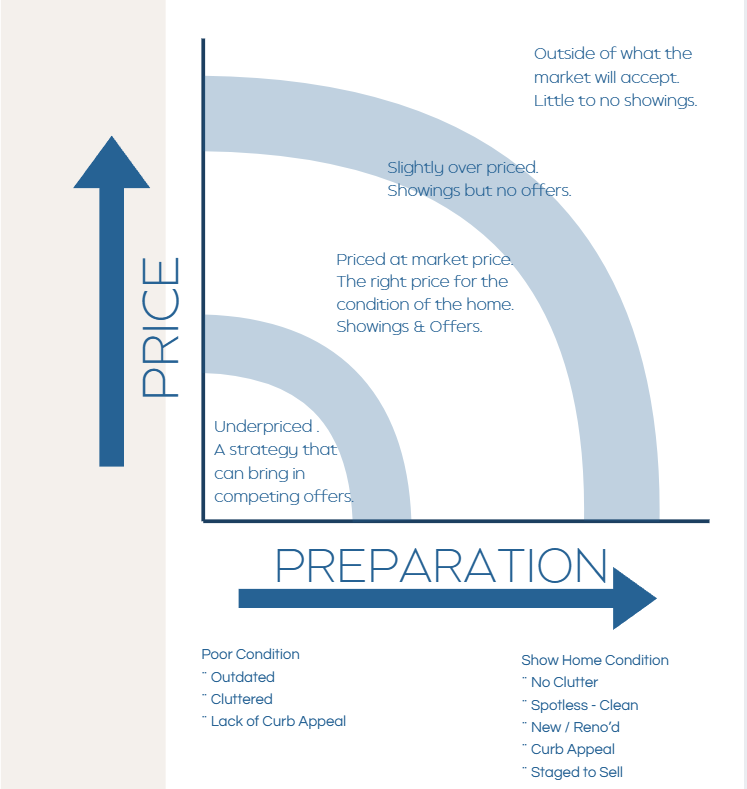
Pricing a home within the boundaries of the market is the most important decisions a seller will make. In markets like Calgary, where conditions can shift quickly between balanced, seller, and buyer markets, strategic pricing is critical.


1. First Impressions Matter

The first 7–20 days on the market generate the most attention. This will be dependent on the current market conditions.
If a home is overpriced:

  • Fewer showings 

  • Online engagement drops

  • Buyers assume there’s “something wrong”

Buyers today are highly informed as market information is readily available to them.


2. Overpricing Costs More Than You Think

Homes priced above market value may result in:

  • Longer days on the market

  • Price reductions to ultimately meet the market value

  • The home selling for less than it would if priced well at the beginning of the listing term.

Price reductions may create a perception of desperation, which could comprimise negotiating position.


3. Proper Pricing Creates Competition

When priced within the boundaries of the market:

  • Showing activity increases

  • Potential buyer urgency rises

  • Potential for multiple offer situation

  • Ultimate sale price may exceed expectations

Strategic pricing can create emotional momentum, and emotion drives real estate decisions.


4. Market Value Is What Buyers Will Pay

A home’s value is not:

  • What the seller needs

  • What was invested in renovations (certain renovations will affect value)

  • What a neighbor sold for last year (market conditions change, homes are unique)

It is what today’s buyers are willing to pay in the current market.

Factors influencing value include:

  • Comparable recent sales

  • Current inventory levels

  • Interest rates

  • Property condition and presentation


5. Time on Market Impacts Final Sale Price

The longer a home is on the market:

  • The more negotiating leverage for the buyer

  • Lower offers than expected can be the result

  • The more the listing can become “stale”

Well-priced homes often sell faster — and statistically for stronger prices.


The Bottom Line

Proper pricing is not about “testing the market.”
It’s about positioning your home strategically within it.

The right price:

✔ Maximizes exposure
✔ Attracts serious buyers
✔ Protects negotiating position
✔ Produces the strongest possible outcome

Looking for a particular lifestyle:

Looking for community info, market stats & schools:

About Chris Marshall  |  Chris Marshall is an Associate Broker and REALTOR with RE/MAX House of Real Estate, serving buyers, sellers, and investors across Calgary and surrounding communities including Okotoks, Airdrie, Cochrane, Chestermere, Langdon, High River, Springbank, Priddis, Bragg Creek, and rural Rocky View, Foothills, and Wheatland Counties. A Certified Condominium Specialist with over 23 years of experience, Chris is committed to honest, client first service. Call 403 585 5362.

Other blogs:

Read

How to Downsize Your Home: A Step-by-Step Guide (Without the Stress)

Downsizing isn’t just about moving into a smaller home — it’s about simplifying your life, freeing up equity, and choosing a space that truly fits the way you live now.

Whether you’re an empty nester, preparing for retirement, or simply ready for less upkeep, here’s a step-by-step guide to downsizing that makes the process manageable and intentional.


Step 1: Get Clear on Why You’re Downsizing

Before touching a single box, clarify your motivation. This will guide every decision.

Common reasons include:

  • Reducing maintenance and costs

  • Freeing up home equity

  • Being closer to family or amenities

  • Eliminating stairs or large yards

  • Simplifying daily life

Tip: Write down your top 3 priorities, they’ll keep you focused when decisions feel emotional.

Get a very clear picture of what you would like this next chapter to look like.


Step 2: Understand Your Financial Picture

Downsizing often improves cash flow, but only if you plan correctly.

Key questions to answer:

  • What is your current home worth in today’s market?

  • How much equity will you have after selling?

  • What price range makes sense for your next home?

  • What monthly costs do you want going forward?

A real estate professional can run scenarios so you understand the numbers before you make a move. Call me, I’m happy to go over the numbers at any time with no obligation, no pressure.


Step 3: Decide Where You Want to Live Next

This step is about lifestyle, not square footage.

Consider:

Pro tip: Drive and walk the neighborhoods at different times of day. The feel matters just as much as the floor plan. Again, have a vision of what you would like the next chapter to look like.


Step 4: Start Decluttering Early (Earlier Than You Think)

This is where most people underestimate the time involved.

Use the 4-pile method:

  1. Keep

  2. Donate

  3. Sell

  4. Let go

Start with:

  • Storage rooms

  • Closets

  • Basements

  • Garages

You don’t need to rush, steady consistent progress beats last-minute stress.  

More declutter tips: How to Declutter Your Home in Quick and Easy Steps A clutter-free home can improve mental clarity, reduce stress, and make daily tasks easier.


Step 5: Measure Before You Move

Downsizing isn’t about bringing everything with you. 

Before committing to a new home:

  • Get floor plans

  • Measure furniture

  • Decide what truly fits your next space

This avoids paying to move furniture you won’t use or that won’t fit.


Step 6: Prepare Your Current Home for Sale

A well-prepared home sells faster and for more.

Focus on:

  • Decluttering to create space

  • Light cosmetic updates (paint, lighting)

  • Minor repairs

  • Professional staging (let’s chat to see if we need to look at this option)

Your goal is to help buyers imagine their future, not see your past.


Step 7: Time the Sale and Purchase Strategically

Coordinating a downsize takes planning.

Options include:

  • Selling first, then buying

  • Buying first, then selling

  • Using a flexible possession date

A professional can help you minimize stress, avoid carrying two homes, and keep your move well-timed.


Step 8: Lean on Professional Support

Downsizing can be very emotional, and that’s completely normal.

The right team can help with:

  • Market timing and pricing

  • Coordinating movers and decluttering services

  • Negotiating favourable terms

  • Keeping the process organized and calm

You don’t have to do this alone.


Step 9: Embrace the Next Chapter

Once you’re settled, most downsizers say the same thing:

“I wish I had done this sooner.”

Less space often means:

  • Less maintenance

  • Lower costs

  • More freedom

  • More time for what matters

Downsizing isn’t about giving things up — it’s about gaining peace of mind.

How to Downsize Your Home: A Step-by-Step Guide (Without the Stress)

Downsizing works best when it’s done thoughtfully, not reactively.

With a clear plan, the right guidance, and time on your side, it can be one of the most rewarding real estate decisions you make.

If you’re considering downsizing and want honest advice, smart planning, and zero pressure, speaking with an experienced local real estate professional can make all the difference. 

How to Downsize Your Home: A Step-by-Step Guide (Without the Stress)


Condominiums

Pros: No exterior maintenance, often include amenities like fitness centers, security, and concierge services.

Consider: Condo fees, bylaws, and potential special assessments. Great for lock-and-leave lifestyle.

Bungalows 

Pros: Single-level living, often with basement space, private yard, and no shared walls.

Consider: Still requires yard maintenance but offers more privacy and space than condos.

Townhomes

Pros: Balance of space and maintenance. Often include garages and small yards with minimal upkeep.

Consider: Shared walls but typically much lower fees than condos. Good compromise option.

Adult Communities (typically 55+)

Pros: Age-restricted with like-minded neighbors, often include clubhouses and organized activities.

Consider: Lifestyle fit and resale considerations. Great for active adult living.

Homes with Suites

Pros: Rental income helps offset costs, maintains larger home feel, option for caregiver or family. Can provide $800-$1,500+ monthly income.

Consider: Landlord responsibilities, tenant management, and ensuring suite meets requirements for safety and permits.

Small towns near Calgary

Pros: Lower cost of living, quieter pace, strong community feel, often better value for money. Towns like Okotoks, Priddis, and Langdon offer small-town charm with city access.

Consider: Distance from healthcare and amenities, winter driving, and potential isolation from family/friends.

Other blogs:

Read

Do Golf Simulators Add Value to your Calgary home?

Perceived Value + Appeal

  • In higher-end homes or with golf-enthusiast buyers, a well-designed, integrated simulator can boost perceived home value, often quoted by real estate and design sources at $30,000–$75,000+ in added perceived value when done well. At a cost from $30,000 - $175,000. DIY cost for less than $5,000.

  • They make your home stand out from competition, especially in markets where buyers are looking for unique lifestyle amenities.

Not a Guaranteed Price Increase

  • Unlike traditional upgrades (e.g., kitchens or baths), a simulator won’t automatically raise the official appraised value or increase resale price dollar-for-dollar for all buyers.

  • Some buyers may view a dedicated golf room as niche or too specialized, potentially narrowing the buyer pool rather than broadening it.


When a Simulator Does Add Value

If it is professionally integrated into the home

  • The simulator room looks like part of the home’s architectural design, not an afterthought.

  • Ceiling height, lighting, ventilation, and finishes match the home’s style.

  • The home has the extra room for it.

If the simulator serves multiple functions

  • Bonus room, media space, fitness room, or entertainment space (not just golf).

  • This versatility appeals to a broader range of buyers.

In mid+/luxury price segments

  • Buyers at higher price points often expect extra lifestyle features (home gyms, theaters, etc.).


When It Might Not Add Value

Niche appeal

  • Some buyers may not care about golf or prefer open, flexible floor plans rather than a dedicated simulator room.

Poor execution

  • A cheap projector hanging from a basement beam looks like a hobby setup, not a value-adding renovation.

  • A simulator smack in the middle of the home.

  • Low ceilings, cluttered spaces, or box-like rooms make it feel like a useful but disposable feature.


How Realtors Think About It

Real estate professionals generally see golf simulators similarly to:

  • Home theaters

  • Wine cellars

  • Home gyms

These are features that enhance lifestyle appeal and can make your home more attractive — especially to certain buyers — but they don’t have consistent, measurable ROI like kitchens or bathrooms.


Summary: Value Drivers in Calgary

FactorValue Impact
Custom interior design & finishes👍 High
Multi-purpose room (not just golf)👍 High
Luxury market segment👍 Moderate–High
Niche buyers (golf fans)👍 Moderate
Basic / DIY setup👎 Low–None

Bottom line:
A golf simulator can increase perceived value and buyer interest in higher-value Calgary homes but it’s not a guaranteed resale price booster on its own. It works best when integrated as part of a high-quality, multi-purpose lifestyle space that broadens buyer appeal rather than restricting it.


Tips to Maximize Value If You’re Installing One

✔️ Choose a dedicated, finished space (e.g., basement or bonus room)
✔️ Ensure good ceiling height, quality equipment and lighting, design matters for resale appeal.
✔️ Combine it with other features (media area, gym, lounge)
✔️ Keep it visually cohesive with the rest of the home rather than a stark add-on.

If you are curious about a DIY golf simulator set up, I have opinions I’d love to swing by and let you know what I think. 

Looking for a professional installation in Calgary: SML Entertainment is proud to offer the best Golf Simulator experience with Full Swing Simulators. Check out their location at 6307 Centre Street S, Calgary, AB. (4 locations in Alberta).

Looking for a particular lifestyle:

Looking for community info, market stats & schools:

About Chris Marshall  |  Chris Marshall is an Associate Broker and REALTOR with RE/MAX House of Real Estate, serving buyers, sellers, and investors across Calgary and surrounding communities including Okotoks, Airdrie, Cochrane, Chestermere, Langdon, High River, Springbank, Priddis, Bragg Creek, and rural Rocky View, Foothills, and Wheatland Counties. A Certified Condominium Specialist with over 23 years of experience, Chris is committed to honest, client first service. Call 403 585 5362.

Other blogs:


Read

Outdoor Skating Calgary

The city of Calgary has several skating locations that are nicely maintained for leisure skating. 2020 brought two skating trails as a trial, and they have been maintained ever since (at Bowness and North Glenmore Park).  In addition to these parks, most communities in Calgary maintain an outdoor skating rink. Many have both a rink with boards as well as a small leisure skate area.

Outdoor rinks may open or close on short notice, it is best to check current ice status before you head out.

Big Marlborough Park

Skating rink.  Address: 6033 Madigan Dr. N.E.

Skating hours: 5 a.m. - 11 p.m. daily

Bowness Park

Enjoy free outdoor skating on the frozen lagoon and the scenic ice trail along the Bow River in Bowness Park, one of Calgary’s most beloved winter skating destinations. Crokicurl also available at this location.

Lagoon and ice trail.  Address: 8900 48 Ave. N.W.

Skating hours: 5 a.m. - 11 p.m. daily

Rentals: available; skates, ice bikes, helmets (rental availability may differ from skating hours)

Prince’s Island Park Lagoon

Downtown outdoor skate space on the Bow River, perfect for combination skating and exploring the park. Skate a full 1km loop. Fire pits.

Address: 4 St. and 1 Ave. S.W. (or 698 Eau Claire Ave SW)

Skating hours: 5 a.m. - 11 p.m. daily

Carburn Park

Skating pond with a fire pit and picnic benches. Public bathrooms.

Address: 67 Riverview Dr. S.E.

Skating hours: 11 a.m. - 10 p.m. daily

North Glenmore Park 

Ice trail 750 meter and skating rink (small square in the middle of the skating loop). Crokicurl also available at this location. Fire pits. Pretty lights around the skating trail for evening skating. Public bathrooms. Hot chocolate!

Address: 7305 Crowchild Tr. S.W. 

Drive into the park, all the way to the West end. Several parking lot locations around the loop. 

Skating hours:  11 a.m. - 10 p.m. daily

Olympic Plaza  CLOSED FOR CONSTRUCTION!

Skating rink. Address: 228 8 Ave. S.E.

Skating hours: 10 a.m. - 9 p.m. daily

Prairie Winds Park

Skating rink.  Two rinks (pleasure skating and ice hockey).

Address: 223 Castleridge Blvd. N.E.

Skating hours: 5 a.m. - 11 p.m. daily

Thomson Family Park

Smaller ice rink, it is a place to skate inner-city in the Beltline neighbourhood

Skating rink.  Address: 1236 16 Ave. S.W.

Skating hours: 5 a.m. - 11 p.m. daily

University District Central Commons Park

A large open refrigerated outdoor ice rink with nearby fire pits and convenient amenities.

Address: 4019 University Avenue NW

Skating hours: 8 a.m. - 10 p.m. daily (skate rentals some days, evening hours – check before you go)

Rentals: skates, helmets (rental availability may differ from skating hours)

sticks/pucks are not allowed

Leisure skating rinks:

The City of Calgary has over 50 adopted pleasure skating rinks which volunteers help flood and maintain throughout Calgary. Check out this list of locations. 

Map made by Ron Ron's Studio Dec 2024 (ronronsstudio.ca): 

Looking for a particular lifestyle:

Looking for community info, market stats & schools:

About Chris Marshall  |  Chris Marshall is an Associate Broker and REALTOR with RE/MAX House of Real Estate, serving buyers, sellers, and investors across Calgary and surrounding communities including Okotoks, Airdrie, Cochrane, Chestermere, Langdon, High River, Springbank, Priddis, Bragg Creek, and rural Rocky View, Foothills, and Wheatland Counties. A Certified Condominium Specialist with over 23 years of experience, Chris is committed to honest, client first service. Call 403 585 5362.

More fun blogs:

Best Hidden Gem Picnic Spots in Calgary

What is Calgary Famous for

MINI GOLF IN AND AROUND CALGARY

Calgary's Best Hidden Gem Neighbourhoods in 2026 | Local's Guide to Underrated Communities

19 of the Best Paddle Board Locations Near Calgary (Updated for 2026)

Calgary Lake Communities: Your Guide to Waterfront Living

Sun vs. Grey: The Top 6 Sunniest and Least Sunny Cities in Canada

Moving to Calgary? 16 Things You Should Know Before You Arrive

Dive In! The Best Swimmable Lakes Near Calgary for Summer Fun

Par3 and Executive GOLF IN AND AROUND CALGARY

Best Coffee Shops in Calgary: Local Cafés Worth Seeking Out

Read

What Do I Need to Do to Get My House Ready to Sell?

Getting your home ready to sell doesn’t have to be overwhelming—but it does need to be intentional. The goal is simple: make your home appealing to the widest number of buyers while maximizing your sale price.

Whether you’re selling in a hot market or a balanced one, these steps will help you prepare your home to stand out and sell with confidence.


1. Start With a Pre-Sale Plan

Before cleaning or decluttering, get clarity.

Ask yourself:

  • When do I want to sell?

  • What is my ideal timeline?

  • What budget do I have for preparation?

A local real estate agent can help you prioritize what actually matters for your specific market, so you don’t waste money or time. I’m happy to get together and discuss priorities with no pressure or commitment.


2. Declutter Ruthlessly (Buyers Want Space)

Clutter makes rooms feel smaller and distracts buyers from the home itself.

Focus on:

Rule of thumb: If you don’t use it daily, weekly, or monthly; pack it away in storage or donate it.

Less stuff = more perceived space.


3. Deep Clean Everything

A clean home signals that the property has been well cared for.

Pay special attention to:

  • Baseboards and trim

  • Windows (inside and out)

  • Bathrooms and kitchens

  • Floors and carpets

If possible, hire professional cleaners, it is one of the best returns on investment when selling.


4. Make Minor Repairs (Fix What Buyers Notice)

Small issues can raise red flags for buyers.

Fix:

  • Leaky faucets

  • Squeaky doors

  • Loose handles

  • Burnt-out light bulbs (making sure that the color of the light bulbs are consistent, warmer is better)

  • Cracked tiles or chipped paint

  • If the walls / cabinets are in need of a paint, this can be a little more money, however the return is worth it.

These low-cost fixes help prevent buyers from thinking that the home is not well cared for.


5. Neutralize and Freshen Up

Buyers want to imagine themselves living in your home.

Consider:

  • Repainting bold walls in light, neutral tones

  • Removing personal photos and collections

  • Simplifying décor

Neutral spaces photograph better and appeal to more buyers.


6. Maximize Curb Appeal (First Impressions Matter)

Buyers form opinions within seconds.

Boost curb appeal by:

  • Cutting the lawn and trimming shrubs

  • Removing all clutter from the yard

  • Power washing walkways and siding

  • Adding fresh mulch and/or potted plants

  • Ensuring the front door and windows are clean and welcoming

  • Make sure it looks tidy and well kept

A great exterior sets the tone for the entire showing.


7. Stage for Flow and Function

You don’t necessarily need full professional staging (it does make a difference though).

Strategic styling helps:

  • Rearrange furniture to create clear walkways

  • Remove oversized or extra pieces

  • Highlight natural light

  • Add cozy but minimal touches (throw pillows, plants)

The goal is to make each room feel open, functional, and inviting.


8. Organize Storage Areas

Storage sells.

Buyers look inside:

  • Closets

  • Pantries

  • Laundry rooms

  • Garages

Keep these areas:

  • Clean

  • Organized

  • No more than 70% full

This creates the impression of abundant storage.


9. Prepare for Professional Photos

Photos are often a buyer’s first showing.

Before photography:

  • Turn on all lights

  • Remove vehicles from driveway

  • Hide garbage bins

  • Make beds and clear counters

  • Open blinds and curtains

Professional photos can dramatically increase online interest and showings.


10. Work With a Realtor Early

The best prep starts before the “For Sale” sign goes up.

A local realtor can:

  • Recommend which updates matter most

  • Help you avoid over-improving

  • Create a preparation timeline (checklist)

  • Price your home within the boundaries of the market

  • advise if you need to get your RPR (real property report) ordered or updated

The right strategy can mean more money and fewer days on market.


Getting your house ready to sell is about creating a home buyers can fall in love with, without overthinking or overspending. Call me, I am happy to come by and talk. 403-585-5362 Chris.

How to get my home ready to sell

Looking for Community market stats, information, schools…

Southwest Calgary Communities

Southeast Calgary Communities

Central Calgary Communities

West Calgary Communities

Northwest Calgary Homes

Other Blogs:

Read

10 Tasks to Do Now If You Plan to Buy a Home

Buying a home doesn’t start with house hunting, it starts with preparation. Taking the right steps before you begin can save you time, money, and stress later. If buying a home is on your horizon, here are 10 smart tasks to do now to set yourself up for success.


1. Check Your Credit Score

Your credit score plays a big role in the mortgage rate you’ll qualify for. Review your credit report early so you have time to correct errors and improve your score if needed.

Action Step: Pull your credit report and pay down high balances.


2. Create a Realistic Budget

Understand what you can comfortably afford, not just what a lender may approve.

Action Step: Factor in mortgage payments, property taxes, insurance, utilities, maintenance, and lifestyle expenses.


3. Start Saving for a Down Payment

The more you save, the more options you’ll have.

Action Step: Set up an automatic savings transfer dedicated to your home fund. First time home buyer: check out the Tax-Free Saving account (FHSA). $8,000 per year can be deducted from yearly income for tax purposes (as of 2026, check for updated amounts with your bank).


4. Build an Emergency Fund

Homeownership comes with surprises: repairs, maintenance, and unexpected costs.

Action Step: Aim for 3–6 months of living expenses in a separate account.


5. Get Pre-Approved for a Mortgage

Pre-approval strengthens your buying power and shows sellers you’re serious.

Action Step: Speak with a lender to understand your loan options and price range.


6. Avoid Major Financial Changes

Big purchases or job changes can affect your mortgage approval.

Action Step: Hold off on new credit cards, car loans, or career changes until after closing.


7. Research Neighborhoods and Home Types

Not all homes/locations are a fit for every lifestyle. Parks and recreation. Shopping convenience or acreage lifestyle. Single family vs townhome vs condo.

Action Step: Explore commute times, schools, amenities, resale value, and long-term needs. Create a checklist of your wants and needs we can talk about what areas fit your wants and needs the best. 

Browse listings and neighbourhoods:

Or by area:


8. Declutter and Organize Your Current Space

Downsizing or preparing for a move is easier when you start early.

Action Step: Begin decluttering one room at a time to simplify your future move. First time buyers start collecting household items, label bins clearly to track what you have and what you will need.


9. Learn the True Costs of Homeownership

Owning a home is more than the purchase price.

Action Step: Budget for inspections, closing costs, maintenance, and ongoing repairs.


10. Assemble Your Home-Buying Team

The right professionals make all the difference.

Action Step: Research and connect with a trusted real estate agent and mortgage broker.


Preparation is power. By tackling these tasks early, you’ll be confident, informed, and ready when the right home comes along. I am here to help you through the process, give me a call/text at any point for a no pressure conversation. Chris Marshall 403-585-5362

Looking for Community market stats, information, schools…

Southwest Calgary Communities

Southeast Calgary Communities

Central Calgary Communities

West Calgary Communities

Northwest Calgary Homes

Looking for a particular lifestyle:

Other Blogs:

Read
Data is supplied by Pillar 9™ MLS® System. Pillar 9™ is the owner of the copyright in its MLS®System. Data is deemed reliable but is not guaranteed accurate by Pillar 9™.
The trademarks MLS®, Multiple Listing Service® and the associated logos are owned by The Canadian Real Estate Association (CREA) and identify the quality of services provided by real estate professionals who are members of CREA. Used under license.